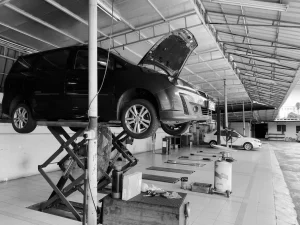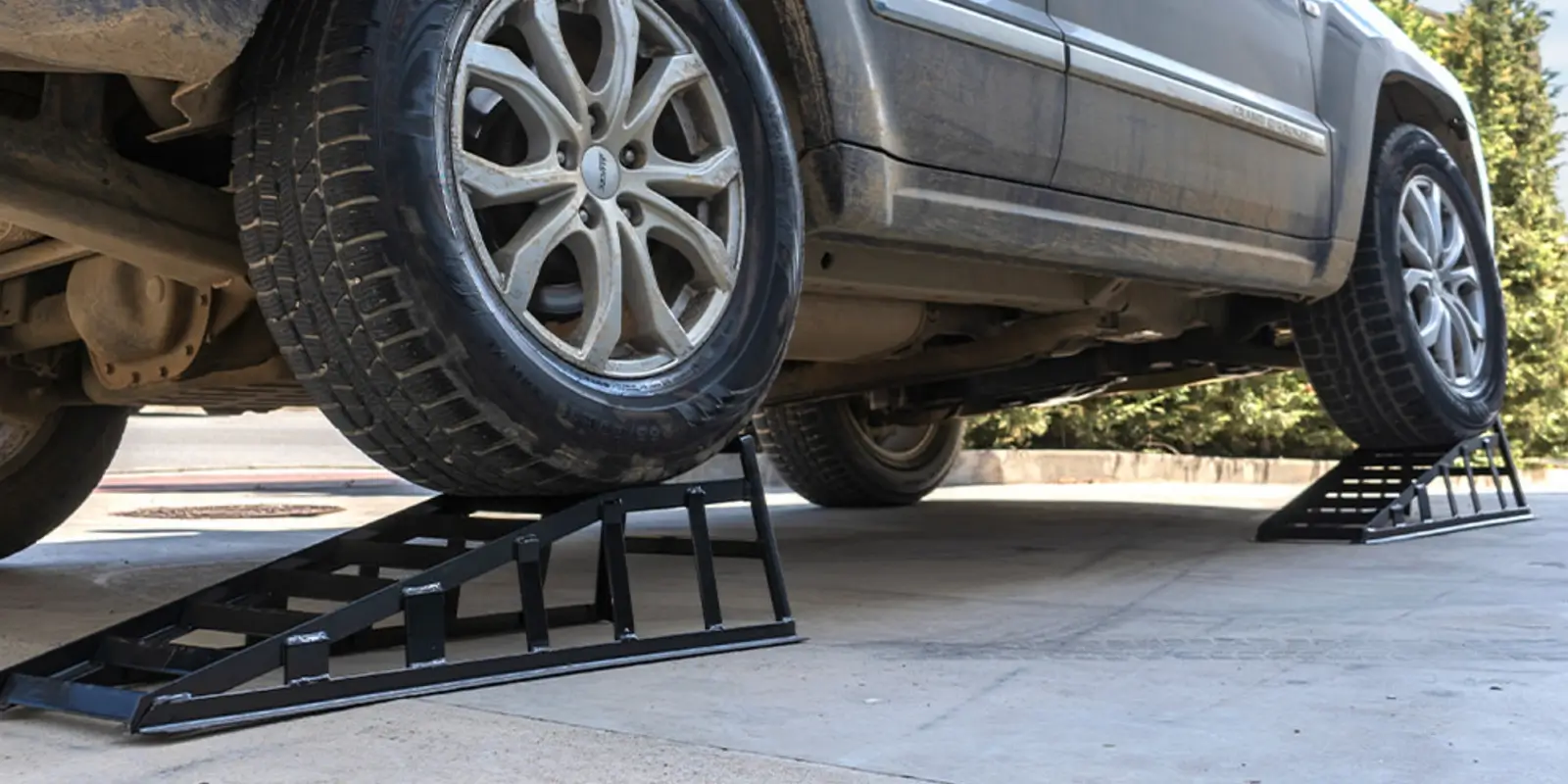
Car ramps serve as a common solution for gaining access to a vehicle’s underbody. In my years of working with various automobiles, I’ve encountered a range of experiences that highlight both the utility and the limitations of these tools. While they can provide a straightforward way to elevate a vehicle for maintenance tasks, several factors can complicate their use.
One of the first observations is the importance of ramp selection. Many ramps on the market vary significantly in terms of material and incline. Plastic ramps, while lightweight and easy to store, can struggle under the weight of larger vehicles, especially pickups and vans. I’ve seen instances where these ramps have cracked or even collapsed under load, leading to potential injury and vehicle damage. Metal ramps tend to offer more strength, but they can be cumbersome and require careful handling to avoid slipping.
Load Distribution and Ramp Stability
When using ramps, the way a vehicle’s weight is distributed plays a crucial role in stability. A heavy front end can cause the ramp to tilt or slide, especially if the vehicle is not perfectly aligned. This is particularly true for front-wheel drive vehicles, where the weight shifts forward. Ensuring that the vehicle is centered on the ramp is essential, yet in practice, this often becomes a challenge. Even minor misalignments can lead to the vehicle rolling back or the ramp shifting, which can result in serious accidents.
Another aspect often overlooked is the surface on which the ramps are placed. A soft or uneven surface can compromise stability. I’ve seen ramps sink into gravel or grass, causing the vehicle to settle awkwardly. This not only makes it difficult to work on the vehicle but also increases the risk of slipping or tipping. Ideally, ramps should be used on a solid, flat surface to mitigate these risks.
Maintenance and Long-Term Use
Wear and tear on ramps can also lead to issues over time. The rubber feet or pads designed to grip the ground can degrade, losing their effectiveness. Regular inspections are necessary to ensure that ramps remain safe to use. A ramp with worn-out pads can slide easily, negating the very purpose of their design. I’ve noticed that many users neglect this aspect, leading to potentially hazardous situations.
In terms of vehicle maintenance, ramps can facilitate tasks like oil changes or exhaust work, but they are not a one-size-fits-all solution. For example, vehicles with low ground clearance may struggle to drive onto ramps, leading to frustration. In these cases, a low-profile jack might be a more suitable option. However, jacks come with their own set of safety considerations that require careful attention.
While car ramps can be a valuable tool in automotive maintenance, their effectiveness is heavily influenced by the type, condition, and environment of use. Observing these factors can help mitigate risks and enhance the overall maintenance experience. In the end, familiarity with both the ramps and the vehicle is key to ensuring safety and efficiency.