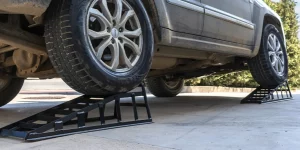
Car jacks are an essential tool for anyone working on vehicles, whether for routine maintenance or emergency repairs. Over the years, I’ve encountered a variety of issues with these devices, many of which seem to arise under similar circumstances. Understanding these problems can help in choosing the right jack and using it safely.
One common issue is hydraulic failure, particularly in the bottle jacks and floor jacks that rely on hydraulic fluid to lift heavy loads. A jack that has been subjected to extreme heat, such as during prolonged use or storage in a hot environment, can develop leaks or internal seal failures. This often manifests as a loss of lifting power, where the jack refuses to hold the weight once lifted. In some cases, the hydraulic fluid may simply evaporate or become contaminated, further degrading performance.
Another frequent observation involves the stability of the jack. Many users overlook the importance of a flat, stable surface for operation. When a jack is used on uneven ground or soft surfaces, it can tip or sink, leading to dangerous situations. A jack that is not securely positioned can collapse unexpectedly, causing injury or damage. It’s crucial to ensure that the vehicle is on a level surface, and that the jack is properly positioned before attempting any lifting.
Wear and Tear Concerns
Over time, the components of a jack can experience wear, particularly the wheels or casters on floor jacks. If these become damaged or worn down, maneuverability can suffer, making it difficult to position the jack where needed. Additionally, the lifting arm or the release mechanism can also wear out, leading to inconsistent lifting and lowering. These issues often go unnoticed until a critical moment, when the jack fails to perform as expected.
In my experience, the type of jack also plays a role in reliability. Lightweight aluminum jacks are convenient and easier to handle, but they may not withstand heavy loads as well as their heavier steel counterparts. Conversely, steel jacks tend to be more durable but can be cumbersome. Users often need to weigh the convenience of portability against the jack’s load capacity and longevity.
Inspection and Maintenance
Regular inspection of a jack can prevent many of these issues. Checking for signs of hydraulic fluid leaks, rust, or physical damage should be part of any maintenance routine. It is also beneficial to store jacks in a cool, dry place to minimize the risk of hydraulic fluid degradation. Though it may seem minor, keeping the jack clean can also help maintain its functionality. Dirt and grime can interfere with moving parts and seals, leading to premature failure.
While many symptoms of jack failure may appear harmless at first glance, they can indicate deeper underlying issues that may compromise safety. A jack that functions erratically or fails to lift a vehicle properly should be taken out of service until it can be inspected or replaced. The cost of ignoring these warning signs can be significant, not just in terms of repair expenses but also regarding personal safety.
In summary, car jacks are invaluable tools, yet they require attention and care to function effectively. The conditions in which they are used and stored can significantly impact their reliability and longevity. Awareness of these common issues can lead to safer and more efficient vehicle maintenance practices.