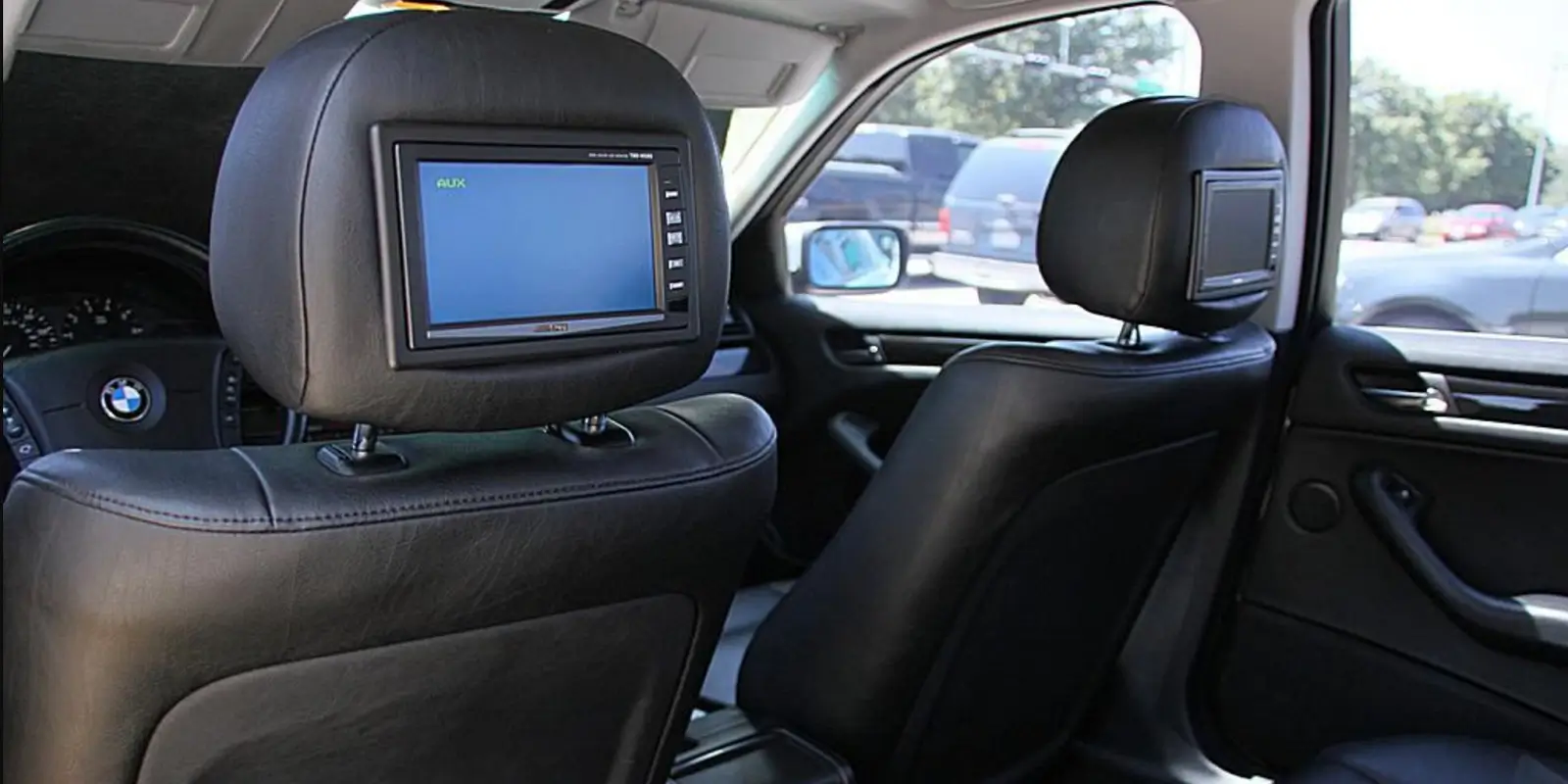
Car DVD players have become a staple in many vehicles, especially in family-oriented models and commercial fleets where entertainment can ease long drives. However, they are not without their quirks and challenges, which I have observed over the years in various vehicles. The issues often arise from a combination of environmental factors, user habits, and the inherent limitations of the technology.
One of the most frequent problems is related to heat. Car interiors can reach high temperatures, particularly in summer months or when parked in direct sunlight. This heat can lead to malfunctions in the DVD player’s internal components. For instance, the laser that reads the disc may become misaligned or the motor that spins the disc may falter. Such failures often manifest as skipping, freezing, or the player failing to recognize the disc altogether. It’s not uncommon to see this issue occur shortly after the vehicle has been parked in the sun for an extended period.
Another recurring problem involves the physical media itself. DVDs can be prone to scratches, smudges, or warping, particularly if they are not stored properly. In vehicles, where vibrations and movement are constant, a disc that may have been fine at home can suddenly become problematic. Users often overlook the condition of their discs, assuming the player is at fault when, in reality, the issue could be as simple as a dirty or damaged disc.
Electrical and Connectivity Issues
Electrical connections are another area where I have seen numerous failures. The wiring harnesses connecting the DVD player to the vehicle’s power source can become loose or corroded over time. This is particularly true in older vehicles or those that have been exposed to moisture. Symptoms often include intermittent power loss or the player shutting down unexpectedly. In some cases, a simple reconnection of the harness can resolve the issue, but in others, deeper electrical diagnostics may be necessary.
Moreover, integration with other vehicle systems – like the audio system or screens – can pose additional challenges. Compatibility issues can arise when aftermarket DVD players are installed in vehicles designed for factory systems. These can lead to problems such as poor sound quality, lack of control from the main interface, or even complete system failures. It’s essential to ensure that any replacement or aftermarket installation is compatible with the existing vehicle architecture.
Maintenance and User Habits
Maintenance often gets overlooked. Dust and debris can accumulate within the player, especially if it is located in a position prone to dirt ingress. Periodic cleaning can help maintain performance. Additionally, user habits play a significant role. For example, removing discs without properly ejecting them can lead to mechanical failures. I’ve seen players that have been forced to eject a disc get jammed, resulting in costly repairs or replacements.
While many of these issues can be frustrating, they are often not indicative of a deeper problem within the vehicle. However, persistent failures or multiple simultaneous issues may warrant a more thorough inspection, as they could signal underlying electrical or mechanical problems that could affect other systems in the vehicle.
In summary, while car DVD players can enhance the driving experience, they come with their own set of challenges. Understanding these common issues can help in troubleshooting and maintaining the system, ensuring it remains a reliable source of entertainment on the road.