Auto glass cleaners are a staple in vehicle maintenance, yet they often present challenges that can be overlooked until they become problematic. In my years spent working on a variety of passenger cars and commercial vehicles, I’ve observed how these products interact with different surfaces, and the implications of their use in real-world scenarios.
One of the most frequent issues arises from the formulation of certain cleaners. Many contain ammonia, which can be effective at cutting through grime and road film. However, prolonged exposure to ammonia can damage window tinting films, leading to peeling or bubbling. This is particularly relevant in vehicles where the rear windows are tinted. The heat generated inside a parked car can exacerbate the effects of ammonia, making it critical to choose a cleaner that is compatible with tinted surfaces.
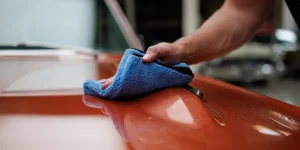
Another common problem is streaking, which often occurs when auto glass cleaners are applied improperly. This can happen when using too much product or failing to use the right cleaning cloth. Microfiber towels tend to be the most effective, as they lift dirt without scratching the glass. I’ve seen vehicles where owners have resorted to paper towels, only to find that they leave behind fibers or streaks, which can be frustrating and counterproductive.
Temperature and weather conditions also play a significant role in the effectiveness of glass cleaner. In colder climates, the cleaner may freeze on the glass, making it difficult to wipe away. Conversely, in hotter environments, the cleaner can evaporate too quickly, leaving behind residue. This variability means that what works well in one season may not in another, requiring vehicle owners to adapt their cleaning methods accordingly.
Environmental Considerations
Environmental factors also affect the choice of glass cleaner. For example, vehicles that frequently travel through industrial areas may accumulate specific pollutants that require a stronger formulation. In these cases, a standard cleaner may not suffice, necessitating a more robust solution. However, it’s essential to consider the potential chemical interactions these stronger cleaners may have with the vehicle’s surfaces, as some can degrade rubber seals or paint finishes over time.
Long-Term Effects
Over time, the use of certain auto glass cleaners can lead to a build-up of residues, which can be particularly problematic for sensors embedded in windshields. Many modern vehicles now come equipped with advanced driver-assistance systems that rely on clear visibility through the glass. A layer of residue can interfere with these systems, potentially leading to malfunctions or reduced effectiveness. It’s an aspect often overlooked until a warning light appears, prompting further investigation.
While auto glass cleaners are generally safe for routine use, their application requires careful consideration of the vehicle’s specific materials and conditions. Being mindful of the product selection and application methods can prevent minor inconveniences from escalating into more significant issues. The balance between maintaining clarity and protecting the vehicle’s surfaces is crucial for long-term vehicle care.