Fuel injectors are critical components in modern internal combustion engines, playing a vital role in delivering the right amount of fuel to the combustion chamber for optimal performance. Over the years, I’ve encountered various issues related to fuel injectors, and the need for replacement has arisen in many vehicles. Understanding the factors that influence the cost of replacing these injectors can provide valuable context for vehicle owners and enthusiasts alike.
Fuel injectors can fail for a variety of reasons. One common scenario occurs due to the build-up of carbon deposits or varnish from fuel degradation. This is particularly prevalent in vehicles that frequently operate under heavy loads or in stop-and-go traffic, where the engine is subjected to varying temperatures and conditions. In these situations, injectors can become clogged, leading to poor engine performance, reduced fuel efficiency, and increased emissions.
Another situation that often leads to injector failure is electrical issues. Fuel injectors are electronically controlled, and any faults in the wiring harness or the injector itself can lead to erratic behavior. For example, a short circuit or a break in the wire can cause the injector to fail to open or close properly, resulting in a lean or rich fuel mixture. This not only affects engine performance but can also trigger diagnostic trouble codes (DTCs), which complicates the overall assessment of the vehicle’s health.
Cost Factors in Fuel Injector Replacement
When it comes to the cost of replacing fuel injectors, several key factors come into play. The first is the type of vehicle. Luxury vehicles or those with advanced engine management systems often feature more complex injector setups, leading to higher labor costs and part prices. Conversely, older models or standard passenger vehicles may have more straightforward designs, which can reduce both the parts and labor costs associated with injector replacement.
Labor costs vary significantly depending on the shop’s location and the technician’s expertise. In metropolitan areas, labor rates can be substantially higher than in rural locations. Additionally, the time required to access the injectors can differ based on engine design. For instance, replacing injectors on a V6 engine may necessitate removing the intake manifold, while on a four-cylinder engine, the process may be more straightforward.
Parts costs also fluctuate based on the injector type. Standard port fuel injectors are generally less expensive than direct injectors, which are becoming increasingly common in newer vehicles due to their efficiency. It’s essential to consider whether to opt for original equipment manufacturer (OEM) parts or aftermarket alternatives. OEM injectors typically come with a higher price tag but often provide better reliability and compatibility with the vehicle’s systems.
Symptoms Indicating Injector Problems
Identifying the symptoms of failing fuel injectors can be straightforward, though it often requires a keen eye and experience. A common early warning sign is a noticeable drop in fuel efficiency. If a vehicle that typically achieves a certain miles-per-gallon suddenly begins to consume more fuel without any changes in driving habits, it may indicate injector issues.
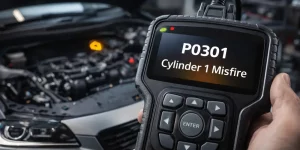
Another symptom is engine misfires, which can manifest as rough idling or stalling. Misfires occur when one or more cylinders do not receive the correct amount of fuel, leading to incomplete combustion. This not only affects engine performance but can also cause long-term damage if left unaddressed. In my experience, addressing injector problems early can prevent more severe issues, such as damage to the catalytic converter, which can be significantly more costly to repair.
Additionally, a check engine light is often triggered by fuel injector issues. While this light can indicate a multitude of problems, codes related to fuel trim or misfires frequently point towards injector malfunction. Utilizing an OBD-II scanner can provide valuable insight into the specific codes, helping to narrow down the source of the issue.
Real-World Observations and Edge Cases
In my years of working on various makes and models, I’ve observed that fuel injectors often fail in clusters, especially in vehicles that have high mileage or those that have been poorly maintained. For example, if one injector fails due to clogging or electrical failure, it is not uncommon for nearby injectors to follow suit shortly after. This can lead to a situation where a vehicle owner replaces one injector only to find that others are also failing soon after. Regular maintenance practices, such as using quality fuel and periodic injector cleaning, can mitigate these risks.
Environmental conditions also play a role in injector longevity. Vehicles that operate in extreme temperatures – either very hot or very cold – tend to experience more frequent injector issues. In cold climates, fuel can gel, leading to clogs. Conversely, high heat can exacerbate varnish formation within the injectors, further leading to performance issues. It’s an often-overlooked detail that can significantly impact the lifespan of these components.
Another edge case worth mentioning involves the use of fuel additives. While some additives can help clean injectors and improve performance, not all products are created equal. Some may cause more harm than good, leading to further deposits or even damaging the injectors. In my experience, it’s advisable to approach fuel additives with caution and to stick with reputable brands that have a proven track record.
Long-Term Considerations
Replacing fuel injectors is often seen as a necessary maintenance task, but it can also be an opportunity to assess the overall health of the fuel system. When replacing injectors, it’s worth considering the condition of the fuel pump and fuel filter. A failing fuel pump can lead to inadequate fuel pressure, which can affect new injectors’ performance, while a clogged fuel filter can lead to similar issues as those caused by dirty injectors.
Moreover, the fuel system’s overall cleanliness should be evaluated. If injectors are being replaced due to clogging, it may be beneficial to perform a thorough cleaning of the entire fuel system. This can help prevent future failures and ensure that the new injectors operate efficiently.
Ultimately, fuel injectors are a critical aspect of engine performance. Understanding the factors that contribute to their failure, the associated costs of replacement, and the symptoms of impending issues can help vehicle owners make informed decisions. While injector replacement may seem like a straightforward task, the nuances involved in the process underscore the importance of a comprehensive approach to vehicle maintenance.
As I’ve learned through experience, addressing fuel injector issues promptly can save vehicle owners from more significant problems down the road. The complexities of modern fuel systems require a careful balance of knowledge, observation, and proactive maintenance to ensure longevity and performance.