In the realm of modern automotive engineering, the knock sensor plays a pivotal role in optimizing engine performance and protecting against potential damage. This small yet significant component monitors engine vibrations and detects abnormal combustion, commonly referred to as knocking or pinging. The sensor’s primary function is to relay critical information to the engine control unit (ECU), enabling it to adjust parameters such as ignition timing and fuel mixture to maintain optimal engine efficiency. However, despite their importance, knock sensors can encounter various challenges that may compromise their effectiveness.
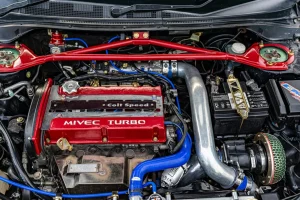
Knock sensors are typically mounted on the engine block or cylinder head, designed to pick up vibrations generated by knocking. These vibrations occur when the air-fuel mixture ignites prematurely, causing a shockwave that the sensor detects. When functioning correctly, the ECU uses this data to make real-time adjustments to ignition timing, which can significantly enhance both performance and fuel efficiency. However, when the sensor malfunctions or fails, it can lead to a range of symptoms that may affect engine operation.
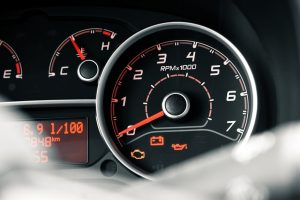
One of the most common signs of a failing knock sensor is engine performance degradation. Drivers may notice a drop in power, increased fuel consumption, or unusual engine noises. In some cases, the ECU may trigger a check engine light, indicating that it has detected an issue with the sensor or the knocking conditions. It’s worth noting that while a faulty knock sensor can lead to performance issues, it is not always the sole culprit. Other factors, such as improper fuel quality or engine wear, can also contribute to knocking, complicating diagnosis.
Common Causes of Knock Sensor Failure
Understanding why knock sensors fail can help in diagnosing related issues. One frequent cause is exposure to extreme temperatures. Knock sensors operate under high heat and pressure, conditions commonly found in engine bays. Over time, the materials used in the sensor can degrade, leading to failure. Vibration is another significant factor; as vehicles age, components can loosen or become misaligned, subjecting sensors to additional stress. Furthermore, contamination from oil leaks, coolant, or debris can impede the sensor’s ability to function correctly.
Another critical aspect to consider is the electrical connections associated with knock sensors. Corrosion at connectors or damaged wiring can disrupt the signal sent to the ECU. This is often overlooked during routine inspections, yet it can lead to intermittent issues that are difficult to diagnose. In my experience, it is not uncommon for technicians to replace the knock sensor only to find that the real issue lay within the wiring harness or connector integrity.
Symptoms of Knock Sensor Issues
When a knock sensor begins to fail, the symptoms can manifest in various ways. Engine knock, if audible, is a clear indicator that something is amiss. This sound often resembles a metallic pinging or knocking noise during acceleration, particularly under load. Additionally, a noticeable decrease in fuel economy may occur. This is due to the ECU compensating for perceived knocking by enriching the air-fuel mixture or retarding ignition timing, both of which can lead to inefficiencies.
Another symptom often linked to knock sensor problems is engine misfires. If the ECU is unable to accurately detect knocking, it may inadvertently adjust the timing inappropriately, leading to incomplete combustion. This can result in rough idling or hesitation during acceleration. In some vehicles, the check engine light will illuminate, accompanied by diagnostic trouble codes (DTCs) that can indicate knock sensor performance issues.
Real-World Observations and Edge Cases
Several real-world scenarios highlight the complexities surrounding knock sensor diagnostics. For instance, in high-performance vehicles, modifications such as aftermarket exhaust systems or changes to the engine’s intake can alter the dynamics of combustion, potentially leading to false knock readings. In these cases, the knock sensor may be functioning correctly, but the engine’s operating environment has changed, resulting in performance issues that can be misattributed to the sensor itself.
Another observation involves the use of lower-quality fuels. While modern engines are designed to accommodate various fuel types, the presence of contaminants or inconsistent octane ratings can exacerbate knocking. In such instances, the knock sensor may detect legitimate knocking conditions, prompting the ECU to adjust parameters in a way that can impact performance, even if the sensor is not defective.
In vehicles with higher mileage, the mechanical condition of the engine can also play a crucial role. Worn components, such as piston rings or valve seats, can lead to increased engine noise and vibration, which may confuse the knock sensor. Thus, while the sensor may be operational, the underlying engine condition may mask or mimic symptoms that lead to unnecessary replacements or repairs.
Addressing Knock Sensor Issues
When diagnosing knock sensor-related problems, a comprehensive approach is essential. Start by checking for diagnostic trouble codes using an OBD-II scanner. These codes can provide insight into whether the knock sensor itself is at fault or if other components are contributing to the issue. Following this, a thorough visual inspection of the sensor and its wiring is necessary. Look for signs of wear, corrosion, or physical damage that could affect performance.
In cases where the knock sensor has been replaced, but symptoms persist, further investigation into the fuel system, ignition components, and overall engine health is warranted. Sometimes, the solution lies not in replacing the sensor but in addressing the root cause of the knocking itself. Factors such as fuel quality, engine timing, and overall mechanical condition should be carefully evaluated.
In conclusion, while the knock sensor is a critical component in modern engines, its functionality can be influenced by a variety of factors that may lead to misdiagnosis or unnecessary replacements. Understanding the operational environment and potential failure modes can aid in more effective troubleshooting and repair. The complexities of engine dynamics mean that what seems like a straightforward sensor issue may often require a deeper investigation into the entire engine management system.