The Exhaust Gas Recirculation (EGR) valve plays a critical role in controlling emissions in modern vehicles, particularly those equipped with internal combustion engines. Its primary function is to redirect a portion of the exhaust gases back into the engine's intake manifold. This process reduces nitrogen oxide (NOx) emissions, contributing to cleaner air. However, like many components under the hood, EGR valves can fail, leading to a range of symptoms that can affect vehicle performance and emissions.
Over the years, I have encountered various signs of EGR valve malfunction across different makes and models. Understanding these symptoms can provide insights into the underlying issues and their potential impacts on engine performance.
### Common Symptoms of EGR Valve Failure
One of the most noticeable symptoms of a failing EGR valve is a rough idle. This can occur when the valve becomes stuck open or closed, disrupting the air-fuel mixture entering the combustion chamber. In a situation where the EGR valve is stuck open, excessive exhaust gases enter the intake, leading to a rich air-fuel mixture. This condition can cause the engine to run roughly, particularly at idle. Conversely, if the valve is stuck closed, it can lead to a lean mixture, resulting in similar idle issues.
Another prominent symptom is a decrease in engine performance. Drivers may notice a lack of power during acceleration, which can be attributed to the improper mixture of air and fuel. This is especially pronounced during high-load conditions, such as when climbing hills or towing. The reduced efficiency can lead to increased fuel consumption, which, in turn, puts more strain on the engine and other components.
In terms of emissions, a malfunctioning EGR valve can trigger the check engine light. This is often accompanied by diagnostic trouble codes (DTCs) related to the EGR system. Codes like P0401, indicating insufficient EGR flow, or P0402, indicating excessive flow, are common. These codes can serve as a valuable tool for technicians when diagnosing issues, but they also highlight the importance of regular diagnostic scans, especially for vehicles that have been in service for several years.
### Engine Misfires and Performance Issues
An often-overlooked symptom is engine misfires. When the EGR valve fails to function correctly, it can lead to an imbalance in the combustion process. Misfires can occur due to incomplete combustion, resulting in a rough running engine and increased emissions. This is particularly common in vehicles with high mileage, where carbon buildup can exacerbate the situation by causing the EGR valve to stick.
In some cases, a faulty EGR valve can lead to an increase in engine operating temperatures. When the valve does not recirculate exhaust gases effectively, it can cause the engine to run hotter than normal. This is a critical observation, as prolonged exposure to high temperatures can lead to significant engine damage, including warped cylinder heads and damaged gaskets.
### Fuel Economy and Emissions Impact
Fuel economy is another area where EGR valve issues become evident. A malfunctioning valve can lead to poor fuel efficiency. As the engine struggles to maintain optimal performance, it compensates by consuming more fuel. This is particularly noticeable in urban driving conditions, where stop-and-go traffic exacerbates the problem.
The emissions impact can also be significant. With stricter regulations on vehicle emissions, a failing EGR valve can lead to increased NOx emissions, which not only affects the environment but can also result in compliance issues during emissions testing. Vehicles that fail to meet emissions standards may require costly repairs or replacements, further complicating the issue for the owner.
### Real-World Observations and Edge Cases
From my experience, certain vehicles exhibit more pronounced symptoms of EGR issues than others. For instance, turbocharged engines often experience heightened EGR valve stress due to higher exhaust temperatures and pressures. In these cases, failure modes can manifest more quickly, leading to more frequent repairs.
Another notable observation is the impact of driving conditions on EGR valve longevity. Vehicles that are predominantly driven in short trips or stop-and-go traffic tend to accumulate carbon deposits more rapidly. This buildup can lead to premature EGR valve failure, as the valve becomes caked with soot and debris, preventing it from operating smoothly. Regular highway driving, while generally better for engine health, does not eliminate the risk entirely.
Temperature also plays a crucial role in EGR valve functionality. High ambient temperatures can exacerbate existing issues, causing components to expand and fail. Conversely, cold weather can lead to condensation within the system, contributing to corrosion and malfunction over time.
### Diagnosis and Repair Considerations
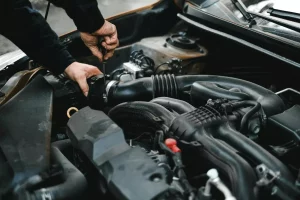
Diagnosing EGR valve issues often requires a comprehensive approach. While scanning for DTCs is a good starting point, it is essential to conduct a visual inspection of the valve and associated components. Checking for carbon buildup, vacuum leaks, and electrical faults can provide additional insights into the problem.
In some cases, cleaning the EGR valve can restore functionality, particularly if carbon deposits are the primary issue. However, it is important to consider the overall condition of the engine. If the engine is experiencing other issues, such as worn components or poor maintenance history, simply cleaning the EGR valve may not be a permanent solution.
Replacement of the EGR valve is sometimes necessary, particularly in high-mileage vehicles where wear and tear can lead to failure. When replacing an EGR valve, it is also advisable to inspect related components, such as the EGR cooler and hoses, to ensure that no secondary issues will arise shortly after the repair.
### Conclusion
The EGR valve is a vital component in maintaining emissions control and engine performance. Recognizing the symptoms of failure can aid in timely diagnosis and repair, ultimately prolonging the lifespan of the vehicle and ensuring compliance with environmental standards. As with many automotive components, attention to detail and a proactive approach to maintenance can mitigate the risks associated with EGR valve issues. Understanding these factors will help in addressing any concerns that may arise in the future.