The check engine light is one of those indicators that can evoke a range of responses from drivers, from mild annoyance to significant concern. In my years working with GMC Terrains, I’ve encountered this issue frequently, and the causes can vary widely. Understanding these common triggers can help demystify the light and provide insight into the vehicle’s health.
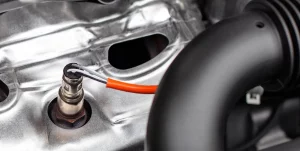
One of the primary culprits behind the illumination of the check engine light is the vehicle's emissions system. The Terrain, like many modern vehicles, is equipped with a sophisticated emissions control system designed to minimize harmful exhaust emissions. A malfunctioning oxygen sensor is often the first point of failure in this system. These sensors monitor the amount of oxygen in the exhaust gases and provide feedback to the engine control module (ECM) to optimize fuel mixture. When an oxygen sensor fails, it can lead to poor fuel economy and increased emissions, prompting the check engine light to activate.
Another frequent offender is the mass air flow (MAF) sensor. This component measures the amount of air entering the engine, which is critical for the ECM to calculate the correct fuel-to-air ratio. If the MAF sensor becomes dirty or malfunctions, it can lead to engine performance issues. In my experience, this often results in rough idling, stalling, or hesitation during acceleration. The light may illuminate as the ECM detects inconsistencies in the air-fuel mixture.
The fuel system also plays a significant role in the check engine light's activation. For instance, a loose or damaged fuel cap is a surprisingly common issue that can trigger the light. This seemingly minor problem can lead to fuel evaporation, which not only affects fuel efficiency but also causes the emissions system to register a fault. It’s a good practice to check the fuel cap regularly, especially if the light comes on unexpectedly.
In certain cases, the check engine light can indicate deeper issues, such as problems with the catalytic converter. This component is essential for reducing harmful emissions, and when it begins to fail, it can cause significant performance issues. Symptoms can include a noticeable decrease in power, poor acceleration, or an unusual smell from the exhaust. If this is the case, immediate attention is warranted, as continued operation with a failing catalytic converter can lead to more severe engine damage.
Additionally, issues with the ignition system, such as faulty spark plugs or ignition coils, can trigger the check engine light. These components are crucial for proper engine operation, and when they fail, they can lead to misfires, rough running, and ultimately impact overall engine performance. In my experience, replacing these components as part of regular maintenance can prevent the check engine light from becoming an all-too-frequent visitor.
Another factor that can lead to the activation of the check engine light is the vehicle's onboard diagnostic (OBD) system itself. If there are issues with the OBD system, such as a malfunctioning ECU or wiring problems, it can produce false codes that illuminate the check engine light. This scenario can sometimes lead to unnecessary worry, as the light may illuminate without a direct correlation to an actual engine issue.
Temperature extremes also play a role in the behavior of various sensors and components. In particularly hot or cold conditions, I've observed that some sensors may become sluggish or fail altogether. This can result in erratic readings that the ECM interprets as faults, leading to the check engine light illuminating. Regularly inspecting and maintaining components can mitigate some of these temperature-related issues.
While some check engine light activations can be harmless, others may indicate that deeper problems are brewing. It's essential to approach each instance with a measured perspective. When the light comes on, it’s wise to use an OBD-II scanner to retrieve the trouble codes. These codes provide a starting point for diagnosing the underlying issue. However, interpreting these codes requires experience – not all codes are indicative of the same severity of problems.
In my observations, the best course of action when faced with a check engine light is to remain calm and methodical. A light that activates without accompanying symptoms may not warrant immediate panic, but it should not be ignored. Conversely, if the light is accompanied by noticeable changes in performance, such as stalling, rough idling, or significant drops in fuel efficiency, it’s advisable to investigate further.
Ultimately, the check engine light serves as a diagnostic tool designed to alert drivers to potential issues. Understanding the common triggers in GMC Terrains – ranging from emissions system failures to ignition problems – can help in addressing concerns effectively. Each vehicle may present its own set of challenges, but familiarity with the Terrain’s systems can lead to more informed decisions and ultimately, a more reliable driving experience. Regular maintenance and vigilance can go a long way in keeping the check engine light at bay.