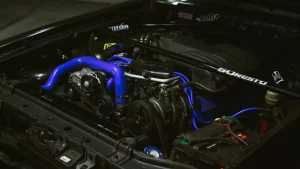
The injection control pressure sensor (ICPS) plays a critical role in the functioning of diesel engines, particularly those equipped with high-pressure common rail systems. This sensor is responsible for monitoring the fuel pressure in the injection system, providing essential feedback to the engine control module (ECM). Over my years of experience working on diesel engines, I’ve encountered various issues related to the ICPS that can significantly affect engine performance and reliability.
In a typical diesel engine, the fuel injection process is highly dependent on precise pressure readings. The ICPS helps ensure that the correct amount of fuel is injected at the right time. This is vital for achieving optimal combustion and performance. When the sensor malfunctions, it can lead to a cascade of problems, including poor fuel economy, increased emissions, and even engine stalling.
One of the most common symptoms of a failing ICPS is erratic engine performance. Drivers may notice that the vehicle hesitates during acceleration or experiences a loss of power, particularly under heavy loads. This can be exacerbated in high-temperature conditions, where the sensor’s ability to accurately read pressure may be compromised. In my experience, these symptoms often lead to misdiagnosis, as technicians may focus on other components within the fuel system before identifying the sensor as the root cause.
Common Failure Modes of the Injection Control Pressure Sensor
The ICPS can fail for several reasons, often related to environmental factors such as heat and vibration. Diesel engines operate under high thermal and mechanical stress, which can lead to sensor degradation over time. One prevalent issue is the buildup of contaminants, such as carbon deposits, on the sensor itself. This buildup can interfere with the sensor’s ability to accurately measure pressure, resulting in incorrect readings being sent to the ECM.
Another failure mode involves electrical issues. The wiring and connectors associated with the ICPS are susceptible to wear and corrosion, especially in vehicles that are regularly exposed to harsh conditions. A loose connection or frayed wire can lead to intermittent signals or complete sensor failure. In some cases, this can trigger fault codes in the ECM, which may illuminate the check engine light, further complicating diagnostics.
Impact of Sensor Malfunction on Engine Performance
When the ICPS fails to provide accurate pressure readings, the ECM may adjust the fuel injection timing and duration incorrectly. This miscalibration can lead to various performance issues, including increased smoke emissions, rough idling, and difficulty starting the engine. In extreme cases, it can cause the engine to enter a limp mode, limiting power output to protect the engine from potential damage.
In my experience, one of the most telling signs of an ICPS issue is the presence of black smoke from the exhaust. This is typically indicative of a rich fuel mixture, which can occur when the ECM compensates for perceived low pressure readings by injecting more fuel than necessary. Such conditions not only affect performance but can also lead to increased wear on engine components over time, particularly in the turbocharger and exhaust systems.
Importance of Monitoring and Diagnostics
Regular monitoring of the ICPS and its associated systems is crucial for maintaining optimal engine performance. Many modern diesel engines are equipped with onboard diagnostics that can provide real-time data on fuel pressure and sensor functionality. Technicians can use scan tools to retrieve trouble codes and perform live data analysis to assess the ICPS’s performance under various conditions.
In practice, I often emphasize the importance of a thorough diagnostic approach when addressing performance issues in diesel engines. It is not uncommon for technicians to overlook the ICPS while investigating fuel delivery problems. However, by prioritizing the diagnostics of this sensor, technicians can often identify issues more efficiently, reducing the time and cost associated with unnecessary repairs.
Replacement Considerations
When it comes time to replace a failing ICPS, several factors should be considered. First, sourcing a quality replacement is critical. While aftermarket sensors may be tempting due to lower costs, they can sometimes lack the reliability of OEM components. In my experience, investing in an original equipment manufacturer (OEM) sensor often pays off in the long run, as these parts are designed to meet the specific demands of the engine.
Another consideration is the installation process. Given the location of the ICPS, which is often situated in hard-to-reach areas of the engine, attention to detail during installation is essential. Ensuring that electrical connections are secure and that the sensor is properly calibrated can prevent future issues. Additionally, it is wise to inspect related components, such as wiring harnesses and connectors, for signs of wear or damage that could affect the new sensor’s performance.
Real-World Observations and Recommendations
Through years of working with diesel engines, I have observed that many drivers are unaware of the importance of the ICPS until a problem arises. Regular maintenance and awareness of engine performance can help catch issues early. For instance, keeping an eye on fuel economy and exhaust smoke can provide valuable insights into the health of the injection system. A sudden drop in fuel efficiency or an increase in exhaust emissions should prompt further investigation into the ICPS and related components.
Moreover, it’s essential to consider the broader implications of sensor failure. For example, a malfunctioning ICPS can lead to excessive fuel consumption, which not only impacts the vehicle’s operating costs but also contributes to environmental concerns. Diesel engines are already under scrutiny for their emissions, and ensuring that all components work correctly, including the ICPS, is vital for meeting regulatory standards.
In conclusion, while the injection control pressure sensor may seem like a small component in the grand scheme of a diesel engine, its role is anything but minor. From my perspective, troubleshooting and addressing issues related to the ICPS can lead to significant improvements in engine performance, fuel efficiency, and overall reliability. As diesel technology continues to evolve, understanding the intricacies of such components will remain essential for anyone involved in the automotive field.