Smoke emitted from a vehicle’s exhaust can be a perplexing and concerning issue for many drivers. Having worked in automotive environments for years, I have encountered this problem frequently across a wide range of vehicles, from passenger cars to commercial trucks. The color and consistency of the smoke can provide critical clues about the underlying problem, whether it be related to engine performance, fuel quality, or exhaust system integrity.
When assessing smoke from exhaust systems, it’s essential to differentiate among the various types of smoke: blue, white, and black. Each color typically corresponds to different mechanical issues, and understanding these distinctions can lead to more efficient diagnostics.
Blue Smoke: Oil Consumption Issues
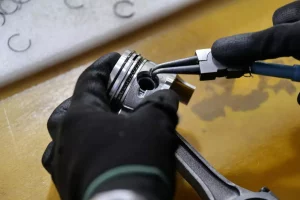
Blue smoke is often indicative of oil burning within the combustion chamber. This usually points to a problem with the engine’s internal components. Common culprits include worn piston rings, damaged valve seals, or even a malfunctioning turbocharger. In these cases, oil seeps into the combustion area and burns alongside fuel, producing blue smoke. The appearance of blue smoke can vary with engine load; it may be more pronounced during acceleration or high-speed driving, where engine vacuum changes can exacerbate the issue.
In my experience, vehicles with high mileage are particularly susceptible to this issue. As engines age, the tolerances between moving parts can increase, allowing oil to escape into areas it shouldn’t be. Additionally, the type of oil used can play a role. Low-quality oil or oil not suited for the specific vehicle can lead to increased consumption and, subsequently, blue smoke. Regularly checking oil levels and changing the oil according to manufacturer recommendations can help mitigate this problem, but it’s not a foolproof solution.
White Smoke: Coolant Leaks
White smoke is often a sign that coolant is entering the combustion chamber. This can occur due to a blown head gasket, a cracked engine block, or a damaged cylinder head. When coolant burns, it produces a sweet-smelling vapor that can be easily identified. Unlike blue smoke, white smoke is typically more persistent and may appear during both cold starts and when the engine is warmed up.
In many cases, white smoke may be accompanied by other symptoms, such as engine overheating or a noticeable drop in coolant levels. I’ve seen instances where a small leak develops over time, leading to a gradual increase in white smoke emissions. It’s crucial to address this issue promptly, as allowing coolant to enter the combustion chamber can lead to more severe engine damage. If the problem is left untreated, it can result in significant repairs, including engine replacement in extreme cases.
Black Smoke: Fuel Rich Conditions
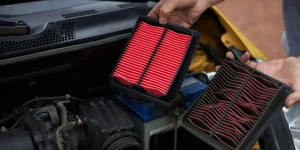
Black smoke indicates that the engine is burning too much fuel relative to the amount of air it is receiving. This can occur due to several factors, including a malfunctioning fuel injector, a clogged air filter, or issues with the engine’s air intake system. In diesel engines, black smoke can also be a result of improper combustion, often linked to fuel quality or injector problems.
Experiencing black smoke is often accompanied by a noticeable decrease in fuel efficiency. Drivers may find themselves refueling more frequently, which can become a significant concern over time. Diagnosing the root cause requires a thorough inspection of the fuel delivery system and air intake. In some cases, simply replacing a clogged air filter can resolve the issue, while more complex problems may necessitate professional diagnostics and repairs.
Other Considerations: Exhaust System Integrity
While the color of the smoke provides initial clues about the problem, the overall condition of the exhaust system itself should not be overlooked. A damaged exhaust system can also contribute to unusual emissions. For instance, a cracked manifold or a failing catalytic converter can alter the exhaust gases emitted from the vehicle, sometimes leading to smoke or unusual odors. In such cases, it’s important to inspect the exhaust system for any signs of damage or corrosion.
Another factor to consider is the environmental conditions in which the vehicle operates. For instance, vehicles that are frequently driven in stop-and-go traffic may experience more pronounced emissions issues due to increased engine load and temperature fluctuations. Similarly, extreme weather conditions can affect engine performance and smoke emissions. Cold starts in low temperatures can lead to temporary white smoke, primarily due to condensation in the exhaust system, which is usually harmless and dissipates as the engine warms up.
Diagnostic Approach
When faced with smoke from the exhaust, a systematic approach to diagnostics is crucial. Begin by observing the conditions under which the smoke appears. Is it during acceleration, idling, or cold starts? Monitoring these variables can often point toward the underlying issue. Checking fluid levels – oil and coolant – is another essential step. Low levels can indicate leaks, while unusually high levels of oil can suggest internal consumption issues.
Utilizing diagnostic tools, such as an OBD-II scanner, can provide valuable insights into engine performance and help identify any fault codes related to fuel mixture or combustion issues. Conducting a compression test can also reveal the health of the engine’s internal components, particularly the piston rings and cylinder heads.
In some cases, it may be beneficial to consult with a technician who has experience with the specific make and model of the vehicle. Each vehicle has unique characteristics that can influence how smoke emissions manifest. A technician can offer insights based on their knowledge and experience, which can expedite the diagnostic process.
Ultimately, smoke from a vehicle’s exhaust should not be ignored. While some emissions may be harmless, particularly during cold starts, others can indicate deeper mechanical issues that require timely intervention. Understanding the various causes and symptoms can empower vehicle owners to take appropriate action, ensuring their vehicles remain safe and efficient on the road.