The check engine light (CEL) is a common feature in modern vehicles, including BMWs, and it serves as an indicator of various potential issues within the engine management system. The light can illuminate for numerous reasons, from minor issues to serious malfunctions. Having worked extensively with BMWs and other vehicles, I've seen firsthand how this light can manifest in different scenarios, often leading to confusion and concern among drivers.
A primary factor to consider is that the CEL is part of the onboard diagnostics system (OBD-II). This system monitors various components of the engine and emissions system, using a network of sensors to detect abnormalities. When a sensor identifies an issue that falls outside of predetermined parameters, it triggers the check engine light. However, understanding the context of these triggers is essential for accurate diagnosis.
Common Triggers for the Check Engine Light
One of the most frequent causes for the CEL in BMWs is related to the emissions system. For instance, a faulty oxygen sensor can lead to incorrect air-fuel mixture readings. This not only affects engine performance but can also lead to increased emissions, which is particularly concerning given the stringent environmental regulations many regions impose. A malfunctioning catalytic converter is another common culprit; it can cause the engine to run inefficiently and may even lead to more severe engine damage if not addressed promptly.
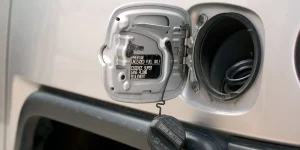
Another area where issues frequently arise is in the fuel system. Problems such as a failing fuel pump or a clogged fuel filter can result in insufficient fuel delivery to the engine, leading to performance issues and triggering the CEL. Additionally, a loose or damaged gas cap is often overlooked but can cause fuel vapor leaks that activate the light. In my experience, many drivers underestimate the importance of ensuring that the gas cap is secure, leading to unnecessary trips to the mechanic.
Electrical and sensor-related issues are also prevalent. BMWs, known for their advanced electronic systems, can experience faults in wiring or connectors that lead to erroneous readings. For example, a malfunctioning mass airflow sensor (MAF) can result in poor performance and increased fuel consumption. This sensor measures the amount of air entering the engine, and if it’s faulty, the engine control unit (ECU) cannot optimize the air-fuel mixture, leading to suboptimal combustion.
Environmental factors can also contribute to the CEL activation. Extreme temperatures, both hot and cold, can affect sensor performance. For instance, a temperature sensor that fails in high heat may not provide accurate readings, prompting the CEL to illuminate. Similarly, vibrations from the engine or road can impact wiring and connections over time, leading to intermittent faults that trigger the light.
Understanding the Severity of the Issue
Not all check engine light activations signal a critical problem. In some cases, the light may illuminate due to minor issues that, while requiring attention, do not pose an immediate threat to vehicle operation. However, it's important to differentiate between harmless triggers and those that indicate more serious problems. For example, a loose gas cap or a minor emissions issue might not affect drivability but could lead to failing an emissions test if not addressed.
Conversely, if the CEL is accompanied by noticeable performance issues – such as rough idling, stalling, or a significant drop in power – this could indicate a more serious malfunction. In such cases, immediate attention is warranted to prevent further damage to the engine or related systems. An experienced technician can often provide a more detailed diagnosis using a scan tool to retrieve diagnostic trouble codes (DTCs) associated with the CEL, which can guide the repair process.
Real-World Observations and Scenarios
In my experience, I've frequently encountered situations where a simple issue snowballed into a more complex problem due to delayed attention. For example, a driver might ignore the CEL because the vehicle seems to be running fine, only to later experience a breakdown caused by a neglected issue that could have been resolved early on. This is particularly common with older BMW models, where sensors and components naturally degrade over time.
I've also seen cases where multiple codes are triggered simultaneously. This often indicates a cascading effect, where one failing component causes others to malfunction. For instance, a faulty MAF sensor may lead to incorrect fuel delivery, which can then affect the performance of the oxygen sensors, resulting in multiple DTCs. Understanding the interconnectivity of these systems is crucial for effective diagnosis and repair.
Another observation is the role of regular maintenance in preventing check engine light issues. Vehicles that receive routine inspections and timely service often exhibit fewer CEL incidents. In contrast, poorly maintained vehicles may experience a higher frequency of issues due to accumulated wear and tear, especially in components like the ignition system and fuel injection system.
The Importance of Diagnostic Tools
Given the complexities involved in diagnosing the check engine light, having access to appropriate diagnostic tools is essential. A professional-grade OBD-II scanner can provide invaluable insights beyond the basic codes, offering live data and freeze frame information that can aid in pinpointing the issue. This level of detail is particularly beneficial when dealing with intermittent problems that may not consistently trigger the light.
Moreover, understanding the specific codes associated with BMWs can provide context to the technician. For example, codes related to the VANOS system, which controls variable valve timing, may indicate issues with timing or oil flow that could affect engine performance significantly. Familiarity with these nuanced codes allows for more efficient troubleshooting and resolution.
Conclusion: Monitoring and Maintenance
The check engine light is a multifaceted indicator that can arise from a variety of issues within a BMW’s engine management system. While some triggers may be benign, others can indicate serious problems requiring immediate attention. Regular maintenance and prompt responses to the CEL can help prevent minor issues from escalating into major repairs. Observing the vehicle's performance alongside the light's activation can provide critical insight into the underlying issues. As always, a thorough diagnostic approach, utilizing appropriate tools and techniques, is vital for effective resolution.