Carburetors have been a fundamental component in internal combustion engines for decades, particularly in older passenger cars and some commercial vehicles. While fuel injection systems have largely replaced them in modern vehicles, carburetors remain prevalent in classic cars, motorcycles, and certain utility vehicles. My hands-on experience with these systems has revealed a range of issues that can arise, often leading to performance degradation or operational failures. Understanding these problems can help in diagnosing and maintaining vehicles equipped with carburetors.
One of the most common issues encountered is fuel flooding. This occurs when an excessive amount of fuel enters the engine, often due to a malfunctioning float or a stuck needle valve. In practical terms, this can manifest as difficulty starting the engine or a noticeable fuel smell, particularly after the vehicle has been parked for a while. When the engine is cranked, it may sputter or fail to start altogether, leading to frustration for the driver. In some cases, fuel flooding can cause the engine to run rich, resulting in poor fuel economy and increased emissions. The root cause often lies in the wear of components, as well as the condition of the fuel itself; for instance, ethanol-blended fuels can attract moisture, leading to corrosion and malfunctioning parts.
Another frequent issue is the formation of varnish and gum in the carburetor, particularly when vehicles are left unused for extended periods. This can obstruct jets and passages, leading to poor fuel atomization and uneven engine performance. Symptoms may include rough idling, stalling, or a lack of power during acceleration. The root cause often traces back to fuel quality and storage. Fuel that sits stagnant can degrade, leading to deposits that clog vital components. Regular usage and maintenance can mitigate these issues, but many owners overlook the importance of cleaning and servicing the carburetor as part of their routine vehicle care.
Common Symptoms of Carburetor Problems
Identifying the symptoms of carburetor-related issues can be a straightforward task for someone familiar with engine diagnostics. A vehicle that exhibits difficulty starting, particularly when cold, may indicate a choke malfunction. The choke is designed to enrich the air-fuel mixture during startup, and if it fails to operate correctly, it can lead to prolonged cranking times. In colder climates, a malfunctioning choke can be particularly detrimental, as the engine requires a richer mixture to fire properly.
In addition to starting difficulties, erratic engine behavior can signal deeper issues. For example, if the engine hesitates or backfires during acceleration, it may point to an air-fuel mixture that is too lean or too rich. Such conditions can often be traced back to improper jet sizes or misadjusted air-fuel screws. On the road, this can be particularly noticeable during rapid acceleration, where the engine may struggle to keep up, resulting in a loss of power.
Effects of Operating Conditions
Operating conditions can significantly influence carburetor performance. High temperatures, for instance, can exacerbate the risk of vapor lock, a phenomenon where fuel vaporizes within the fuel line before it reaches the carburetor. This typically manifests as engine stalling or difficulty restarting after the vehicle has been running. In extreme cases, vapor lock can occur even in cooler conditions if the fuel lines are poorly insulated or routed near heat sources, such as exhaust manifolds. Many vehicles designed for high performance or heavy loads are particularly susceptible to this issue, necessitating careful routing of fuel lines and consideration of insulation materials.
Another factor that can affect carburetor performance is altitude. As elevation increases, air density decreases, which can lead to a lean air-fuel mixture if the carburetor is not appropriately calibrated. Vehicles that frequently operate at varying altitudes may require adjustments to their carburetors to ensure optimal performance. This is particularly true for older vehicles that lack the sophisticated self-adjusting capabilities of modern fuel injection systems. In practice, this means that drivers may need to carry a set of jets or tuning tools if they frequently traverse hilly or mountainous terrain.
Maintenance and Longevity
Regular maintenance is crucial for extending the life and performance of carburetors. A common oversight is the failure to replace gaskets and seals, which can degrade over time due to exposure to fuel and heat. Leaking gaskets can lead to air leaks, causing the engine to run lean and resulting in poor performance and potential engine damage. It is not uncommon to encounter vehicles where the owner has neglected this simple maintenance step, leading to more significant repairs down the line.
Additionally, the importance of using quality fuel cannot be overstated. Impurities and additives in lower-quality fuels can exacerbate varnish buildup and accelerate the wear of components within the carburetor. In my experience, vehicles that routinely run on premium fuel tend to experience fewer carburetor issues compared to those using lower-grade options. While the initial cost may be higher, the long-term savings from reduced maintenance and repairs can be significant.
Real-World Observations
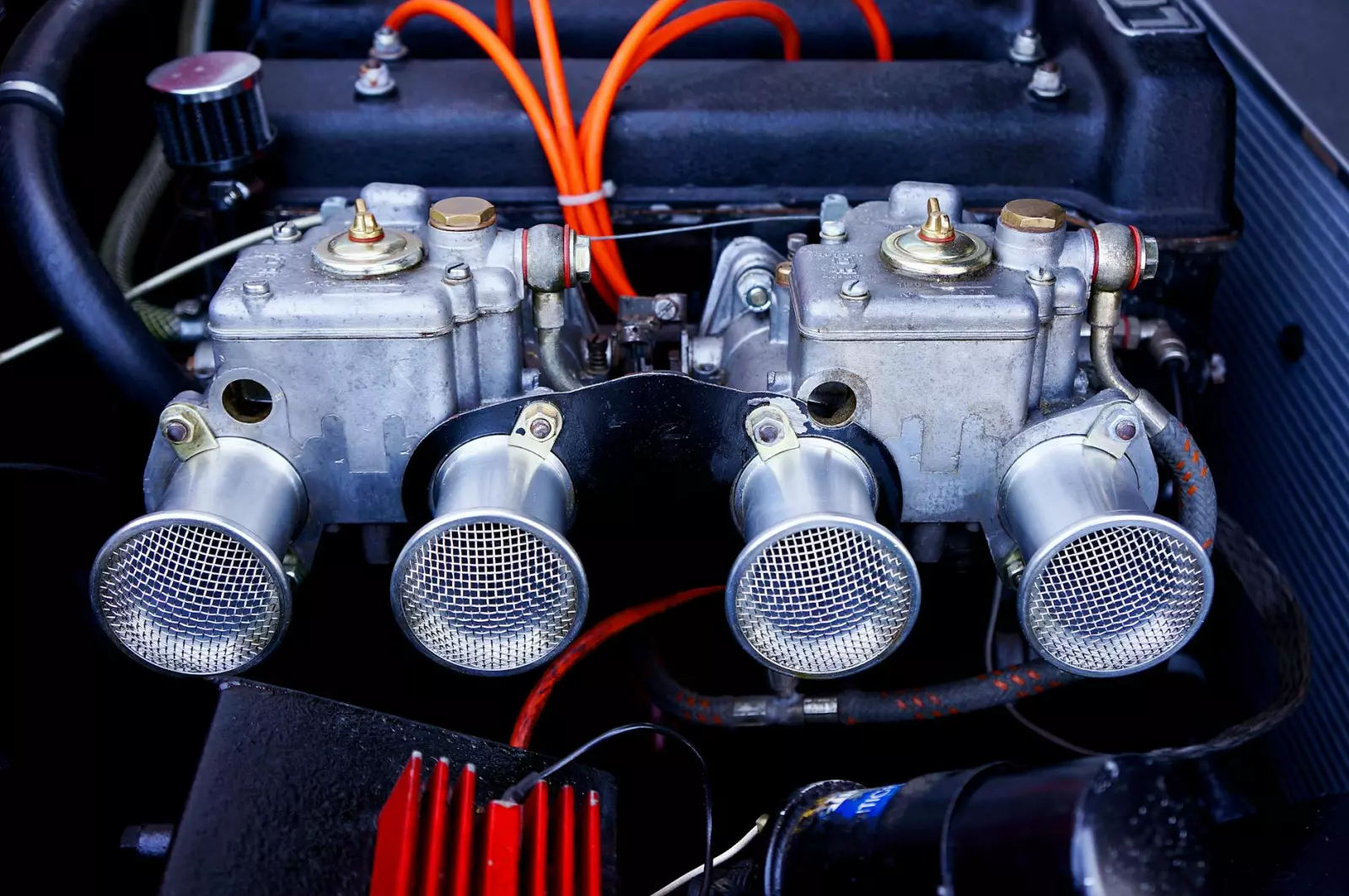
In the field, I have encountered a variety of carburetor setups, from single-barrel units on compact cars to multi-barrel systems on performance engines. Each type presents its own set of challenges. For example, tuning a multi-barrel carburetor requires a more nuanced approach, as each barrel needs to work in harmony with the others. Misalignment or improper tuning can lead to uneven power delivery and poor throttle response. This complexity often leads to frustration among enthusiasts who may not have the experience or tools to achieve optimal tuning.
It is also worth noting that certain vehicles, particularly those modified for performance, can experience unique carburetor issues. Modifications such as aftermarket intakes or exhaust systems can alter airflow dynamics, necessitating adjustments to the carburetor to maintain proper performance. In these cases, the relationship between the carburetor and the entire intake system becomes critical, and even minor adjustments can yield significant changes in engine behavior.
In conclusion, while carburetors may seem straightforward, their operation and maintenance can be complex. The symptoms of carburetor issues can range from minor inconveniences to significant performance problems, often influenced by a myriad of factors including fuel quality, environmental conditions, and regular maintenance practices. The importance of understanding these systems cannot be overstated, especially for those who wish to preserve the performance and reliability of their vehicles over time.