Experiencing a check engine light (CEL) can stir a mix of confusion and concern among vehicle owners. This light, often a small yet significant indicator, serves as a gateway to understanding what might be wrong with your vehicle. Through years of hands-on experience working with various vehicles, I’ve encountered a multitude of scenarios where the check engine light illuminated, each with its own set of symptoms and underlying issues. Understanding these can make a considerable difference in addressing potential problems before they escalate.
The check engine light is part of the onboard diagnostics (OBD) system that monitors engine performance and emissions control. When the system detects a malfunction, it triggers the CEL, often accompanied by a diagnostic trouble code (DTC). This code can be read through an OBD-II scanner, which provides insights into the specific issue. However, the presence of the light doesn’t always imply a severe problem; it can indicate anything from a loose gas cap to more serious engine malfunctions.
One of the most common issues that trigger the check engine light is related to the fuel system. A loose or damaged gas cap is frequently overlooked but can cause fuel vapors to escape, leading the OBD system to register an error. This is a relatively harmless issue but can lead to increased emissions and decreased fuel efficiency if not addressed. In my experience, I’ve seen many drivers dismiss the CEL, only to find that tightening or replacing the gas cap resolves the issue.
Common Diagnostic Trouble Codes
As I’ve worked on various vehicles, certain diagnostic trouble codes seem to appear with alarming frequency. Here are a few codes that I often encounter:
- P0171: System Too Lean (Bank 1)
- P0300: Random/Multiple Cylinder Misfire Detected
- P0420: Catalyst System Efficiency Below Threshold (Bank 1)
- P0455: Evaporative Emission Control System Leak Detected (Large Leak)
The P0171 code, for example, suggests that the engine is running lean – meaning there’s too much air and not enough fuel in the mixture. This can be caused by a vacuum leak, a failing mass airflow sensor, or fuel delivery issues. In high-heat situations or under heavy engine load, these conditions can exacerbate the problem, leading to rough idling or stalling. Addressing this promptly can prevent damage to the engine components over time.
Similarly, the P0300 code indicates a misfire, which can stem from various sources such as faulty ignition coils, spark plugs, or fuel injectors. Misfires can lead to poor performance and increased emissions, so it’s crucial to investigate the cause thoroughly. In high-stress driving conditions, such as towing or rapid acceleration, the symptoms may become more pronounced, allowing for a more straightforward diagnosis.
Environmental Factors and Engine Performance
The environmental conditions in which a vehicle operates can significantly impact the performance of various components, leading to illuminated check engine lights. For instance, extremely hot or cold temperatures can affect sensor performance. In colder climates, the engine oil may thicken, impacting the oil pressure sensor’s readings, while in hotter climates, increased heat can lead to sensor failures. Understanding these environmental influences can aid in diagnosing issues more accurately.
Heat is a particularly critical factor, especially in the engine bay. Components such as ignition coils or wiring harnesses may degrade over time due to constant exposure to high temperatures. In my experience, I’ve seen ignition coils fail more frequently in vehicles that are subjected to prolonged periods of high under-hood temperatures. This can lead to misfires and trigger the CEL. Regular inspections of these components can help mitigate such failures.
Interpreting Symptoms Beyond the Light
While the check engine light is a significant indicator, it’s essential to consider additional symptoms that may accompany it. For example, if the light is on and the vehicle exhibits a rough idle or poor acceleration, this could indicate a more serious issue that requires immediate attention. Conversely, if the CEL is illuminated but the vehicle runs smoothly, it may be a less critical issue, such as an emissions-related fault.
Another scenario I often encounter involves intermittent CEL activation. A vehicle may show the light sporadically, often related to temperature changes or specific driving conditions. For instance, I’ve worked on vehicles where the CEL would activate only during heavy acceleration or after the engine had reached operating temperature. This can complicate diagnostics, as the issue may not be easily replicated. In these cases, keeping a detailed log of when the light activates can provide valuable insights for further investigation.
Understanding the Role of Maintenance
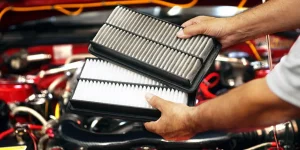
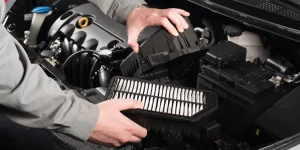
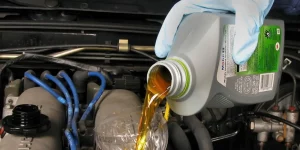
Regular maintenance plays a crucial role in preventing check engine light activation. Components like air filters, fuel filters, and spark plugs should be replaced at recommended intervals to ensure optimal performance. Neglecting these routine services can lead to issues that trigger the CEL. For instance, a clogged air filter can restrict airflow to the engine, leading to a rich fuel condition and potentially triggering a lean code.
In my experience, I’ve observed that vehicles with a consistent maintenance history tend to have fewer CEL-related issues. This highlights the importance of adhering to manufacturer service intervals and addressing minor issues before they escalate into significant problems. A proactive approach can save both time and money in the long run.
Conclusion: The Value of Experience in Diagnostics
Diagnosing check engine light issues requires a blend of experience, observation, and sometimes a bit of intuition. Understanding the common causes, environmental influences, and the importance of maintenance can greatly enhance the diagnostic process. Each vehicle presents its own unique set of challenges, and by applying learned insights, technicians can work more efficiently to pinpoint the root cause of the CEL. While the light itself may seem like a simple alert, it represents a complex interplay of systems that, when properly understood, can lead to more effective and timely repairs.