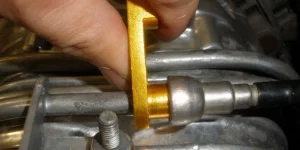
The variable timing solenoid plays a crucial role in modern internal combustion engines, particularly those equipped with variable valve timing (VVT) systems. This component is responsible for regulating the timing of the engine’s intake and exhaust valves, allowing for optimal performance across varying conditions. However, as with many engine components, the solenoid can fail, leading to a range of symptoms that can impact vehicle performance and efficiency. Having encountered this issue in various vehicles over the years, I have observed several common signs that indicate a failing variable timing solenoid.
One of the most noticeable symptoms of a malfunctioning solenoid is a decline in engine performance. Drivers may experience a lack of power during acceleration, particularly at higher RPMs. This is often attributed to the solenoid’s inability to adjust valve timing effectively, which can result in suboptimal combustion. In practical terms, this can feel like the engine is struggling to deliver power, especially when merging onto highways or climbing steep grades. Such a scenario can be frustrating, not only for drivers but also for technicians who must diagnose the root cause of the issue.
Another common symptom is a rough idle. In many cases, a failing variable timing solenoid can cause the engine to run unevenly when at a standstill. This occurs because the solenoid may not be able to maintain the correct valve timing, leading to irregular air-fuel mixtures. The engine might feel like it’s vibrating more than usual, and in some instances, it may even stall. This is particularly evident in vehicles with automatic transmissions, where the transition between gears can become harsh or unpredictable due to inconsistent engine performance.
Fuel efficiency is another area where a faulty variable timing solenoid can have a noticeable impact. When the solenoid fails to adjust valve timing properly, it can lead to increased fuel consumption. Drivers may find themselves refueling more frequently, which can be a significant concern in the current economic climate. I have seen this manifest in various models, where owners report a drop in miles per gallon (MPG) that correlates closely with the onset of other symptoms.
In some cases, the check engine light may illuminate on the dashboard as a direct result of a failing solenoid. The vehicle’s onboard diagnostic system monitors the performance of the engine and its components, including the variable timing system. If the solenoid is not operating within the expected parameters, it triggers a fault code, prompting the check engine light to turn on. This can lead to further investigation, often requiring a scan tool to retrieve the specific trouble codes that indicate the nature of the problem.
It’s important to note that while these symptoms can indicate a failing variable timing solenoid, they can also be the result of other issues within the engine. For instance, problems with the camshaft or timing chain can produce similar symptoms. Therefore, thorough diagnostics is essential to pinpoint the exact cause of the issue. In my experience, overlooking these symptoms can lead to more significant problems down the line, as a malfunctioning solenoid can contribute to premature wear on engine components.
Temperature plays a significant role in the operation of the variable timing solenoid. In high-heat conditions, the solenoid may become sluggish or unresponsive. This is particularly true in vehicles that have high-performance engines or those that operate under heavy loads, such as towing or off-roading. I have seen instances where excessive heat causes the solenoid to stick, leading to erratic valve timing adjustments. This can exacerbate performance issues, especially during prolonged periods of high engine load.
Another factor to consider is the age and mileage of the vehicle. Over time, the seals and internal components of the solenoid can deteriorate, leading to leaks or blockages. In many cases, vehicles with higher mileage are more susceptible to these failures, as wear and tear take their toll on the engine’s components. Regular maintenance can help mitigate some of these issues, but even well-maintained vehicles can experience solenoid failures due to the inherent complexities of modern engine designs.
In terms of repair, addressing a failing variable timing solenoid is typically straightforward. However, access to the solenoid can vary significantly between makes and models, often requiring the removal of other components for proper access. This can lead to increased labor costs and time spent on repairs. In some cases, I have encountered instances where technicians recommend replacing not only the solenoid but also associated components, such as the timing chain or camshaft, to ensure optimal performance and longevity.
It’s also worth mentioning that some vehicles may exhibit symptoms that seem harmless at first glance but can indicate deeper issues. For example, a rough idle may initially appear to be a minor inconvenience. However, if left unaddressed, it can lead to more severe problems, such as engine misfires or damage to the catalytic converter due to unburned fuel entering the exhaust system. Such cascading effects underscore the importance of paying attention to changes in vehicle behavior and addressing them promptly.
In conclusion, the variable timing solenoid is a critical component that can significantly impact engine performance and efficiency. Understanding the symptoms of a failing solenoid can help drivers recognize when it’s time to seek professional diagnosis and repair. By paying close attention to how the vehicle behaves under various conditions, it’s possible to catch issues early and prevent more extensive damage that could arise from neglecting these warning signs. In real-world scenarios, proactive maintenance and attention to detail can make a substantial difference in vehicle longevity and reliability.