The mass airflow (MAF) sensor is a critical component in modern vehicles, playing a significant role in engine management. Its primary function is to measure the amount of air entering the engine, which allows the engine control unit (ECU) to adjust fuel delivery accordingly. When the MAF sensor starts to fail, it can lead to a variety of symptoms that may compromise vehicle performance, fuel efficiency, and emissions. Having encountered these issues in various automotive environments, I can provide insights based on real-world observations.
One of the first signs of a failing MAF sensor is a noticeable decrease in engine performance. Drivers often report a lack of power during acceleration, which can be attributed to incorrect air-fuel mixture ratios. For instance, if the MAF sensor reads lower air intake than actual, the ECU may respond by reducing fuel delivery, leading to sluggish acceleration. Conversely, a faulty sensor might indicate an excessive air intake, causing the engine to run rich, which can also hinder performance. This duality of symptoms often leads to confusion, as the vehicle may exhibit varying performance issues under different driving conditions.
Another common symptom linked to MAF sensor failure is rough idling. A vehicle experiencing this issue may feel as though it is vibrating or shaking while at a standstill. This symptom occurs because the ECU is trying to maintain an optimal idle speed despite receiving inaccurate data from the MAF sensor. Inconsistent air measurements can lead to fluctuations in engine speed, which can be particularly pronounced in vehicles with a high-performance engine that relies heavily on precise air-fuel ratios.
Fuel efficiency is often one of the first aspects drivers notice when the MAF sensor is not functioning properly. A failing MAF sensor can lead to increased fuel consumption due to improper air-fuel mixture adjustments. For example, if the sensor falsely indicates a lean air mixture, the ECU will compensate by injecting more fuel, resulting in higher-than-normal fuel usage. This effect can be particularly noticeable in vehicles that are primarily driven in urban settings, where stop-and-go traffic exacerbates the issue.
In some cases, drivers may also experience stalling or difficulty starting the engine. A malfunctioning MAF sensor can disrupt the air-fuel mixture during the critical moment of ignition, leading to an engine that struggles to start or stalls unexpectedly. This symptom can be particularly alarming, as it may occur without warning and can be misdiagnosed as issues related to the ignition system or fuel pump.
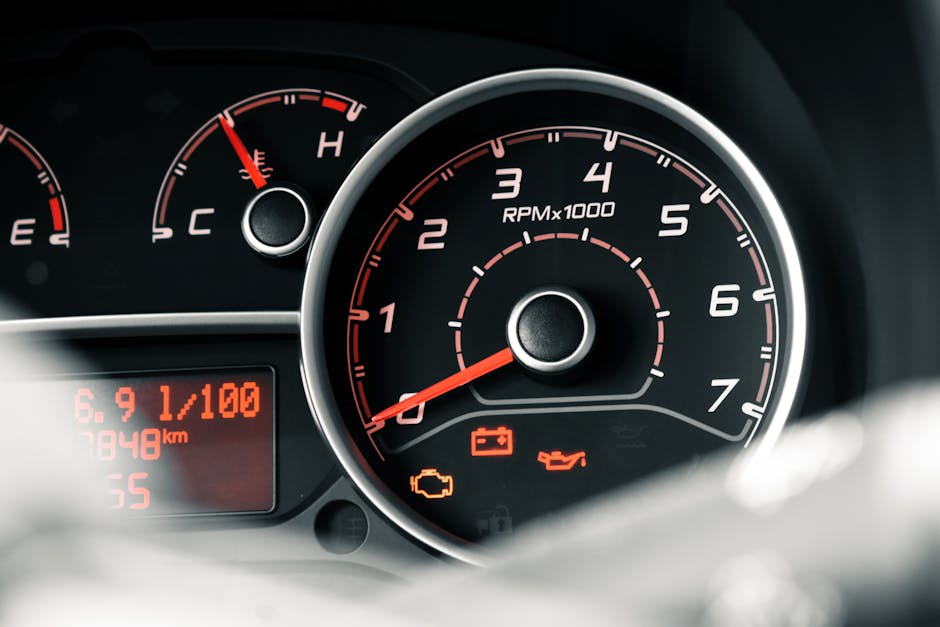
In addition to performance-related symptoms, the presence of a malfunctioning MAF sensor can trigger check engine lights. The ECU continuously monitors the MAF sensor’s readings and can detect deviations from expected values. When this occurs, it triggers a diagnostic trouble code (DTC) that can be read with an OBD-II scanner. While the check engine light can indicate many issues, a code related to the MAF sensor should prompt further investigation.
Real-World Scenarios and Diagnostic Challenges
Diagnosing a failing MAF sensor can sometimes be challenging due to the overlapping symptoms with other engine management components. For example, issues with the throttle position sensor, oxygen sensors, or even vacuum leaks can produce similar symptoms. It is not uncommon for technicians to replace the MAF sensor only to find that the real issue lies elsewhere. This highlights the importance of a thorough diagnostic approach that considers all potential causes rather than jumping to conclusions based on a single symptom.
Environmental factors can also exacerbate MAF sensor issues. For instance, excessive heat or exposure to contaminants can lead to premature failure. Vehicles that operate in dusty or polluted environments may see a higher rate of MAF sensor failures due to dirt accumulation on the sensor element. This can result in erratic readings and performance issues that may not be immediately linked to the sensor itself.
Another consideration is the age and condition of the vehicle. Older vehicles with high mileage may experience MAF sensor failures more frequently due to wear and tear. Additionally, when replacing the MAF sensor, it is advisable to inspect related components, such as the air filter and intake system, as these can affect the sensor’s performance. A clogged air filter can restrict airflow, leading to incorrect readings and compounding the issues caused by a failing sensor.
Implications of Ignoring MAF Sensor Issues
Ignoring symptoms related to a failing MAF sensor can have broader implications for vehicle health. Prolonged operation with an inaccurate air-fuel mixture can lead to engine damage over time. For example, running rich can cause carbon buildup in the combustion chamber, leading to misfires and potential damage to spark plugs and catalytic converters. Conversely, running lean can increase engine temperatures, potentially resulting in overheating and severe engine damage.
Furthermore, a malfunctioning MAF sensor can also impact emissions levels, leading to vehicles failing emissions tests. This is particularly important for those in regions with strict emissions regulations. A vehicle that consistently fails to meet emissions standards may require more extensive repairs, resulting in higher costs and potential legal ramifications.
In summary, the mass airflow sensor plays a vital role in maintaining engine performance and efficiency. Recognizing the symptoms of a failing MAF sensor can help mitigate further complications and maintain optimal vehicle operation. While some symptoms may seem minor, they can indicate underlying issues that, if left unaddressed, may lead to significant repairs down the line. The key is to approach any performance-related concerns with a comprehensive diagnostic mindset, considering all potential factors that may contribute to the observed symptoms.