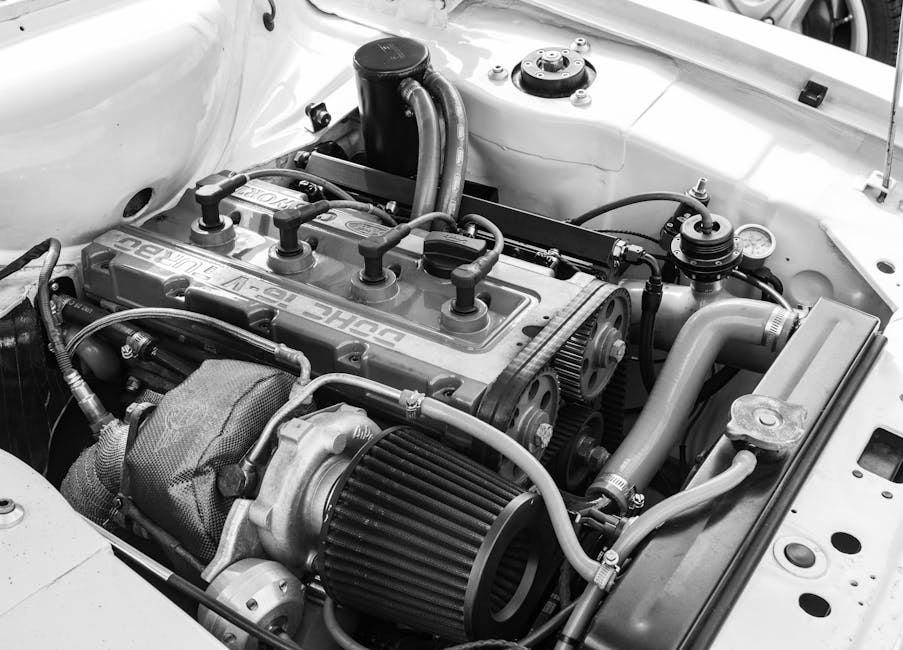
Exhaust manifold leaks are a frequent concern in various vehicles, from passenger cars to commercial trucks. Having encountered this issue repeatedly in my years of hands-on experience, I can attest to the subtlety and complexity of diagnosing such leaks. The exhaust manifold serves a critical role in directing exhaust gases from the engine to the exhaust system. When it fails, the consequences can range from minor performance drops to serious engine damage.
In many cases, the initial signs of an exhaust manifold leak are quite subtle. A common symptom is an unusual noise that can be mistaken for other engine sounds. A hissing or popping noise, particularly during acceleration, can indicate that exhaust gases are escaping from the manifold. This noise is often more pronounced when the engine is cold, as the metal components contract and the gaps may become more apparent. As the engine warms up, the sound may diminish, leading some drivers to overlook the issue until it becomes more serious.
Another symptom to watch for is a noticeable drop in fuel efficiency. When exhaust gases escape before reaching the catalytic converter, it can disrupt the vehicle’s air-fuel mixture, leading to an inefficient combustion process. Drivers may find themselves making more frequent trips to the gas station, yet the cause might not be immediately linked to the manifold. This inefficiency can also lead to increased emissions, which may trigger a check engine light due to the vehicle’s onboard diagnostics detecting abnormal exhaust flow patterns.
Visual and Performance Indicators
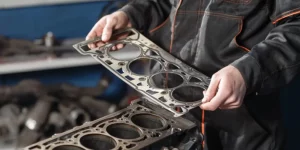
Visual inspections can reveal more about the state of the exhaust manifold. Cracks or signs of wear on the manifold itself are indicators of potential leaks. Over time, the high temperatures and pressures within the exhaust system can weaken metal components, leading to fatigue. Additionally, the gaskets that seal the manifold to the engine can degrade, especially in older vehicles or those subjected to extreme driving conditions. A visual inspection of these areas, along with the exhaust pipes, can often reveal soot buildup or discoloration, which can indicate where exhaust gases are escaping.
Performance-wise, a vehicle experiencing an exhaust manifold leak may exhibit symptoms such as rough idling or stalling. This can occur because the leak disrupts the optimal flow of exhaust gases, affecting the engine’s ability to maintain a consistent idle speed. In some cases, the engine may also run hotter than normal, as the leak can prevent accurate readings from the oxygen sensors, leading to improper adjustments in the engine management system.
Environmental Factors and Their Effects
Environmental factors can significantly influence the occurrence of exhaust manifold leaks. For example, vehicles operating in colder climates can experience increased stress on the exhaust system as metal components expand and contract with temperature fluctuations. This can lead to cracks forming over time. Moreover, exposure to road salt, which is common in winter months, can accelerate corrosion, particularly in older vehicles lacking protective coatings.
Similarly, heavy loads and frequent towing can place additional stress on the exhaust manifold. In heavy-duty trucks or vehicles that regularly transport significant weight, the exhaust system must work harder. This can lead to premature wear, especially if the vehicle is not adequately maintained. Regular inspections and proper care can mitigate these issues, but they remain a concern in the real world.
Diagnosing the Problem
When diagnosing an exhaust manifold leak, it’s essential to consider both symptoms and environmental factors. A straightforward visual inspection can often reveal the most glaring issues, although some leaks may be less visible. Using a smoke machine can help pinpoint leaks that are otherwise difficult to see, as the smoke will escape from any gaps in the exhaust system. This method is particularly useful in a shop setting, where controlled conditions can yield accurate results.
Additionally, the use of a vacuum gauge can help diagnose exhaust leaks. A drop in vacuum pressure can indicate that exhaust gases are escaping from the manifold instead of flowing through the system as intended. This method can be particularly effective for experienced technicians, as it requires a nuanced understanding of how engine systems interact.
Consequences of Ignoring Leaks
Failing to address an exhaust manifold leak can lead to a cascade of problems. Over time, the engine’s performance can degrade further, leading to more severe issues such as overheating or catastrophic engine failure. The cost of repairs can escalate rapidly if the issue is allowed to progress unchecked. A minor crack can lead to complete manifold replacement or even damage to the cylinder head, which can be significantly more expensive to repair.
Furthermore, the vehicle’s emissions system is designed to minimize harmful pollutants. An exhaust leak can compromise this system, leading to increased emissions. In regions with strict vehicle emissions standards, this can result in failed inspections and the need for costly repairs to bring the vehicle back into compliance. The environmental impact of ignored exhaust leaks is also a consideration, as increased emissions contribute to air quality problems.
In an automotive environment, maintaining the integrity of the exhaust system is not just about performance; it is also about safety and compliance. As such, it is crucial to remain vigilant for the symptoms of exhaust manifold leaks and to address them promptly. Regular maintenance and inspections can help catch these issues early, ensuring that the vehicle remains safe and efficient.
In summary, while exhaust manifold leaks may start as minor inconveniences, they can lead to a range of more significant issues if not addressed. Understanding the symptoms and underlying causes can help vehicle owners and technicians make informed decisions regarding maintenance and repairs. The relationship between an engine’s performance and the integrity of its exhaust system is complex and deserves attention to ensure long-term reliability.