A misfire in a vehicle engine is often a symptom that triggers a cascade of performance issues. Among the various cylinders, a misfire in cylinder 4 is particularly notable, given its common occurrence in a range of vehicles. Over the years, many drivers and technicians have encountered the P0304 diagnostic trouble code, which indicates a misfire specifically in cylinder 4. Understanding the causes and implications of this issue requires a nuanced look at the engine’s operation, the conditions under which misfires occur, and the potential consequences for vehicle performance and longevity.
In a typical four-cylinder engine, cylinder 4 is positioned at the end of the firing order, often leading to unique challenges. Misfires can be caused by a variety of factors, including fuel delivery problems, ignition system failures, or mechanical issues within the engine itself. The conditions under which these misfires manifest can vary widely, influenced by factors such as engine temperature, load, and even the quality of the fuel being used.
Fuel delivery problems can often be traced back to the fuel injectors. A clogged or malfunctioning injector can lead to an inadequate fuel supply to cylinder 4, resulting in a lean mixture that fails to ignite properly. This can occur more frequently in older vehicles, where fuel injectors may become caked with carbon deposits or varnish. It’s not uncommon to observe that vehicles with higher mileage are more prone to these issues, particularly if they have not been subjected to regular maintenance.
On the ignition side, spark plug failure is a classic culprit behind cylinder misfires. A worn-out or fouled spark plug can struggle to create a sufficient spark to ignite the air-fuel mixture. In my experience, this issue often surfaces in vehicles that have exceeded their recommended spark plug replacement intervals. Interestingly, the type of spark plug used can also affect performance; for instance, copper plugs may wear out faster than iridium or platinum options. It’s worth noting that misfires can sometimes be intermittent, leading to confusion during diagnostics. A thorough examination of the ignition coil associated with cylinder 4 is essential, as a failing coil can lead to a complete lack of spark.
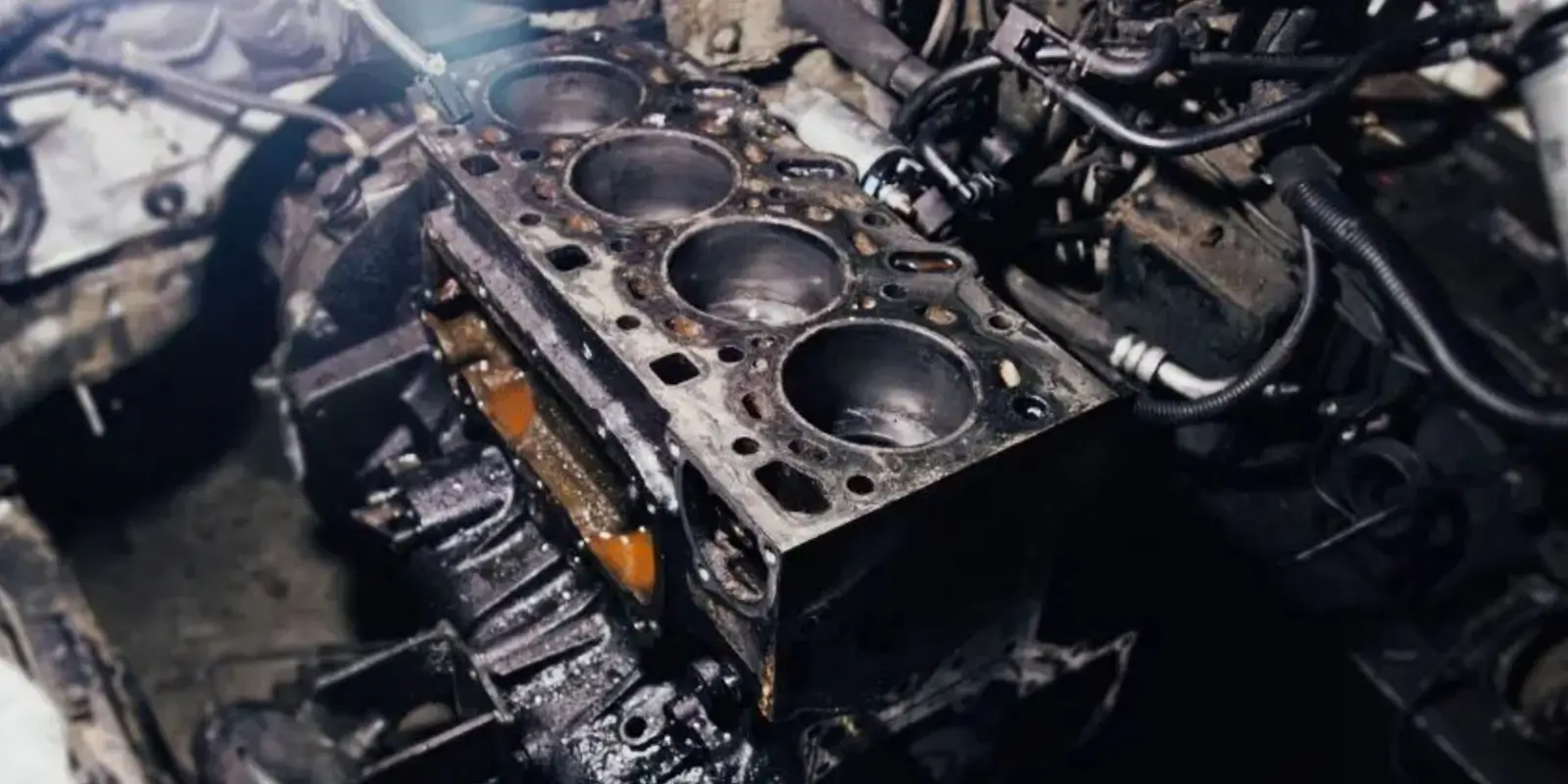
Mechanical issues are another significant factor that can lead to cylinder 4 misfires. Problems such as valve wear, piston ring failure, or even a blown head gasket can create conditions that prevent proper combustion. If a valve is not seating correctly due to wear or debris, it can lead to a loss of compression in that cylinder, making it difficult for it to fire at all. In my experience, vehicles that have been subjected to overheating – whether due to a cooling system failure or prolonged operation under heavy load – are at a higher risk for such mechanical failures.
Environmental factors also play a role in the occurrence of misfires. For instance, extreme temperatures can affect engine performance and exacerbate existing issues. In colder climates, fuel may not vaporize as efficiently, leading to difficulties in starting and running smoothly. Conversely, high temperatures can lead to vapor lock or fuel boiling, particularly in older vehicles with less advanced fuel management systems.
Moreover, the electrical system’s health should not be overlooked. A weak battery or poor connections can lead to inconsistent power delivery to the ignition system, which can ultimately affect performance. In vehicles where aftermarket modifications have been made, such as upgraded audio systems or additional lighting, the electrical load may exceed what the system was designed to handle, causing further complications.
Symptoms of a cylinder 4 misfire can vary significantly. Drivers may notice rough idling, reduced power during acceleration, or even an unusual exhaust smell. In some cases, the vehicle may exhibit more severe symptoms, such as stalling or difficulty starting. In many instances, these symptoms can lead to a check engine light illuminating on the dashboard, prompting further investigation. However, it’s critical to recognize that not all misfires signal catastrophic issues. Sometimes, they may be momentary and harmless, particularly if they occur under specific conditions, such as during cold starts.
Addressing a cylinder 4 misfire often requires a systematic approach. A thorough diagnostic scan can provide insights into the specific nature of the misfire and any related trouble codes. From there, visual inspections of the ignition components, fuel delivery system, and overall engine condition can help narrow down the cause. In my experience, it’s often beneficial to start with the simplest solutions, such as replacing spark plugs and inspecting ignition coils, before delving deeper into potential mechanical failures.
One common oversight in diagnosing misfires is the tendency to overlook the impact of fuel quality. Using low-quality fuel can lead to deposits forming in the combustion chamber, which can affect how well the engine runs. Regular use of fuel system cleaners can help mitigate this issue, but it’s critical to ensure that the vehicle is operated within the manufacturer’s specifications for fuel grade.
In some scenarios, misfires can also be exacerbated by changes in driving habits or conditions. For example, if a vehicle that typically operates under light loads suddenly begins to be used for towing or carrying heavier loads, this can strain the engine and bring underlying issues to the forefront. Similarly, extended periods of stop-and-go driving can lead to overheating and exacerbate existing ignition or fuel delivery problems.
It’s essential to consider the cumulative effects of neglecting a cylinder 4 misfire. While it may seem like a minor issue initially, if left unaddressed, it can lead to more significant problems down the line. Increased fuel consumption, for instance, is a common consequence of misfires, as the engine struggles to maintain optimal performance. Over time, this can lead to a decline in fuel economy, resulting in higher operating costs for the vehicle owner.
The P0304 code indicating a cylinder 4 misfire is a multifaceted issue that can arise from various factors, each interlinked in the intricate operation of an engine. From fuel delivery to ignition and mechanical integrity, each component plays a vital role in ensuring smooth engine operation. Recognizing the symptoms and understanding the underlying causes can help diagnose and address misfires before they escalate into more significant problems. A proactive approach to vehicle maintenance, coupled with a keen awareness of driving conditions and habits, can go a long way in preserving engine health and performance.