The engine coolant temperature (ECT) sensor plays a crucial role in modern automotive engines, providing data essential for optimal engine performance. When a vehicle’s onboard diagnostics system registers a P0118 code, indicating high input from the ECT sensor, it raises immediate concerns about the engine’s operation and overall health.
In my years of experience working on various makes and models, I’ve encountered this issue multiple times. The ECT sensor is typically located near the thermostat housing or cylinder head, where it can accurately gauge the temperature of the coolant circulating through the engine. This data is vital for the engine control unit (ECU) to adjust fuel mixture, ignition timing, and other parameters. When the ECT sensor reports excessively high temperatures, it can lead to a cascade of problems.
One of the first things to consider is the sensor’s condition. High input readings can often be attributed to a faulty sensor. Over time, exposure to heat and vibration can degrade the sensor’s components, leading to erratic readings. In my experience, sensors that have been in service for several years are particularly susceptible to failure, especially in vehicles that operate in harsh conditions, such as extreme temperatures or heavy loads.
Another common issue involves the wiring and connectors associated with the ECT sensor. Corrosion, fraying, or loose connections can all contribute to high input errors. I have seen cases where a simple visual inspection revealed damaged wiring that, when repaired, resolved the issue. However, it’s not always that straightforward. In some cases, the wiring harness may have suffered from heat exposure, leading to internal damage not visible during a routine inspection. This type of failure can cause intermittent problems that are challenging to diagnose.
The coolant itself can also be a factor. Contaminated or degraded coolant can affect the sensor’s ability to provide accurate readings. In vehicles with neglected cooling systems, I have observed that sediment and debris can build up around the sensor, insulating it from the actual coolant temperature. This can lead to false high readings. Regular maintenance of the cooling system is essential to prevent such situations, as it ensures that the coolant remains clean and effective.
Temperature fluctuations can also impact the ECT sensor’s performance. For instance, if the vehicle is subjected to rapid changes in temperature, such as during a quick warm-up or cool-down, the sensor may not respond accurately. In heavy-duty applications, where engines operate under varying loads and speeds, this can become a significant issue. The sensor is designed to operate within specific temperature ranges, and extreme conditions can push it beyond its limits.
When diagnosing a P0118 code, it is essential to consider the broader context of the vehicle’s operation. A malfunctioning ECT sensor can lead to a range of symptoms, including poor fuel economy, rough idling, and increased emissions. In some instances, the ECU may enter a failsafe mode, which can limit engine performance and driveability. I’ve seen vehicles that exhibit these symptoms become frustrating for owners, often leading them to believe they have a more severe engine issue.
Another consideration is the relationship between the ECT sensor and the thermostat. A stuck thermostat can prevent the coolant from flowing properly, leading to overheating. In these cases, the ECT sensor may register high temperatures not due to a sensor fault but rather as a reflection of the engine’s actual condition. This scenario highlights the importance of a comprehensive diagnostic approach.
In addition to these mechanical issues, software glitches within the ECU can also lead to high input codes. While less common, I have encountered situations where a simple software update resolved persistent ECT sensor issues. This emphasizes the importance of keeping the vehicle’s software current, as manufacturers often release updates to address known issues or improve system performance.
It’s also worth noting that while a high input reading can indicate a malfunction, it does not always signify a catastrophic failure. In some scenarios, the system may temporarily register high values due to sensor noise or fluctuations during engine start-up. These instances can be benign and resolve themselves as the engine stabilizes. However, if the high input persists, it warrants further investigation.
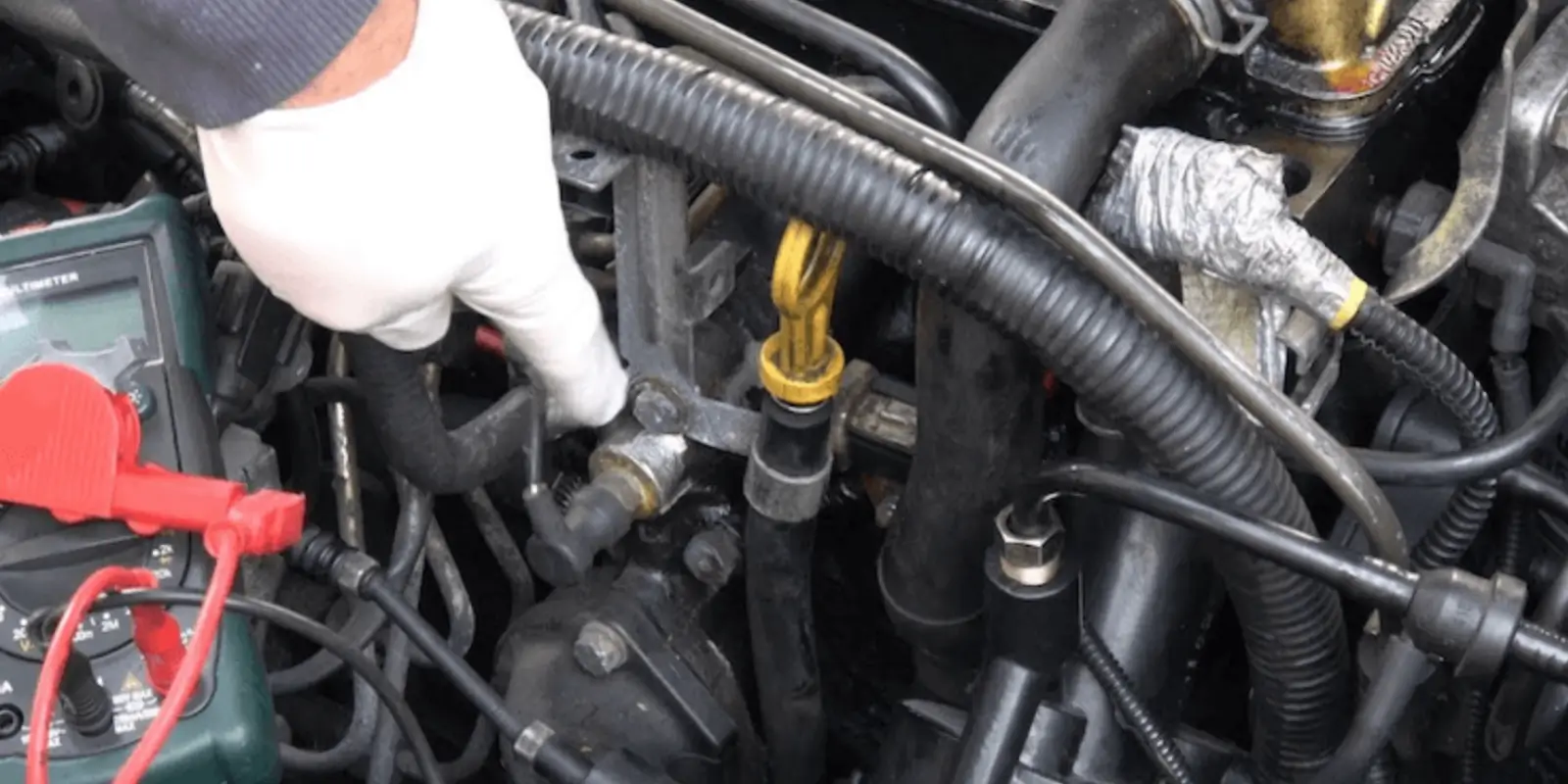
In my field experience, I’ve developed a list of practical steps for addressing high input readings from the ECT sensor. First, I recommend conducting a thorough visual inspection of the sensor, wiring, and connectors. Look for signs of wear, corrosion, or damage. Next, using a multimeter, check the resistance of the sensor at various temperatures to ensure it operates within specifications. This can help confirm whether the sensor is functioning correctly.
If the sensor appears to be in good condition, the next step is to examine the wiring harness for continuity and any potential shorts. It’s also wise to check the coolant quality and level. If contamination is suspected, a coolant flush may be necessary to restore proper function.
Finally, if all hardware checks out, consider updating the ECU software. This step can sometimes resolve issues arising from outdated programming that may not accurately interpret sensor data.
High input readings from the ECT sensor can stem from a variety of factors, including sensor failure, wiring issues, coolant condition, and even software problems. Each case requires careful diagnosis to determine the root cause. With the right approach and attention to detail, many of these issues can be resolved without extensive repairs, allowing the vehicle to return to reliable operation. As always, maintaining the cooling system and being vigilant about sensor health can help prevent these problems from arising in the first place.