In my years working on a variety of vehicles, the water pump has emerged as a critical yet often overlooked component of the engine cooling system. A properly functioning water pump ensures that coolant circulates effectively through the engine and radiator, maintaining optimal operating temperatures. However, when the water pump begins to fail, the consequences can be dire, leading to overheating and potential engine damage. I’ve encountered several common symptoms that indicate a failing water pump, as well as specific conditions under which these failures typically arise.
One of the first signs of a failing water pump is a coolant leak. This leak often manifests as a puddle of coolant forming under the vehicle. The source can be traced back to the water pump itself or the hoses connected to it. Given that the pump is under constant pressure, small cracks or deteriorated seals can develop over time, particularly in older vehicles or those that have seen extreme temperature fluctuations. The leaks can be subtle at first, sometimes appearing only after the vehicle has been parked for a while, making it easy to overlook until significant coolant loss occurs.
Another observable symptom is a noticeable increase in engine temperature. When the water pump fails to circulate coolant effectively, the engine can quickly reach dangerous temperatures. In my experience, this is often exacerbated during high-load conditions, such as towing or driving in mountainous terrain. Drivers may notice the temperature gauge creeping into the red zone, prompting immediate concern. It’s crucial to address this symptom promptly; prolonged overheating can lead to warped cylinder heads or a blown head gasket, both of which are costly issues to repair.
Unusual Noises and Vibrations
Unusual noises can also indicate a failing water pump. A grinding or whining sound coming from the engine bay often suggests that the bearings within the pump are wearing out. This deterioration can result from age or from the pump being subjected to excessive heat or load. In some cases, the noise might be accompanied by vibrations that can be felt through the engine mounts. These vibrations indicate that the pump is no longer operating smoothly, which can lead to further mechanical failure if left unchecked.
Temperature Fluctuations and Engine Performance
Temperature fluctuations may also occur, where the engine temperature rises and falls unexpectedly. This can be particularly alarming for drivers, as it suggests that the cooling system is not functioning properly. In my experience, this symptom often arises during extended idling or stop-and-go traffic, where the water pump may struggle to circulate coolant effectively due to insufficient airflow. Such fluctuations can impact engine performance, leading to reduced power output and efficiency.
One of the less obvious signs of water pump failure is the presence of steam or coolant vapor. This symptom often indicates that the coolant is boiling due to excessive engine temperature, which can result from a malfunctioning pump. When coolant vapor escapes from under the hood, it not only signals a potential overheating situation but also poses a risk of burns to anyone working in the area. This symptom should never be ignored, as it typically indicates significant issues within the cooling system.
Impacts of Operating Conditions
The conditions under which a vehicle operates can significantly influence the likelihood of water pump failure. High temperatures, such as those experienced in hot climates or during summer months, can accelerate wear on the pump. Additionally, vehicles that regularly operate under heavy loads, such as commercial trucks or those used for towing, are more susceptible to pump failure. In these scenarios, the increased strain can lead to premature failure of not just the water pump but other related components, such as hoses and the radiator.
I’ve also observed that vehicles with a history of poor maintenance are more likely to experience water pump issues. Neglecting regular coolant changes or allowing the coolant to become contaminated can lead to corrosion and buildup within the cooling system. This not only affects the water pump but can also lead to blockages that impede coolant flow, creating a vicious cycle of overheating and mechanical failure.
Diagnosis and Observations
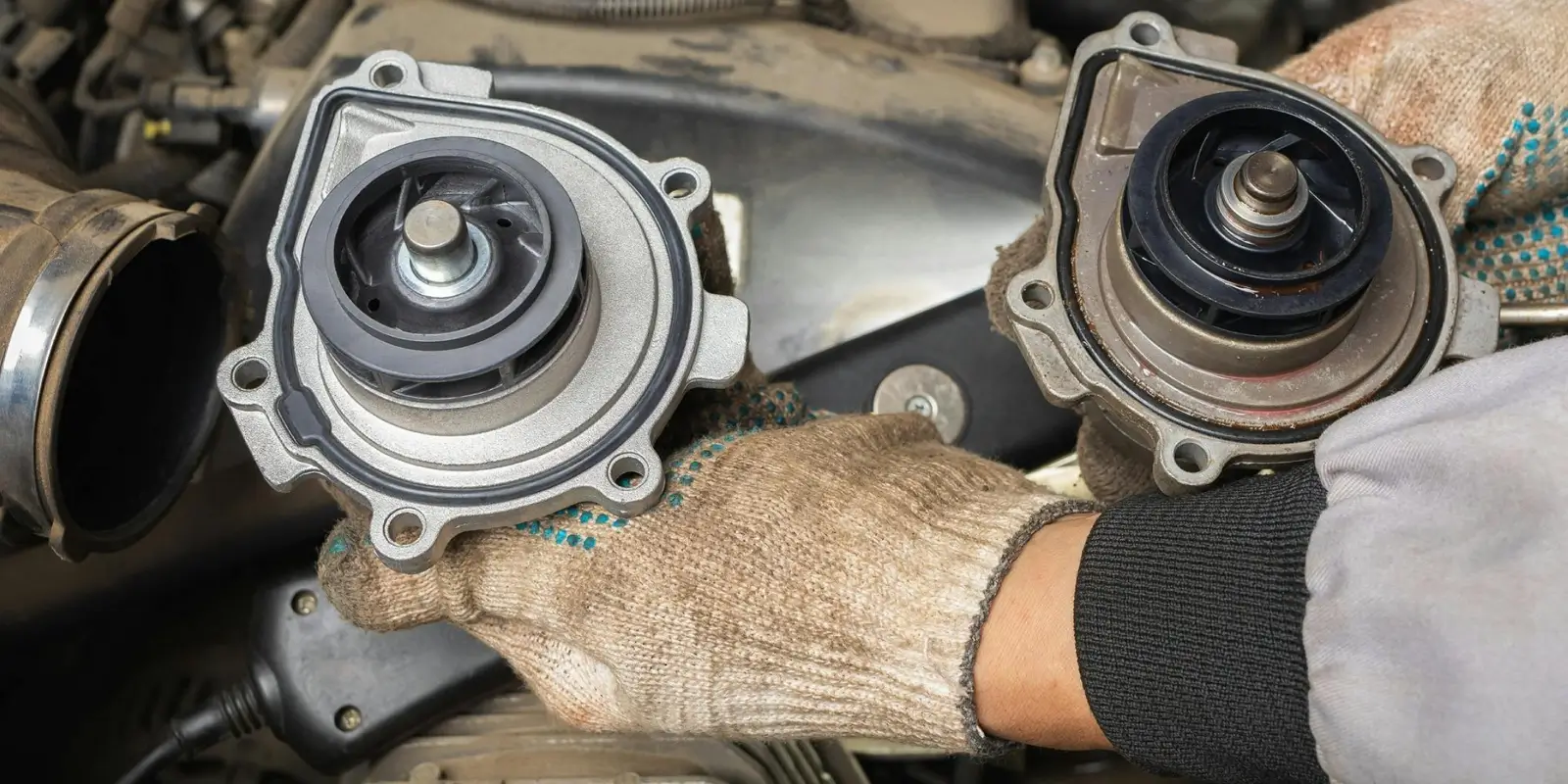
Diagnosing a failing water pump can sometimes be straightforward. Visual inspections can reveal leaks or corrosion. However, in some cases, the symptoms may be less apparent. For instance, a vehicle may exhibit overheating without visible leaks, leading to confusion. In such instances, it’s essential to check the coolant level and examine the condition of hoses and clamps. A malfunctioning thermostat can also mimic water pump issues, so thorough diagnostic work is critical.
In my experience, the most effective approach is to monitor the vehicle’s behavior over time. Keeping an eye on temperature readings, listening for unusual noises, and being vigilant about coolant levels can help catch problems early. Regular maintenance is vital; replacing the water pump as part of a comprehensive cooling system service can prevent more serious issues down the road. Manufacturers often recommend replacement intervals for water pumps based on mileage, but environmental factors and driving conditions should also be taken into account.
Second-Order Effects of Water Pump Failure
The failure of a water pump does not occur in isolation; it can trigger a cascade of secondary problems. For example, if the engine overheats due to a failed pump, the resulting thermal stress can warp engine components, leading to costly repairs. Additionally, overheating can cause oil degradation, which compromises lubrication and increases wear on critical engine parts. The cumulative effect of these failures can result in significant downtime and repair expenses.
Furthermore, the water pump’s failure can also impact other systems within the vehicle. For instance, many vehicles use the water pump to drive the heater core. A malfunctioning pump can lead to inadequate cabin heating, which is particularly problematic in colder climates. This interconnectedness of systems underscores the importance of maintaining the water pump in good working condition.
In summary, recognizing the symptoms of a failing water pump can be crucial in preventing more extensive mechanical issues. From coolant leaks to overheating and unusual noises, these signs serve as warnings that should not be ignored. Understanding the conditions that lead to water pump failure and the potential second-order effects can aid in making informed decisions about maintenance and repairs. In the world of automotive mechanics, a proactive approach to the water pump can save significant time, money, and stress in the long run.