Overheating in passenger vehicles is a prevalent issue that can lead to significant engine damage if not addressed promptly. As an automotive expert with years of hands-on experience, I’ve encountered this problem in various makes and models, often under different driving conditions. Understanding the common causes of overheating can help in diagnosing the problem effectively.
A vehicle’s cooling system is designed to maintain optimal engine temperatures. When it fails, the consequences can be severe. The cooling system primarily consists of the radiator, water pump, thermostat, and coolant. Each component plays a crucial role in regulating engine temperature. If any part of this system malfunctions, it can lead to overheating.
One of the most frequent culprits is a low coolant level. This can occur due to leaks in hoses, the radiator, or even the engine block. In many instances, I have found that the coolant reservoir cap is not sealed properly, allowing coolant to escape. This issue often goes unnoticed until the engine begins to run hot, especially during long drives or in heavy traffic where the engine is under continuous load.
Another common issue is a malfunctioning thermostat. The thermostat regulates the flow of coolant through the engine and radiator. If it sticks in the closed position, coolant cannot circulate, leading to overheating. I’ve seen many vehicles with this problem, particularly older models where the thermostat may have corroded over time. The symptoms often include a sudden rise in temperature gauge readings, which can be alarming for drivers.
The water pump is another critical component that can fail, often without much warning. It is responsible for circulating coolant throughout the engine and radiator. A defective water pump can lead to inadequate coolant flow, resulting in engine overheating. In my experience, the bearings in the water pump can wear out, causing the pump to lose its effectiveness. This failure is sometimes accompanied by a noticeable leak under the vehicle, which can be a warning sign for attentive owners.
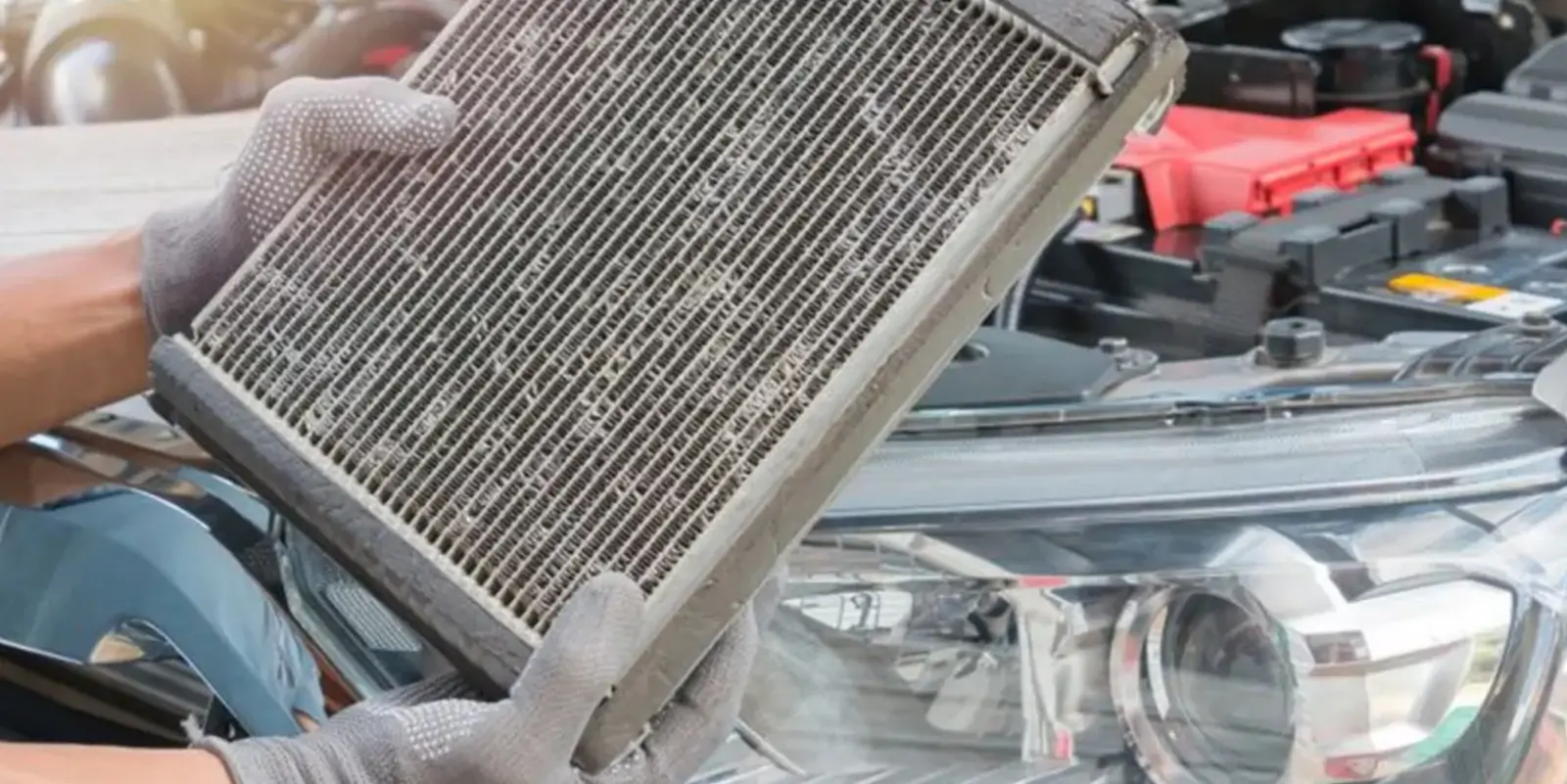
Radiator blockages are also a significant contributor to overheating. Over time, debris and corrosion can accumulate within the radiator, impeding the flow of coolant. I have come across vehicles where the owner had no idea that their radiator was partially clogged, resulting in inefficient cooling. This issue is often exacerbated by the use of low-quality coolant or neglecting to flush the cooling system regularly.
Fan failures can also lead to overheating, especially in vehicles equipped with electric fans. These fans are designed to activate when the engine reaches a certain temperature. If a fan motor fails or if the fan relay is faulty, the engine can overheat, particularly in stop-and-go traffic conditions. In some cases, I’ve seen fans that fail to engage due to a blown fuse, which is often overlooked during routine checks.
In certain situations, external factors can also contribute to overheating. For example, driving in extreme heat or towing heavy loads can place additional strain on the engine and cooling system. I have witnessed many instances where drivers, unaware of the limitations of their vehicle, push their engines too hard, leading to overheating. Understanding the vehicle’s capacity and respecting its limits is crucial in these scenarios.
While some overheating symptoms can indicate minor issues, others can signal more severe problems. For instance, a vehicle that routinely overheats may have a blown head gasket. This failure can lead to coolant mixing with engine oil, creating a milky substance that can be detrimental to engine health. I’ve encountered cases where a simple overheating issue escalated into a costly engine rebuild due to a blown gasket.
Another potential issue is a cracked engine block. This is less common but can occur, particularly in older vehicles or those that have been poorly maintained. A cracked block can lead to significant coolant loss and engine damage. In my experience, the signs of a cracked block can include visible coolant leaks and unusual engine noises, which should never be ignored.
When diagnosing an overheating issue, it is essential to consider the vehicle’s history and maintenance records. Regular maintenance can prevent many of the problems associated with overheating. For example, changing the coolant at recommended intervals and inspecting the cooling system components can help avoid unexpected failures.
It’s also worth noting that some vehicles are more prone to overheating than others. For instance, sports cars or high-performance vehicles often run hotter due to their design and power output. In these cases, owners should be especially vigilant about cooling system maintenance and consider upgrades if they frequently operate under high-stress conditions.
In summary, overheating is a multifaceted problem that can arise from various factors, including coolant levels, thermostat functionality, water pump efficiency, radiator condition, and fan operation. Each component plays a vital role in keeping the engine within optimal temperature ranges. As I have observed throughout my career, timely diagnosis and repair can prevent minor overheating issues from escalating into significant engine damage.
Drivers should remain attentive to their vehicle’s temperature gauge and any unusual behavior. Ignoring these warnings can lead to severe consequences. Regular maintenance and a proactive approach to vehicle care are essential to ensure a long and trouble-free engine life. Ultimately, understanding the signs and symptoms of overheating can empower drivers to take action before it results in costly repairs.