The cooling system in an automotive vehicle is a critical component, tasked with managing engine temperatures under a range of operating conditions. Over the years, I have encountered various issues that can arise within this system, which can lead to performance degradation, overheating, or even catastrophic engine failure. Understanding these common challenges can help in maintaining the longevity and efficiency of the cooling system.
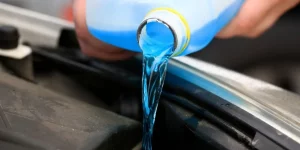
When discussing the cooling system, it’s essential to consider the role of coolant. This fluid circulates through the engine, absorbing heat and transferring it to the radiator where it dissipates. Over time, the coolant can become contaminated or lose its effectiveness due to the breakdown of its chemical properties. Regular flushing and replacement of the coolant are necessary to prevent issues such as corrosion or scale buildup within the system.
Signs of Cooling System Problems
One of the more common indicators of a cooling system issue is the presence of an overheating engine. This can manifest as increased temperature readings on the gauge or, in some cases, visible steam from under the hood. While these symptoms can indicate a low coolant level, they may also point to other problems such as a failing thermostat, a malfunctioning water pump, or a clogged radiator. Each of these components plays an integral role in the overall effectiveness of the cooling system.
In my experience, I have often found that the water pump is a frequent point of failure. It is responsible for circulating coolant through the engine and radiator. When a water pump begins to fail, it may produce a whining or grinding noise, indicating wear on the bearings. A failed pump can lead to inadequate coolant flow, resulting in overheating. Regular inspection of the pump for leaks or unusual noises can help catch this issue early.
Understanding Coolant Types and Their Importance
The type of coolant used in a vehicle is another aspect that should not be overlooked. There are various formulations available, including traditional green antifreeze and newer long-life coolants that may be orange or yellow. Each type has specific properties and service intervals. Using the wrong type of coolant can lead to incompatibilities that may cause gelling or reduced heat transfer efficiency. It is crucial to adhere to manufacturer specifications when selecting coolant for a vehicle.
In addition to the coolant itself, the condition of the hoses and connections is vital. Over time, rubber hoses can degrade, leading to leaks. I have seen many vehicles where the hoses appeared intact on the outside but were swollen or cracked internally. Regularly inspecting hoses for soft spots, bulges, or leaks can prevent unexpected failures. A sudden hose rupture can lead to rapid coolant loss and engine overheating, which can be detrimental to engine health.
Flushing the Cooling System: A Practical Perspective
Flushing the cooling system is a task that can yield significant benefits. If left unattended, old coolant can become acidic, which can corrode metal components within the system. A flush typically involves draining the old coolant, cleaning the system with a flushing agent, and refilling it with fresh coolant. While this process may seem straightforward, it’s important to consider the vehicle’s specific requirements. Some vehicles may have a more complex cooling system that requires special care during flushing to avoid trapping air pockets, which can lead to further overheating issues.
In my observations, I have noted that some vehicles are more prone to sediment buildup in the radiator, particularly those that have been operated in harsh conditions or with neglected maintenance. This sediment can restrict flow and reduce the cooling efficiency. A thorough flush can help clear this buildup, but it is crucial to ensure that the system is properly bled afterward to remove any air. Failing to do so can lead to localized overheating, as the trapped air can create hot spots within the engine.
Monitoring and Maintenance Practices
Regular monitoring of the cooling system is essential for preventing issues. This includes checking coolant levels, inspecting for leaks, and ensuring that the radiator cap is functioning correctly. An improperly sealed radiator cap can lead to coolant loss and reduced system pressure, which is critical for maintaining boiling points and preventing overheating. I have often found that a simple visual inspection can reveal many potential problems before they escalate into serious issues.
Moreover, the ambient temperature and driving conditions can have a significant impact on the cooling system’s performance. Vehicles used in stop-and-go traffic or in extreme temperatures may require more frequent inspections and maintenance. In some cases, auxiliary cooling fans may fail, leading to inadequate airflow through the radiator. Testing the fan operation regularly can help catch this problem before it leads to overheating.
In conclusion, the cooling system is subject to a variety of stresses that can lead to failure if not properly maintained. By keeping an eye on coolant quality, monitoring system integrity, and understanding the signs of trouble, drivers can ensure their vehicles remain reliable and efficient. While many issues can be managed with regular maintenance, it’s crucial to recognize when a symptom may indicate a deeper problem that requires further investigation. The cost of preventative maintenance is often far less than the expense associated with a major engine repair due to overheating.