Engine oil and transmission fluid are two crucial fluids that play distinct roles in the functioning of vehicles. While both are essential for maintaining performance and longevity, they serve different systems under varying conditions. In my years of working with various vehicles – ranging from passenger cars to commercial trucks – I have observed the nuances between these two fluids, particularly how they interact with their respective systems and the implications of using them incorrectly.
Engine oil primarily lubricates the internal components of an engine, ensuring smooth operation and minimizing wear under high temperatures and pressures. It circulates through the engine, reducing friction between moving parts, dissipating heat, and carrying away contaminants. Transmission fluid, on the other hand, is specifically formulated for the needs of the transmission system, whether it’s automatic or manual. It not only lubricates gears but also plays a critical role in hydraulic functions, enabling smooth shifting and ensuring that the transmission operates efficiently.
Properties and Composition
The composition of engine oil and transmission fluid reflects their different roles. Engine oil typically contains a blend of base oils and various additives designed to enhance its performance. These additives can include detergents, dispersants, anti-wear agents, and viscosity improvers. The viscosity of engine oil is crucial, particularly under varying temperature conditions. It must remain fluid enough to circulate quickly upon startup, yet thick enough to provide adequate protection once the engine reaches operating temperatures.
Transmission fluid, conversely, often has a different viscosity profile and contains additives tailored to its specific functions. Automatic transmission fluid (ATF) includes friction modifiers to facilitate smooth gear shifts and prevent slipping. It is also designed to withstand higher temperatures and to maintain its properties over a broader range of operational conditions compared to engine oil. The differences in chemical formulation mean that these fluids cannot be used interchangeably without risking serious damage to the vehicle’s systems.
Observations
One of the most common issues I have encountered is the inadvertent mixing of these two fluids. This often occurs during maintenance when a technician mistakenly uses engine oil in the transmission system or vice versa. The consequences can be severe. For instance, using engine oil in an automatic transmission can lead to slippage, overheating, and ultimately, transmission failure. The fluid’s inability to provide the necessary hydraulic pressure can disrupt the shifting mechanism.
In one instance, I worked on a fleet of delivery trucks that experienced erratic shifting issues. Upon inspection, it was discovered that the previous maintenance shop had mistakenly filled the transmissions with engine oil instead of the appropriate ATF. The result was a series of costly repairs and downtime for the fleet as the transmission components had to be replaced.
Conditions Affecting Fluid Performance
Both engine oil and transmission fluid are subject to degradation over time due to heat, load, and contamination. Engine oil is particularly susceptible to thermal breakdown, especially in high-performance applications where temperatures can soar. Inadequate oil change intervals can lead to sludge buildup, reducing the oil’s effectiveness in protecting engine components. Regular monitoring of oil levels and quality is essential, particularly in vehicles subjected to severe driving conditions, such as towing or frequent stop-and-go traffic.
Transmission fluid also degrades over time, though it often goes unnoticed until symptoms arise. Contaminants, such as metal particles from wear or moisture ingress, can compromise the fluid’s integrity. Symptoms of degraded transmission fluid can include delayed shifting, harsh engagement, or slipping. In my experience, many vehicle owners overlook the importance of regular transmission fluid changes, often leading to premature transmission failure.
Identifying Symptoms of Fluid Issues
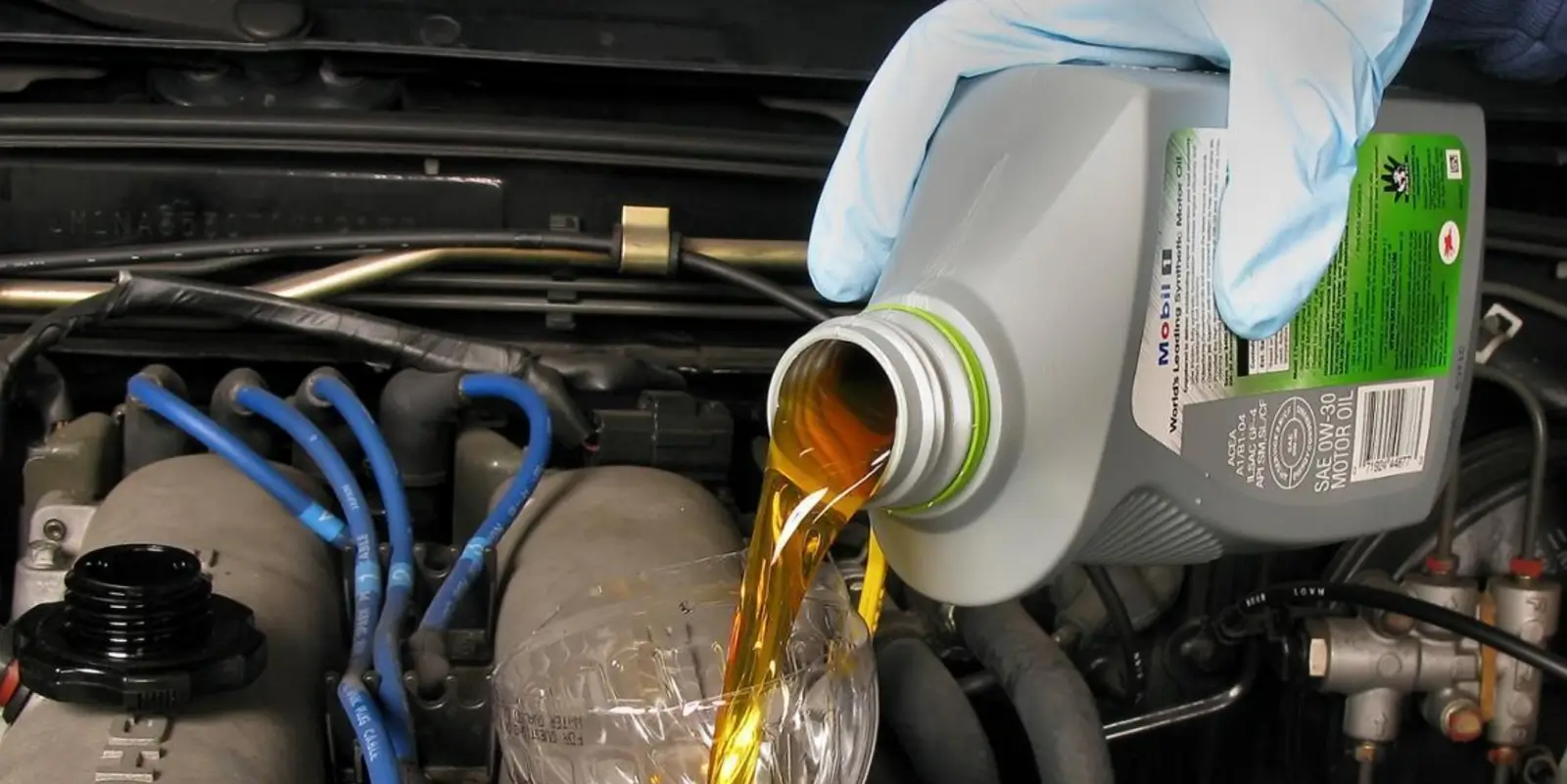
It is crucial to recognize the symptoms of fluid-related issues in both systems. For engine oil, signs of deterioration may include a noticeable increase in engine noise, a decrease in fuel efficiency, or the appearance of a check engine light. In contrast, transmission issues often present as shifting irregularities, unusual noises during gear changes, or fluid leaks. A careful examination of fluid color and consistency can also provide insights. Fresh engine oil typically has a clear amber color, while used oil may appear darker and more viscous. Transmission fluid, on the other hand, should be a bright red or pink hue; dark or burnt-smelling fluid can indicate a problem.
Preventative Measures and Maintenance
Understanding the differences between these fluids allows for better maintenance practices. Regular oil changes are a staple of vehicle upkeep. Engine oil should be replaced according to the manufacturer’s recommendations, often every 5,000 to 7,500 miles, depending on the oil type and driving conditions.
Transmission fluid changes are less frequently performed but are equally important. Many manufacturers recommend changing transmission fluid every 30,000 to 60,000 miles, but this can vary widely based on driving habits and vehicle usage. It is wise to consult the owner’s manual and adhere to the specified intervals. In my experience, proactive maintenance can significantly extend the life of both the engine and transmission.
Special Considerations for Different Vehicles
Different vehicles may have unique requirements based on their design and intended use. For example, high-performance engines may require synthetic oils that can withstand higher temperatures and provide better protection under stress. Similarly, heavy-duty trucks often use specialized transmission fluids that can handle the increased load and operational demands. Understanding these specifications is critical for anyone involved in vehicle maintenance, whether professionally or as an enthusiast.
The distinction between engine oil and transmission fluid is critical to the proper functioning of a vehicle. Misunderstanding these differences can lead to significant mechanical failures and costly repairs. As I have witnessed in various real-world scenarios, attention to detail in fluid selection, monitoring, and maintenance is essential for vehicle longevity and reliability. While both fluids serve different functions, their importance in the overall health of automotive systems cannot be overstated. Regular checks, adherence to maintenance schedules, and a clear understanding of each fluid’s role will help mitigate issues and enhance the driving experience.