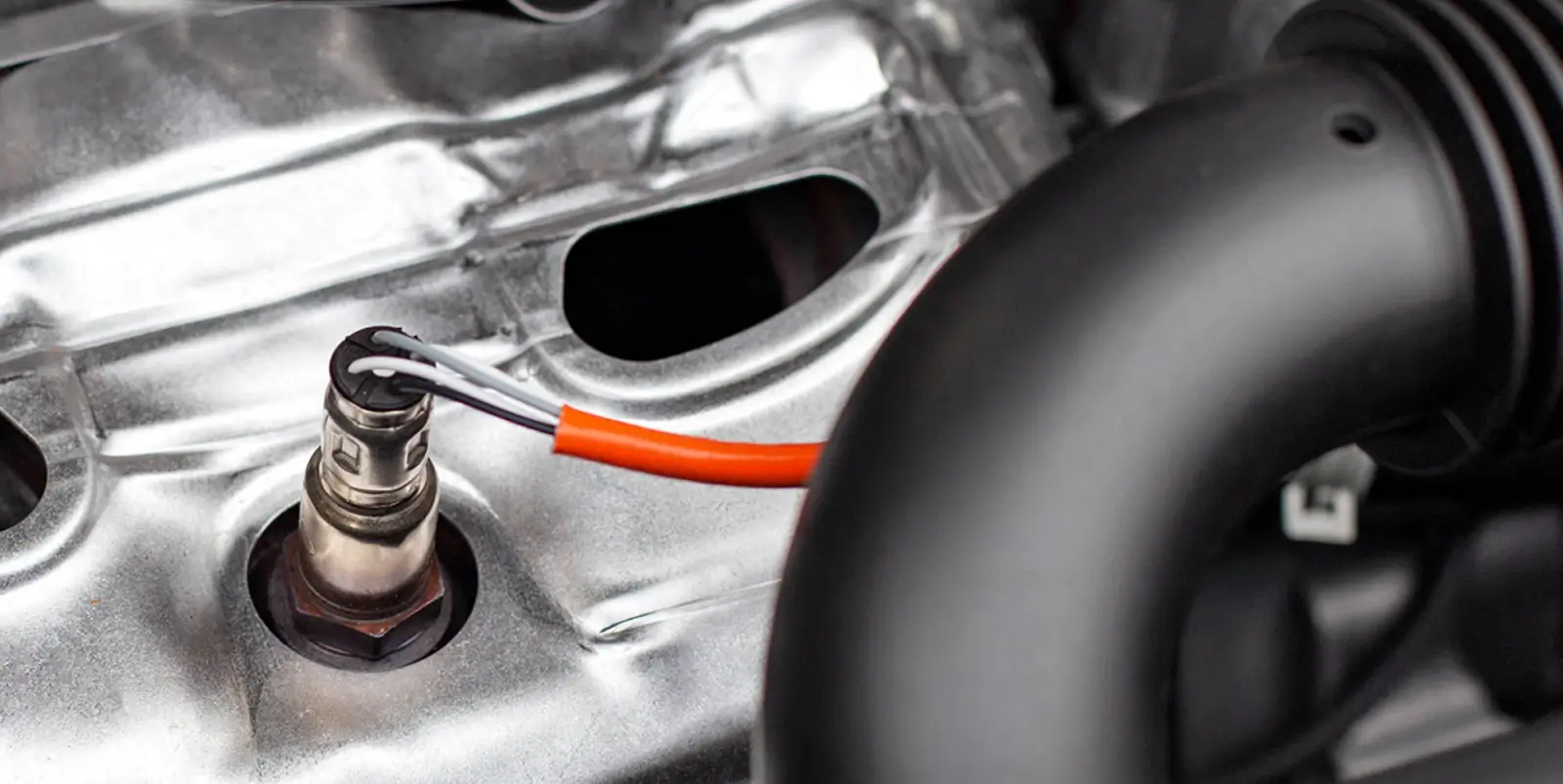
The oxygen sensor is a critical component in modern automotive emissions systems, playing a significant role in engine performance and efficiency. Over the years, I have encountered numerous vehicles where oxygen sensor issues were at the forefront of diagnostic challenges. The sensor’s primary function is to monitor the oxygen levels in the exhaust gases, providing feedback to the engine control unit (ECU) to optimize the air-fuel mixture. However, under various operational stresses – such as heat, load, and time – these sensors can fail, leading to a range of symptoms and potential engine performance issues.
In real-world scenarios, oxygen sensors generally operate under extreme conditions. They are often exposed to high temperatures, especially in the exhaust manifold, and vibrations from the engine and road. These factors can contribute to wear and tear, leading to sensor failure. One common observation is that the upstream oxygen sensor, located before the catalytic converter, tends to fail more frequently than the downstream sensor. This is likely due to its closer proximity to the combustion process, where it encounters hotter gases and more contaminants. The downstream sensor, while still subjected to harsh conditions, typically operates in a less aggressive environment.
Failures in oxygen sensors can manifest in various ways. A vehicle may exhibit poor fuel economy, rough idling, or increased emissions. In some cases, the check engine light will illuminate, prompting a diagnostic scan. Interestingly, not all check engine light activations indicate a faulty sensor. Sometimes, other underlying issues – such as a vacuum leak or exhaust leak – can create misleading readings that may lead to unnecessary sensor replacements. This highlights the importance of thorough diagnostics and understanding the vehicle’s broader context before jumping to conclusions.
Types of Oxygen Sensors and Their Vulnerabilities
There are generally two types of oxygen sensors used in vehicles: zirconia and titania. Zirconia sensors, which are the most common, generate a voltage signal based on the difference in oxygen concentration between the exhaust and ambient air. Titania sensors, on the other hand, change resistance based on oxygen levels and are less common in older vehicles. Each type comes with its own set of vulnerabilities. Zirconia sensors can become fouled by lead or silicon contamination, while titania sensors may suffer from resistance changes due to aging or thermal stress.
In my experience, one frequent issue is the buildup of carbon deposits on the sensor tip. This can occur in vehicles that frequently operate in short trip conditions, where the engine does not reach optimal operating temperature. The cooler exhaust gases can lead to incomplete combustion, resulting in carbon deposits that impair the sensor’s ability to accurately measure oxygen levels. This is often overlooked during routine maintenance checks, as the sensor may appear visually intact.
Diagnostic Challenges and Symptoms
The diagnostic process for oxygen sensor issues can be intricate. A common scenario is when a vehicle exhibits poor fuel economy. Technicians might initially suspect a fuel delivery problem or engine misfire. However, if the oxygen sensor is not functioning correctly, it may cause the ECU to enrich the air-fuel mixture unnecessarily, leading to increased fuel consumption. This scenario underscores the need for a comprehensive diagnostic approach that considers all variables.
Another symptom often associated with oxygen sensor failure is rough idling. A faulty sensor can send erratic signals to the ECU, resulting in improper fuel adjustments. This can lead to a noticeable roughness in engine operation, particularly during idle. In some cases, the vehicle may even stall. Such symptoms can mislead technicians into checking ignition components or fuel injectors first, delaying the correct diagnosis.
Environmental Factors and Sensor Lifespan
Environmental factors can significantly impact oxygen sensor lifespan. For instance, vehicles that operate in areas with high levels of sulfur compounds in the fuel or exhaust can experience premature sensor failure. Additionally, engines that burn oil or have excessive blow-by can introduce contaminants that degrade sensor performance. This is particularly relevant in older vehicles with worn engines, where oil consumption may increase, leading to more significant deposits on the sensor.
Heat is another critical factor. Oxygen sensors are designed to operate within specific temperature ranges. Prolonged exposure to excessive heat can lead to sensor burnout. In high-performance applications, where exhaust temperatures can exceed normal operating limits, this is a frequent concern. I have seen instances where aftermarket modifications, such as turbochargers or high-performance exhaust systems, inadvertently contribute to sensor failures due to increased thermal loads.
Replacement Considerations
When replacing an oxygen sensor, several factors should be considered to ensure long-term reliability. First, the quality of the replacement part is paramount. While aftermarket sensors can be cost-effective, they may not always meet OEM specifications. In my experience, using OEM sensors often results in better longevity and performance, particularly in vehicles with complex emissions systems.
Another consideration is the condition of the exhaust system. If a vehicle has a damaged catalytic converter or exhaust leaks, it can lead to erroneous readings from the oxygen sensor, causing premature failure. It is prudent to inspect the entire exhaust system before replacing a sensor to avoid recurring issues. In some cases, I have found that addressing underlying exhaust system problems can extend the life of a new sensor significantly.
Real-World Observations
During my years of working with various vehicles, I’ve noted several patterns regarding oxygen sensor failures. For instance, vehicles with higher mileage often show a tendency for both upstream and downstream sensors to fail within a short timeframe. This can be attributed to the cumulative effects of heat and contaminants over time. It’s not uncommon for a technician to replace one sensor, only to have the other fail shortly thereafter.
In terms of maintenance, I have also observed that regular oil changes and ensuring proper engine function can positively impact sensor life. Vehicles that are well-maintained tend to have fewer issues related to oxygen sensors, as they operate more efficiently and produce fewer harmful byproducts. This is a critical point, as many drivers overlook the importance of overall vehicle health in relation to emissions components.
Ultimately, while oxygen sensors are designed to be reliable, they are not immune to the rigors of automotive life. Understanding the conditions that lead to their failure, coupled with a comprehensive diagnostic approach, can save time and resources. The careful balance of engine performance, emissions control, and maintenance practices plays a vital role in ensuring these sensors function as intended over their lifespan.