Fuel filters are often overlooked components in the complex systems that keep a vehicle running smoothly. Yet, their role is crucial in ensuring that the fuel delivered to the engine is clean and free from contaminants. Contaminated fuel can lead to a myriad of problems, from reduced engine performance to complete failure. With years of experience in the automotive field, I have encountered numerous instances where a faulty or clogged fuel filter has led to significant engine issues.
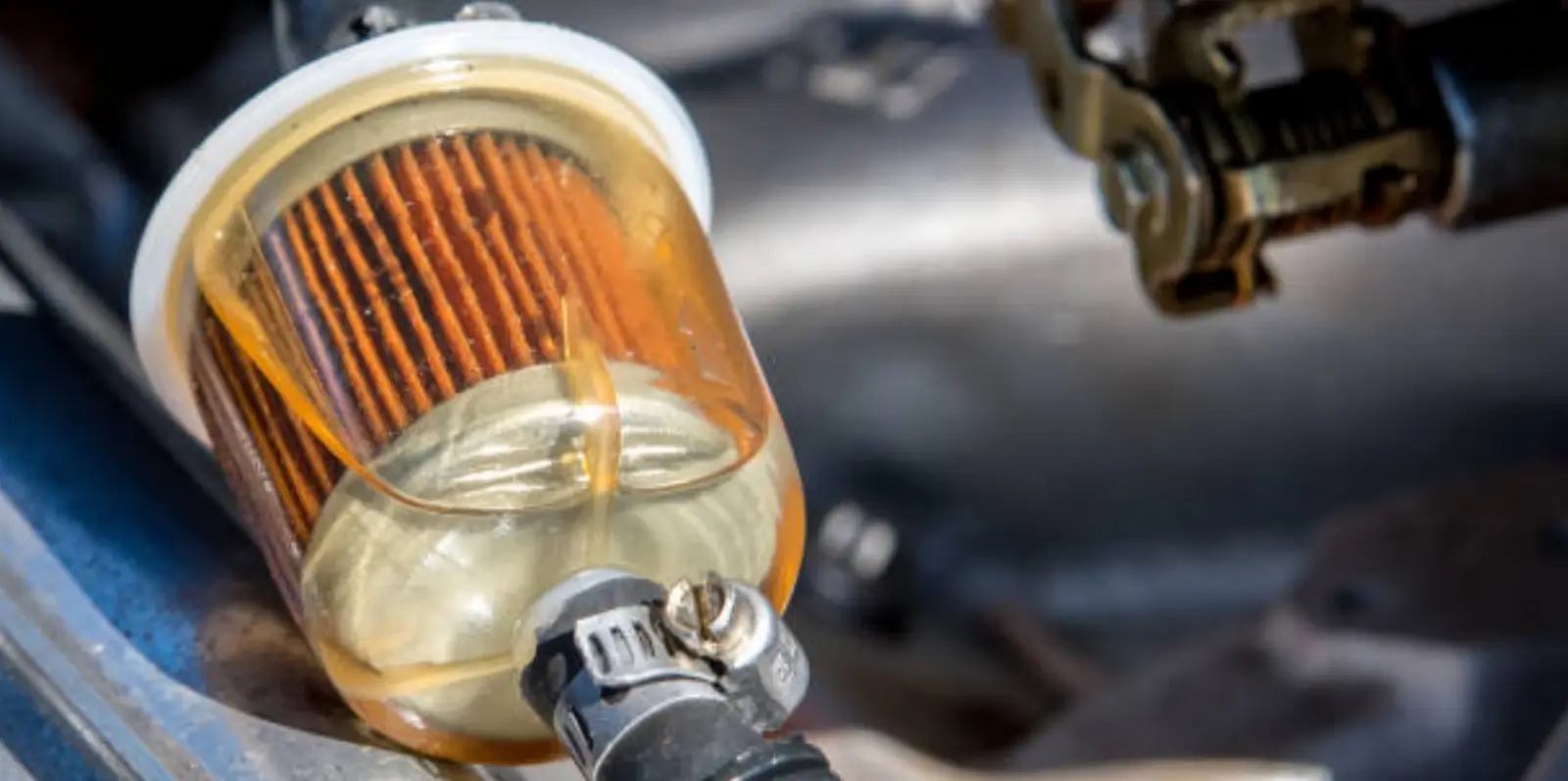
The primary function of a fuel filter is to remove impurities from the fuel before it reaches the engine. These impurities can include dirt, rust, and other debris that may have accumulated in the fuel tank or lines. When fuel is drawn from the tank, it passes through the filter, which traps these contaminants. This is vital because modern engines are designed with tight tolerances and rely on precise fuel delivery for optimal operation.
Over time, fuel filters can become clogged. This is particularly common in older vehicles or those that have experienced fuel contamination. When a filter is clogged, it restricts fuel flow, which can lead to poor engine performance, stalling, or even failure to start. In my experience, I have often seen vehicles that exhibit symptoms such as hesitation during acceleration or difficulty maintaining speed. These can often be traced back to a neglected fuel filter.
The environment in which a vehicle operates plays a significant role in the health of its fuel system. For example, vehicles that frequently drive on unpaved roads or in areas with poor fuel quality may experience faster degradation of their fuel filters. Similarly, high temperatures can exacerbate the problem, as heat can cause contaminants to break down into smaller particles that are more easily drawn into the fuel system. In some cases, these particles can even damage the injectors, leading to expensive repairs.
It’s important to note that while a clogged fuel filter can cause serious issues, there are instances where the symptoms may not indicate an immediate problem. For example, a slight decrease in performance might not warrant immediate replacement of the filter. However, if the vehicle exhibits more severe symptoms, such as sputtering or stalling, it’s a clear sign that the filter needs attention.
Regular maintenance can help mitigate many of these issues. Some manufacturers recommend changing the fuel filter at specific intervals, often around 30,000 to 100,000 miles, depending on the vehicle and operating conditions. However, in my observations, it is beneficial to assess the condition of the filter more frequently, especially if the vehicle has been subjected to harsh conditions or if there are noticeable performance changes.
Fuel filter failures can also have cascading effects on other components in the fuel system. For instance, if a filter becomes completely blocked, fuel pumps may work harder to pull fuel through, which can lead to premature wear and eventual pump failure. This not only results in additional repair costs but can also leave a driver stranded.
In addition to mechanical failure, fuel filters can also be affected by the type of fuel used. Poor-quality fuel can contain higher levels of contaminants that can quickly clog filters. In scenarios where vehicles are filled with low-grade or contaminated fuel, I have often found that filters degrade at an accelerated rate, necessitating more frequent replacements.
In my experience, the best approach is to remain observant of the vehicle’s performance and to conduct regular inspections of the fuel system. A simple visual inspection of the fuel filter can sometimes reveal signs of excessive dirt or damage that may require replacement. Furthermore, listening for unusual sounds from the fuel pump or noticing changes in fuel delivery can also provide critical early warnings.
Fuel filters, while small, play a significant role in the longevity and efficiency of an automotive engine. Understanding their function and maintaining them properly can prevent a range of issues that may otherwise lead to costly repairs. As vehicles continue to evolve with more sophisticated fuel systems, the importance of clean fuel delivery cannot be overstated. A well-maintained fuel filter not only protects the engine but also enhances overall vehicle performance, ensuring a smoother and more reliable driving experience.