In the realm of automotive maintenance, collapsed radiator hoses are a relatively common issue that can lead to overheating and other serious engine problems if not addressed promptly. Over the years, I have encountered this scenario in various vehicles – from passenger cars to commercial trucks – each time revealing a blend of mechanical stressors and material fatigue that contribute to this failure. It’s a phenomenon that can often be attributed to a combination of environmental factors, manufacturing quality, and maintenance practices.
Radiator hoses are designed to transport coolant between the engine and the radiator, allowing for efficient heat exchange. When these hoses collapse, it can restrict coolant flow, leading to overheating and potential engine damage. Understanding the underlying causes of hose collapse involves delving into the material properties, operational conditions, and common stressors that these components face.
Material Fatigue and Age
One of the most significant contributors to collapsed radiator hoses is the age of the hose itself. Over time, exposure to heat, pressure, and chemical degradation can weaken the rubber or synthetic materials used in hose construction. In my experience, hoses that are five to ten years old often begin to show signs of fatigue, especially if the vehicle has been subjected to extreme temperatures or has experienced frequent cooling system issues.
The rubber compounds in radiator hoses can harden, crack, or become brittle due to prolonged exposure to high temperatures and the corrosive properties of coolant. This degradation can lead to a loss of structural integrity, making the hose more susceptible to collapsing under suction created by the water pump during engine operation.
Improper Installation or Routing
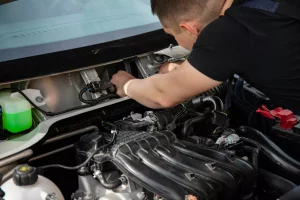
Another frequent cause of collapsed hoses stems from improper installation or routing during service. In some cases, a technician might inadvertently pinch a hose when reassembling components after maintenance, leading to a restricted path for coolant flow. Hoses that are not secured properly or are routed incorrectly can also be subjected to unnecessary stress or abrasion, which may not be immediately visible.
For instance, if a hose is too close to a heat source or is rubbing against a sharp edge, the wear can lead to localized weakening. I have witnessed instances where a poorly routed hose has collapsed due to repeated flexing and contact with other components, creating a situation where the hose can no longer maintain its shape under operational conditions.
Vacuum Conditions and Cooling System Pressure
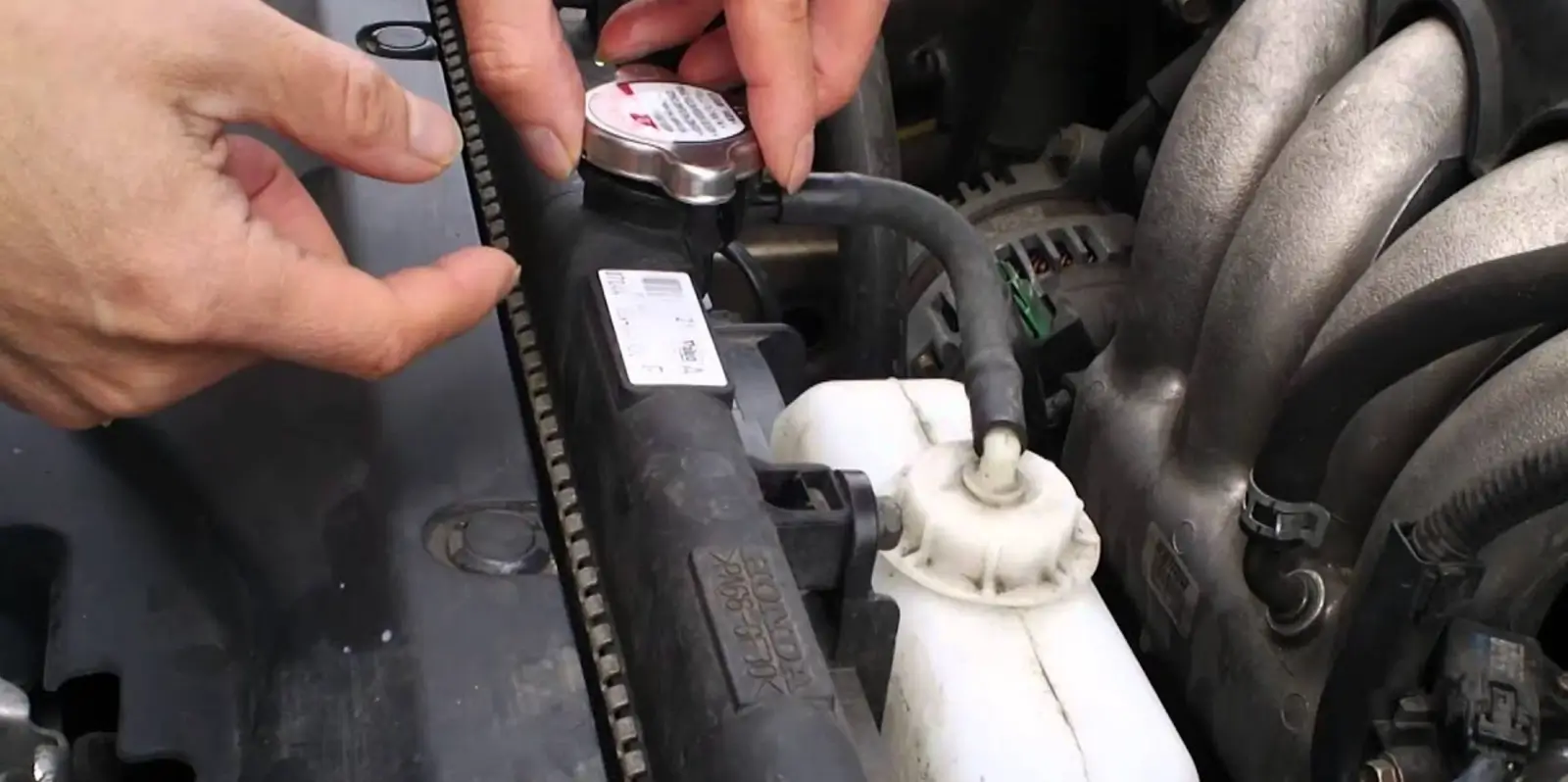
A less obvious but equally critical factor in hose collapse is the pressure and vacuum conditions within the cooling system. When the engine cools down, a vacuum can form in the cooling system as the coolant contracts. If the hose lacks adequate reinforcement or if there is a malfunctioning radiator cap, the vacuum can pull on the hose, causing it to collapse inward.
This issue often goes unnoticed until the symptoms manifest as overheating or coolant leaks. In my observations, vehicles with older cooling systems or those that have not had regular maintenance performed on their pressure caps are particularly prone to this problem. Ensuring that the pressure cap is functioning correctly and that the system is sealed can significantly mitigate the risk of hose collapse.
Environmental Factors
Environmental conditions also play a significant role in the longevity and performance of radiator hoses. Vehicles that operate in extreme climates – whether hot or cold – are likely to experience more rapid wear on their cooling system components. In hotter climates, the constant high temperatures can accelerate the degradation of the hose material. Conversely, in colder regions, hoses can become brittle and lose flexibility, increasing the likelihood of collapse during operation.
Furthermore, exposure to contaminants such as oil, coolant additives, or road debris can exacerbate the wear process. For instance, if a vehicle’s cooling system is contaminated with oil due to a leaking head gasket, the rubber in the hoses can swell or degrade more quickly, leading to premature failure.
Symptoms and Detection
Detecting a collapsed radiator hose before it causes severe damage to the engine is crucial. Common symptoms include visible kinks or bulges in the hose, unusual engine noises, or coolant leaks. Drivers may also notice that their vehicle is running hotter than normal or that the temperature gauge fluctuates unexpectedly.
In my experience, a visual inspection of the hoses during routine maintenance can often reveal early signs of trouble. Checking for cracks, soft spots, or areas that appear out of shape can provide valuable insight into the hose’s condition. Additionally, listening for hissing sounds or observing coolant pooling under the vehicle can indicate a problem with the cooling system that warrants further investigation.
Observations
I recall a case involving a fleet of delivery trucks that frequently operated under heavy load conditions. These vehicles were experiencing repeated radiator hose failures, leading to costly downtime. Upon investigation, it became clear that the combination of high ambient temperatures, heavy loads, and insufficient maintenance were contributing factors.
The hoses were not routinely inspected or replaced according to the manufacturer’s suggested intervals, and the coolant was not being flushed regularly. The result was a series of collapsed hoses that disrupted operations and increased repair costs. Implementing a more rigorous maintenance schedule and using high-quality replacement hoses resolved the issue, significantly reducing the incidence of failure.
Collapsed radiator hoses present a multifaceted challenge in automotive maintenance. They can be influenced by a variety of factors, including material fatigue, improper installation, vacuum conditions, and environmental stressors. While some symptoms may seem benign, the potential for serious engine damage makes it essential to address any signs of hose failure promptly. Regular inspections and adherence to maintenance schedules can help mitigate the risks associated with this common issue, ensuring that vehicles operate reliably under varying conditions.