Transmission control modules (TCMs) play a critical role in the operation of modern vehicles, particularly those equipped with automatic transmissions. These electronic components manage the shifting of gears based on various inputs from the vehicle’s sensors, ensuring smooth transitions and optimal performance. However, like any electronic system in a vehicle, TCMs can fail or exhibit symptoms that indicate trouble. From my years of hands-on experience, I’ve encountered several common signs that suggest a TCM may be malfunctioning.
One of the most noticeable symptoms is erratic shifting behavior. Drivers may experience harsh or delayed shifts, where the transmission seems to stumble when changing gears. This can happen for several reasons, but when the TCM is at fault, it usually stems from incorrect data processing. The module relies on information from sensors like the throttle position sensor and vehicle speed sensor. If the TCM receives inaccurate readings due to sensor failure or wiring issues, it may miscalculate when to shift. This can lead to a rough driving experience, as the vehicle struggles to find the right gear under various loads and speeds.
Another common symptom is the illumination of the check engine light. While this warning can indicate a multitude of issues, a malfunctioning TCM often triggers specific diagnostic trouble codes (DTCs) that relate to transmission performance. A vehicle’s onboard diagnostics system continuously monitors various components, and when the TCM detects an anomaly, it can set off the check engine light. In many cases, scanning the vehicle for DTCs will reveal codes directly linked to the transmission system, guiding technicians toward the TCM or its associated components.
Additionally, shifting may become entirely erratic, with the transmission stuck in a single gear, often resulting in limp mode. This is a protective measure implemented by the TCM to prevent further damage to the transmission. When the module detects a critical issue, it limits the vehicle’s performance to preserve the integrity of the system. While this can prevent immediate damage, it significantly hampers the vehicle’s drivability, leading to frustrating experiences for drivers.
Causes Behind TCM Malfunctions
The reasons behind TCM failures can vary widely. Environmental factors such as heat and moisture can play a significant role. TCMs are often located in areas of the vehicle where they are exposed to high temperatures, particularly in the engine bay. Over time, this heat can degrade the solder joints and electronic components within the module. In my experience, vehicles with high-performance engines or those that frequently operate under heavy loads are particularly susceptible to heat-related failures.
Moisture intrusion is another concern. TCMs are generally designed to withstand some exposure to the elements, but prolonged exposure to water or high humidity can lead to corrosion or short circuits. I’ve encountered cases where a simple seal failure allowed moisture to enter the TCM housing, resulting in erratic behavior or complete failure. This is often overlooked during routine vehicle inspections, yet it can lead to significant issues down the line.
Another factor to consider is the quality of electrical connections. Poorly connected or corroded wiring harnesses can create intermittent issues that mimic TCM failures. In some instances, the problem may not lie with the module itself but with the integrity of the connections leading to and from it. I’ve seen cases where a thorough inspection of the wiring and connectors revealed a simple fix, saving the vehicle owner from unnecessary replacement costs.
Real-World Scenarios and Observations
In real-world applications, the symptoms of a failing TCM can vary significantly based on the vehicle make and model. For instance, I have observed that certain manufacturers’ TCMs are more prone to failure under specific conditions. In some cases, vehicles equipped with continuously variable transmissions (CVTs) display more pronounced symptoms due to the unique way these transmissions operate. The TCM in a CVT must manage an array of variables in real time, and any hiccup in its operation can lead to noticeable performance issues.
I’ve also encountered instances where the TCM’s programming becomes outdated due to software issues. Manufacturers often release updates to improve performance or address known issues. Failing to keep the TCM’s software up to date can lead to suboptimal shifting patterns or even an inability to adapt to changing driving conditions. It’s advisable for vehicle owners to be aware of any recalls or updates related to their TCMs, as neglecting these can exacerbate existing problems.
Moreover, I’ve found that certain driving habits can influence TCM longevity. Aggressive driving, frequent hard acceleration, and abrupt braking can place additional stress on the transmission and its control module. In vehicles subjected to this type of driving, TCM failures may occur more frequently due to the added strain on the system. Conversely, vehicles driven gently and maintained properly tend to experience fewer issues, highlighting the importance of mindful driving habits.
Addressing TCM Issues
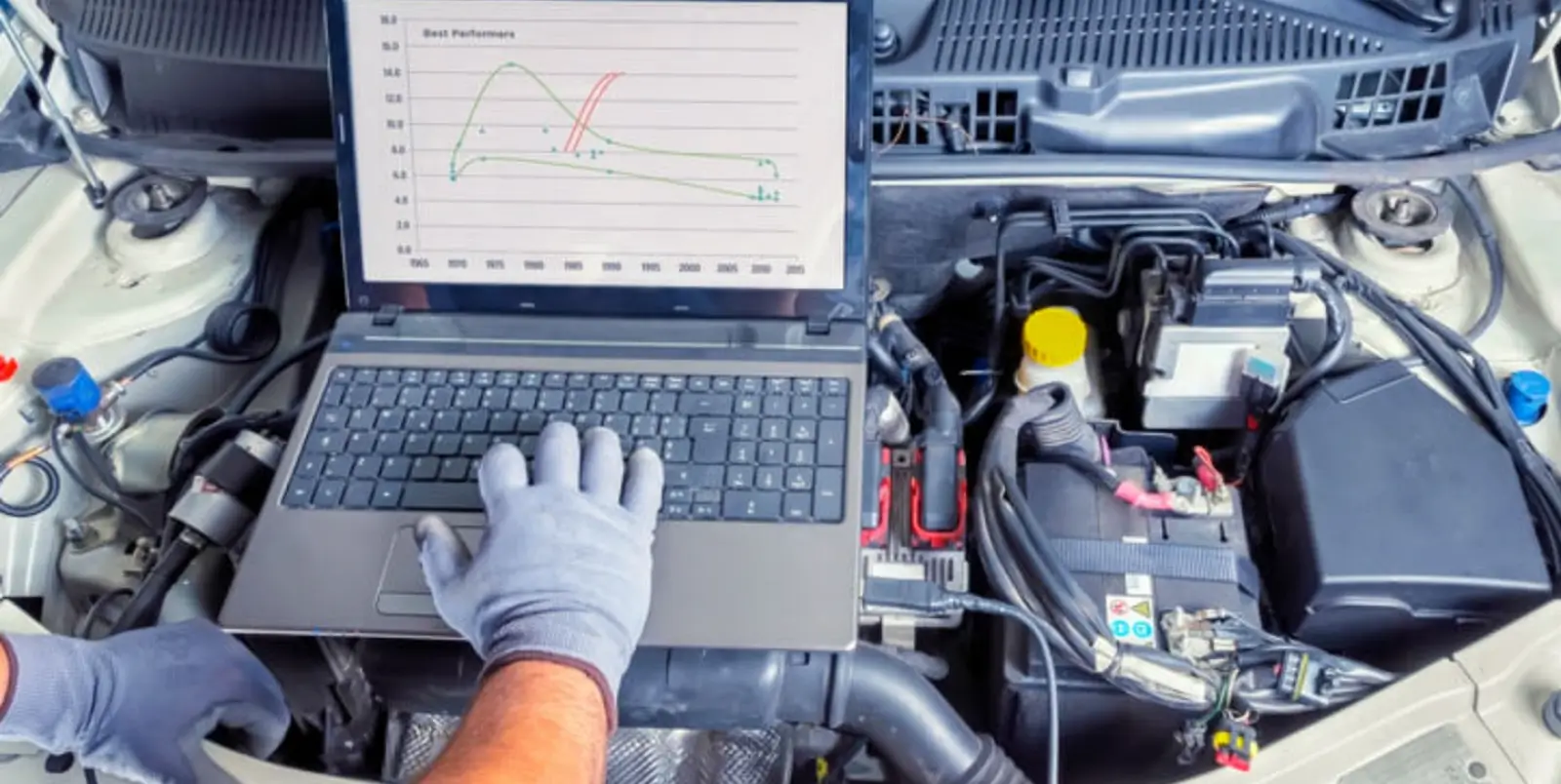
When diagnosing TCM-related problems, it’s essential to approach the issue methodically. A comprehensive scan of the vehicle’s diagnostic system is the starting point. This can identify fault codes related to the TCM and its associated sensors. Following that, a physical inspection of the TCM and its wiring is crucial. Checking for signs of corrosion, loose connections, or damaged harnesses can often reveal underlying issues that may not be immediately apparent.
If the TCM is determined to be the source of the problem, replacement may be necessary. However, it’s important to ensure that the new module is compatible with the vehicle and has the latest firmware installed. In some cases, reprogramming the new TCM to match the vehicle’s specifications is required for it to function correctly.
It’s also worth noting that in some instances, a TCM failure may be symptomatically similar to other issues, such as a failing transmission. Therefore, it’s essential to differentiate between a TCM problem and a mechanical failure within the transmission itself. A thorough inspection of the entire transmission system, including fluid quality and condition, can help clarify the root cause of the symptoms.
In summary, while TCM failures can present a range of symptoms that may be alarming to drivers, a systematic approach to diagnosis often leads to effective solutions. Awareness of the signs and underlying causes can help vehicle owners address issues before they escalate, ensuring the longevity and reliability of their transmission systems.