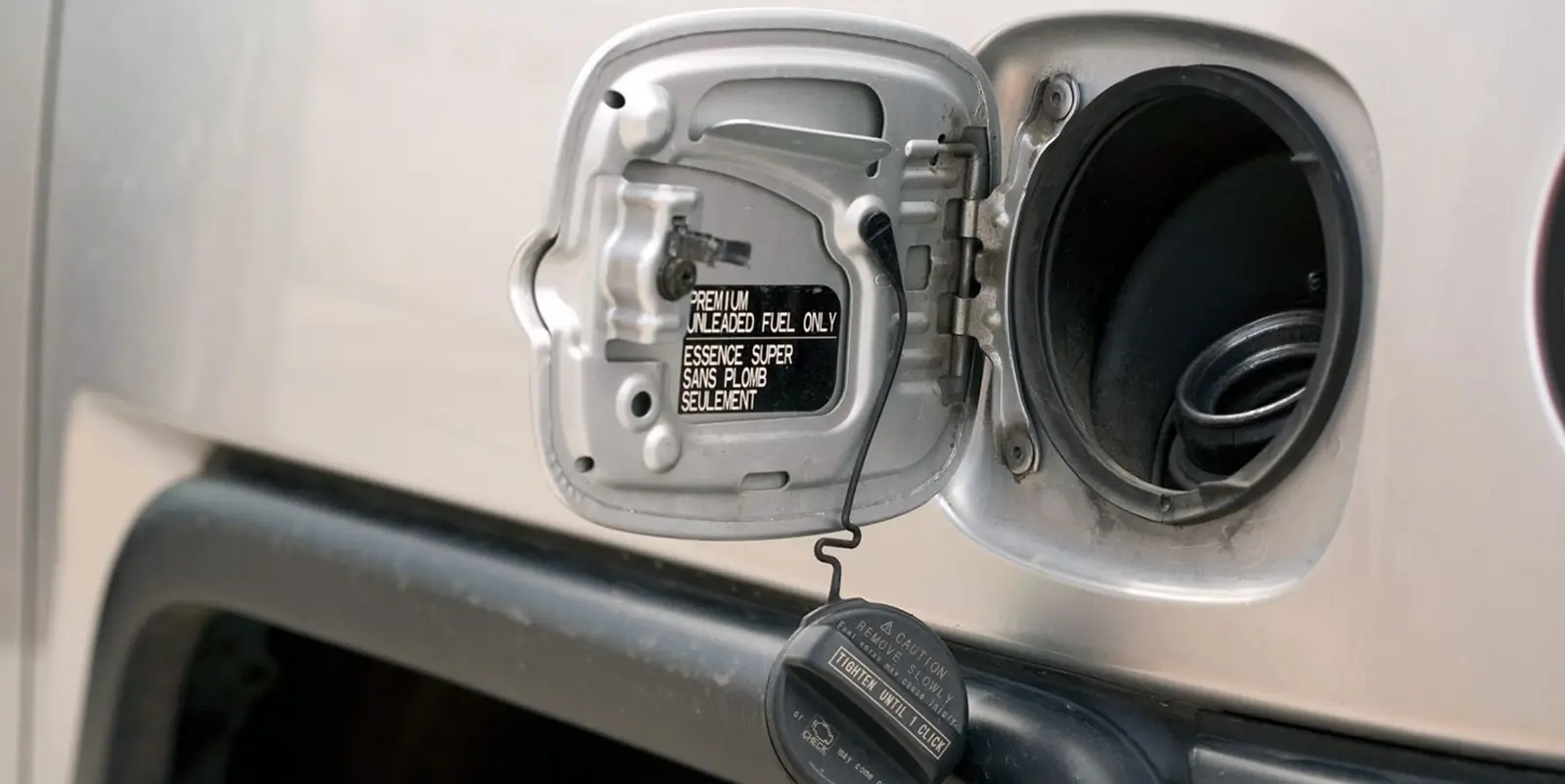
Adding sugar to a fuel tank is often discussed in the context of pranks or sabotage. However, the real implications of this act are far more serious and can lead to significant mechanical issues. Having encountered the aftermath of sugar contamination in fuel systems multiple times, it’s essential to understand the consequences in a practical automotive context.
When sugar is introduced into a gasoline tank, the first question that arises is whether it dissolves in fuel. Contrary to popular belief, sugar does not dissolve in gasoline. Instead, it remains as a solid substance. This characteristic leads to a range of complications in the fuel delivery system. The sugar can clump together and create a viscous sludge, which can easily clog fuel filters.
Fuel filters are designed to trap contaminants and ensure that only clean fuel reaches the engine. However, when sugar is present, the filter can become overwhelmed quickly. Clogged filters can lead to reduced fuel flow, causing the engine to run lean or stall altogether. In many cases, drivers may notice a decline in performance before complete failure occurs. This gradual degradation can be misleading, as it may be attributed to other engine issues or fuel quality.
In terms of real-world observations, I have seen fuel filters become so clogged that they required replacement within a few hundred miles of the sugar contamination. Mechanics often find themselves replacing not just the filter but also examining the entire fuel system for additional damage. Sugar can also settle in the fuel lines and injectors, leading to further complications, including misfiring or rough idling.
One of the more severe consequences of sugar contamination is its potential to damage fuel injectors. These components are precision-engineered to deliver fuel in a fine mist for optimal combustion. When sugar particles accumulate in the injectors, they can disrupt this spray pattern, leading to incomplete combustion and increased emissions. In some cases, injectors may become permanently damaged, necessitating replacement.
Beyond injectors, the fuel pump can also be affected. Fuel pumps are designed to push fuel from the tank to the engine, and they rely on clean fuel for proper function. Sugar can create a build-up that strains the pump, potentially leading to overheating and premature failure. I have encountered instances where pumps failed shortly after sugar was introduced, often requiring a complete system flush and replacement.
The effects of sugar in a fuel tank can extend beyond immediate mechanical issues. The presence of sugar can lead to secondary problems, particularly if the vehicle continues to operate under these conditions. For instance, a vehicle running lean due to clogged filters or injectors can experience higher temperatures in the combustion chamber. This can lead to further engine damage, including burned valves or pistons.
While some might consider sugar in a fuel tank a prank, the reality is it can lead to significant repair bills. The cost of replacing fuel filters, pumps, injectors, and conducting a thorough cleaning of the fuel system can add up quickly. In some cases, the total expense can reach into the thousands, depending on the vehicle’s make and model.
Another aspect to consider is the potential for long-term damage. If a vehicle is continually run with sugar in the tank, the cumulative effects can lead to a complete fuel system failure. This may not only render the vehicle inoperable but can also lead to a situation where the engine itself suffers from significant wear and tear.
There are also environmental concerns associated with sugar contamination. When fuel systems are flushed, the disposal of contaminated fuel and the cleaning agents used can pose environmental hazards if not handled correctly. Responsible disposal is crucial to prevent further contamination of soil and water sources.
From a preventative standpoint, recognizing the signs of sugar contamination early can help mitigate some of the damage. Symptoms such as reduced power, poor acceleration, and engine stalling should prompt immediate inspection of the fuel system. Mechanics often recommend a thorough diagnostic check if sugar contamination is suspected, even if the symptoms appear mild at first.
In terms of vehicle design, many modern fuel systems incorporate features to minimize the impact of contaminants. For example, some vehicles have advanced filtration systems that can handle small particles, but these are not foolproof against larger substances like clumps of sugar.
The automotive community has also seen various myths surrounding sugar and fuel systems. Some believe that adding certain chemicals to dissolve the sugar can help. However, these solutions often create more problems than they solve, leading to further complications in the fuel system.
In summary, the introduction of sugar into a fuel tank is a serious issue that can lead to a cascade of mechanical failures. The effects are not limited to immediate clogging of filters and injectors; they can extend to the entire fuel system and engine performance. Having witnessed these scenarios firsthand, it is clear that the ramifications are far-reaching and costly. Understanding the reality of this problem is critical for both vehicle owners and those responsible for repairs.