Low engine oil pressure is a critical issue that can affect the performance and longevity of any vehicle, particularly in models like the Ford Explorer. Over my years of experience working with various automotive systems, I have encountered this problem frequently, and each situation reveals insights into the underlying causes and necessary responses.
The symptoms of low oil pressure are usually evident through the dashboard warning lights or gauges. In the case of the Ford Explorer, the oil pressure warning light might illuminate, or the gauge may drop below the normal range. This often prompts concern, as oil pressure is vital for lubricating engine components and preventing wear. When oil pressure drops, it can lead to catastrophic engine damage if not addressed promptly.
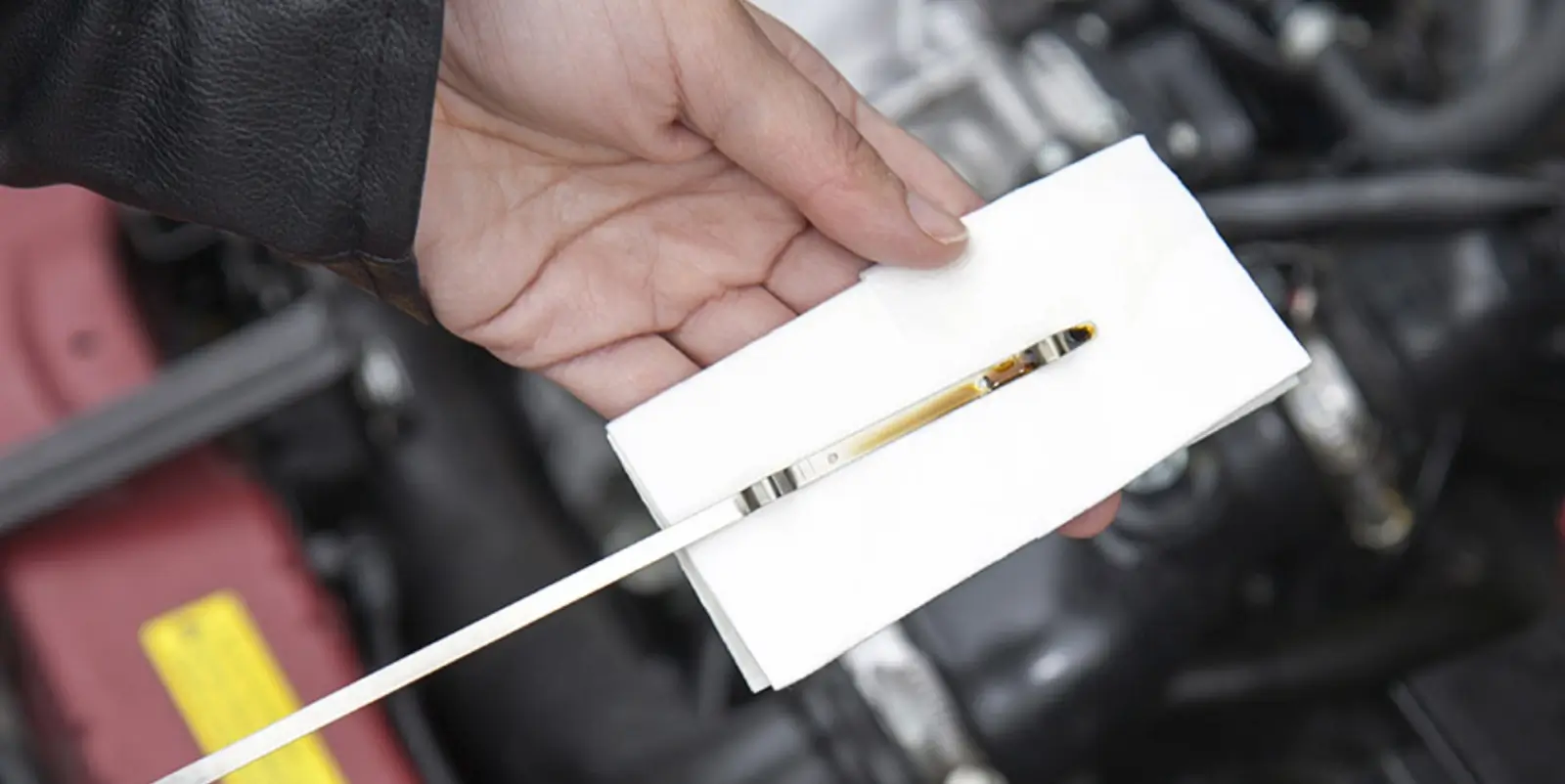
Several factors can contribute to low engine oil pressure in the Ford Explorer. One common cause is a low oil level. This can occur due to leaks from gaskets or seals, or simply from not adhering to regular oil change intervals. Over time, oil can degrade and lose its viscosity, which can also impact pressure. It is important to regularly check oil levels and maintain appropriate intervals for oil changes based on the manufacturer’s recommendations.
Another frequent culprit is a malfunctioning oil pump. The oil pump’s role is to circulate oil throughout the engine, and if it fails, pressure will drop significantly. This can happen due to wear and tear over time, especially in vehicles that have high mileage. I have observed that oil pumps can sometimes fail suddenly, but more often, they exhibit signs of wear over an extended period. If the oil pump is found to be faulty, replacing it is crucial for restoring proper oil pressure.
Worn engine components can also be a contributing factor. As engines age, bearings and other critical components may wear down, increasing the clearance between parts and leading to lower oil pressure. In my experience, this is particularly common in older Explorers, where high mileage can exacerbate these issues. If engine wear is suspected, a more in-depth inspection may be warranted to assess the condition of bearings and other internal components.
Clogs in the oil passages can also create issues. Sludge build-up or debris can restrict oil flow, leading to drops in pressure. Regular maintenance, including oil changes, can help mitigate this risk. However, in vehicles that have been poorly maintained, I have seen significant build-up that necessitated extensive cleaning or even disassembly of components to restore proper flow.
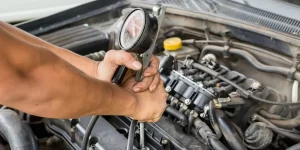
In some cases, the oil pressure sending unit itself may fail, providing inaccurate readings. This can lead to confusion and unnecessary concern when the actual oil pressure may be within acceptable limits. Diagnosing this issue typically involves testing the oil pressure with a mechanical gauge to verify the readings from the dashboard.
Temperature can also play a role in oil pressure. When an engine is cold, oil is thicker and may not flow as easily, which can lead to lower pressure readings. Conversely, as the engine heats up, oil thins out, and pressure can normalize. I have often reminded clients that while low oil pressure is a serious concern, temperature fluctuations can temporarily affect readings.
Under certain conditions, low oil pressure can be harmless, especially if it is a momentary fluctuation caused by temperature changes. However, persistent low oil pressure should never be ignored. Ignoring the warning signs can lead to severe engine damage, including bearing failure or complete engine seizure.
When faced with low oil pressure, resetting the warning light is sometimes necessary. This can be done by turning off the engine, checking the oil level, and then restarting the vehicle. If the light does not turn off after the appropriate checks and adjustments, further investigation is essential.
In my experience, diagnosing low oil pressure issues often requires a systematic approach. Start with checking the oil level and condition, followed by inspecting the oil pump, and finally evaluating the engine’s internal components. Each step provides valuable insights into the health of the engine and can guide further action.
While low oil pressure can be a straightforward issue like low oil levels, it can also signify deeper problems within the engine. Regular maintenance and awareness of the vehicle’s performance can help mitigate risks associated with low oil pressure. Keeping a close eye on oil levels, adhering to service intervals, and responding to warning signs can prevent more serious complications down the line.
As a final observation, I have often seen the importance of thorough inspections and diagnostic testing in addressing low oil pressure concerns. Each vehicle may present unique challenges, but understanding the common causes helps in identifying and resolving issues effectively. Being proactive can save both time and money in the long run, ensuring that the Ford Explorer continues to perform reliably on the road.