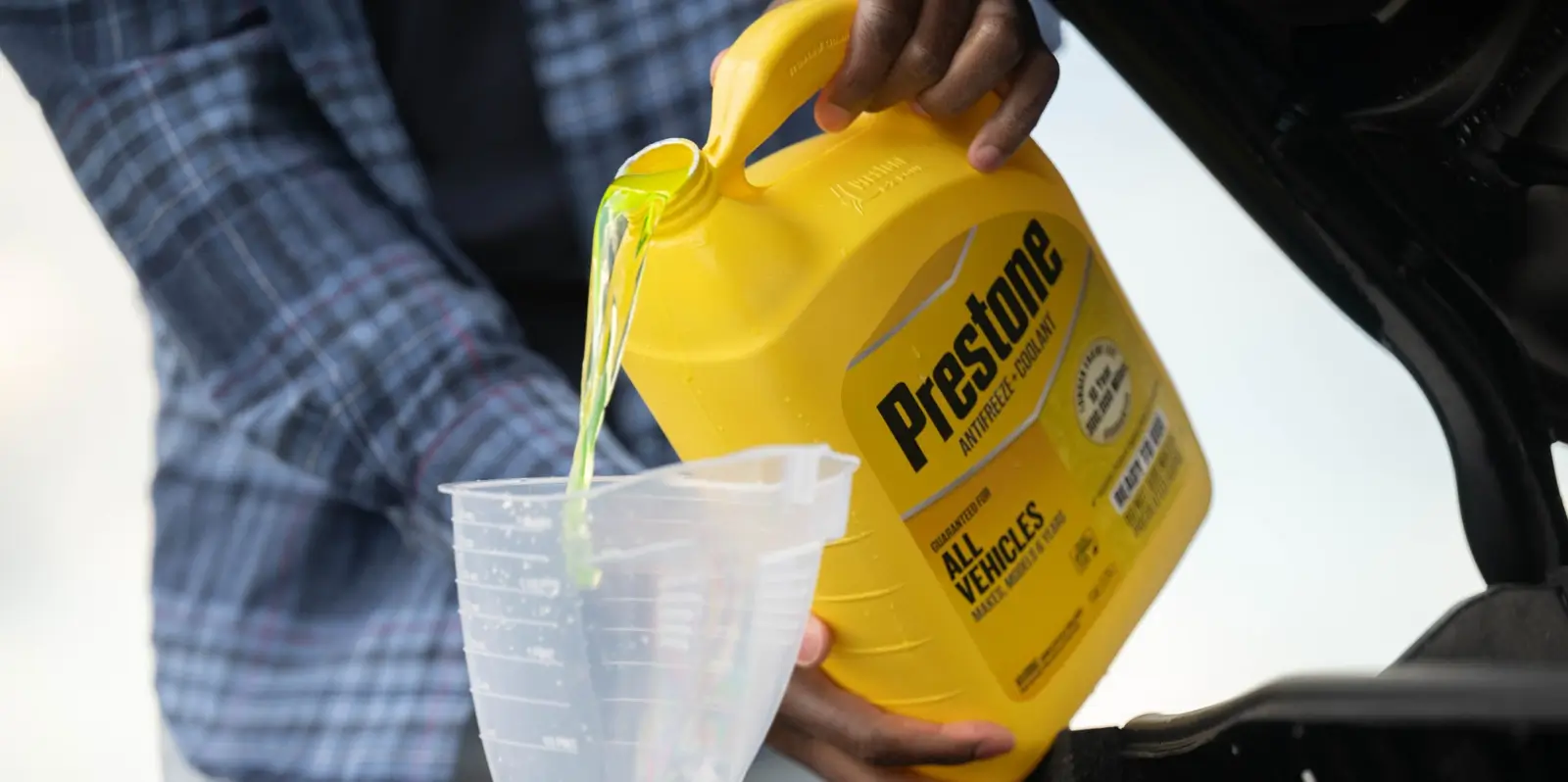
Antifreeze, or coolant, is a critical component in a vehicle’s cooling system, tasked with regulating engine temperature and preventing freezing during cold weather. Despite its importance, many vehicle owners overlook the fact that antifreeze can degrade over time. This degradation can lead to a host of issues, not just with engine temperature regulation but also with the overall health of the cooling system.
In my years of working with various vehicles, one common observation is that antifreeze doesn’t have an indefinite shelf life. Instead, its effectiveness diminishes due to several factors: exposure to heat, oxidation, and the presence of contaminants. The initial formulation of antifreeze contains corrosion inhibitors and other additives designed to protect the engine and cooling system. Over time, as these additives break down, the risk of corrosion and overheating increases.
One significant aspect to consider is the type of antifreeze used. Ethylene glycol and propylene glycol are the two primary types of antifreeze found in vehicles. Ethylene glycol is more commonly used because of its superior heat transfer properties, but it is also toxic. Propylene glycol is less harmful and often found in applications where safety is paramount, such as in food processing or in vehicles where pets may be present. Regardless of the type, both will degrade over time, particularly if subjected to extreme operating conditions.
Heat plays a vital role in the degradation of antifreeze. In an engine, temperatures can soar well above the normal operating range, especially during heavy-duty use such as towing or driving in mountainous regions. High temperatures accelerate the breakdown of the chemical compounds in antifreeze. I have often seen cases where vehicles used primarily for towing have required more frequent coolant changes due to this accelerated degradation. The high heat not only affects the antifreeze but can also lead to other issues, such as the failure of hoses and gaskets, which can result in leaks.
Another factor that can impact antifreeze longevity is the presence of contaminants. Over time, particles from the engine, rust, or even small amounts of oil can mix with the coolant. This contamination can lead to a phenomenon known as “coolant gel,” where the mixture thickens, reducing its flow and heat transfer capabilities. In several instances, I have encountered this problem in vehicles that had not been regularly serviced. The gel-like substance obstructs the flow of coolant, leading to overheating and potential engine damage.
The age of the antifreeze itself is a significant consideration. Many manufacturers recommend changing antifreeze every two to five years, depending on the type and the vehicle’s operating conditions. However, it is not uncommon to find vehicles that have not had their coolant changed for much longer. In these cases, the coolant may appear to be in good condition visually, but the chemical properties have degraded. A simple visual inspection is not sufficient to determine antifreeze effectiveness; it requires more thorough testing, often involving a refractometer or chemical analysis.
It’s also worth noting that the color of the antifreeze can provide some clues about its condition. While color alone is not a definitive indicator of performance, it can signal when something is amiss. For example, if the coolant appears rusty or has a brown tint, it often indicates corrosion within the system. In contrast, a milky appearance could suggest contamination, potentially from oil. These symptoms should not be ignored, as they can lead to more severe engine issues if not addressed.
In practical terms, neglecting antifreeze maintenance can have cascading effects. An overheated engine can lead to warped cylinder heads, blown head gaskets, and, ultimately, catastrophic engine failure. I have witnessed vehicles that were improperly maintained face significant repair bills simply due to the neglect of coolant systems. This is particularly common in older vehicles, where owners may not prioritize the cooling system as much as other components.
For those who might be tempted to top off their coolant with whatever is available, this is another area where care should be taken. Mixing different types of antifreeze can lead to chemical reactions that may produce sludge or reduce the effectiveness of the coolant. For example, mixing traditional green antifreeze with the newer orange or pink extended-life coolants can create problems, as the inhibitors in each type are not compatible. This is a mistake I have seen made repeatedly, especially in shops where technicians may not be fully aware of the different formulations available.
Regular checks of the cooling system, including antifreeze condition, are essential for vehicle longevity. A simple test of the coolant’s freeze point can provide insight into its effectiveness. Additionally, ensuring that the cooling system is free from leaks and that all hoses and connections are in good condition can prevent premature degradation of the antifreeze.
In summary, antifreeze does expire, and its degradation can lead to serious issues if not monitored. The real-world implications go beyond just replacing a fluid; they encompass the health of the entire cooling system and, by extension, the engine itself. Understanding the factors that influence antifreeze longevity – such as heat, contamination, and the type of coolant used – can help vehicle owners make informed decisions about maintenance. Regular checks and timely replacements can prevent costly repairs and ensure smooth operation for the life of the vehicle.