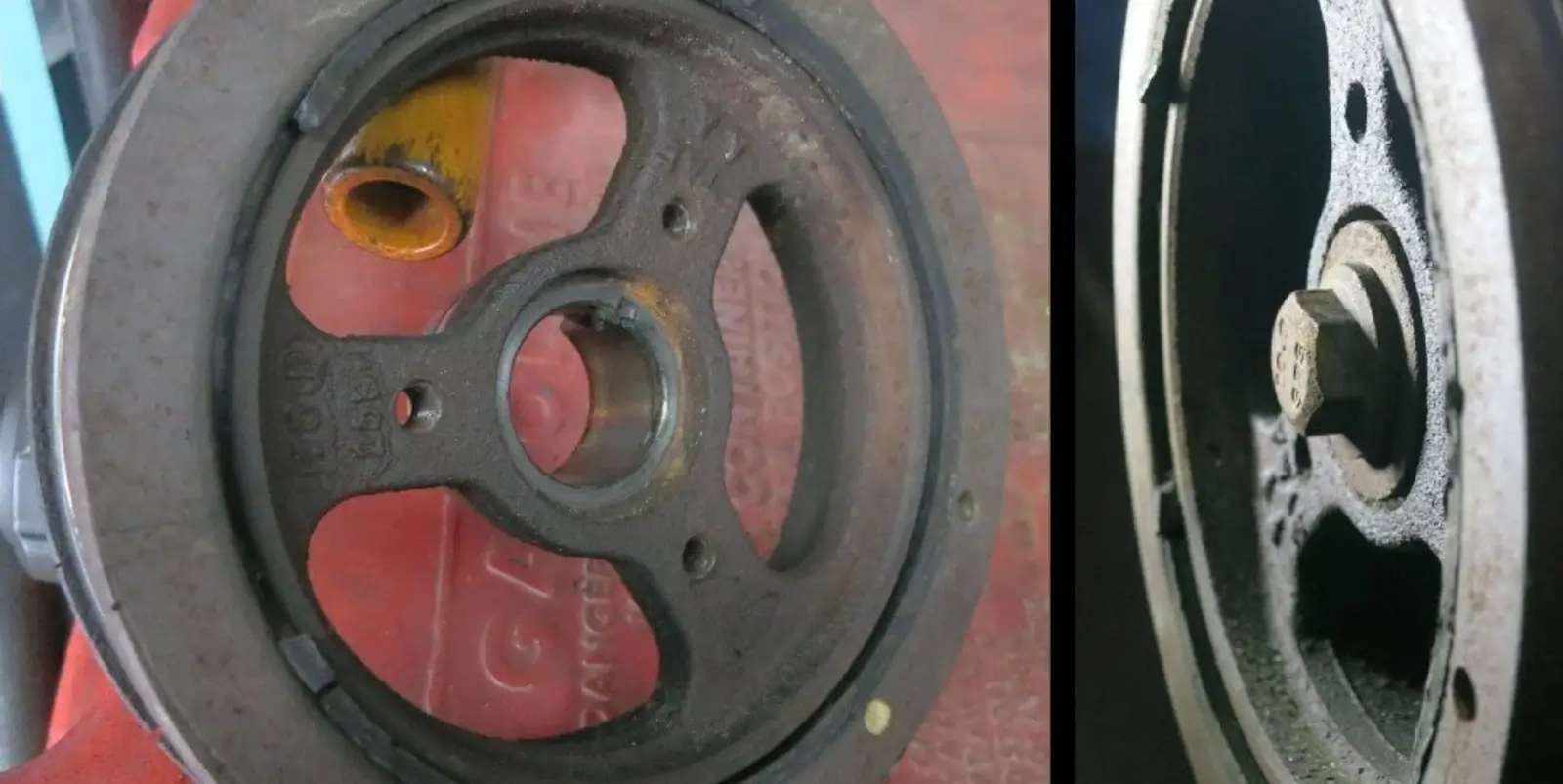
The harmonic balancer is a component often overlooked until it begins to exhibit symptoms of failure. This device plays a crucial role in mitigating vibrations produced by the engine, particularly in internal combustion engines. It consists of a rubber or elastomeric element sandwiched between two metal components, usually bolted to the front of the crankshaft. When functioning properly, the harmonic balancer absorbs and dampens the vibrations that arise during engine operation, helping to protect not just the engine itself, but also the associated drivetrain components.
However, over time and with exposure to the harsh conditions of an automotive environment – such as heat, load, and vibration – the harmonic balancer can degrade. Commonly, the rubber element begins to deteriorate, leading to an imbalance that can cause a range of issues. In my experience, one of the first signs of a failing harmonic balancer is an increase in engine vibration. This can be particularly noticeable at idle or during acceleration. While some level of vibration is normal, a significant increase often indicates that the balancer is no longer functioning as intended.
As the rubber deteriorates, it can lead to a phenomenon known as “harmonic resonance.” This condition occurs when the frequency of engine vibrations matches the natural frequency of other components, amplifying the vibrations throughout the vehicle. The effects can be catastrophic; not only can this lead to increased wear on the engine mounts and transmission, but it can also affect the longevity of other components, such as the serpentine belt and timing components. In extreme cases, the balancer itself can separate from the crankshaft, leading to immediate engine failure.
Another aspect often overlooked is the impact of heat on the harmonic balancer. In many vehicles, especially those with high-performance engines, the balancer is subjected to extreme temperatures. Over time, this heat can exacerbate the aging of the rubber, causing it to harden and crack. I have seen balancers that have become brittle to the point of disintegration, which can lead to pieces breaking off and potentially causing damage to surrounding components.
The load on the engine also plays a significant role in the health of the harmonic balancer. Vehicles that are frequently loaded to their maximum capacity or subjected to heavy towing can place additional stress on the engine and its components, including the harmonic balancer. This can lead to accelerated wear and tear, particularly if the vehicle is not regularly maintained. For example, in pickup trucks used for heavy-duty applications, I have observed harmonic balancers that failed prematurely due to the increased demands placed on them.
In some cases, the symptoms of a failing harmonic balancer can be mistaken for other issues. Engine misfires, for instance, can also produce vibrations similar to those caused by a bad balancer. This can lead to unnecessary diagnostics and repairs if the harmonic balancer is not considered as a potential cause. It’s essential to take a holistic view of the engine’s performance and consider all potential factors when diagnosing vibration issues.
When inspecting a harmonic balancer, it’s important to look for visible signs of wear. Cracks, separations, or excessive play in the balancer itself can indicate that it is time for replacement. Additionally, the presence of oil or coolant leaks around the balancer can suggest that seals or gaskets in the vicinity may also need attention. Regular inspections can help catch these issues before they escalate into more significant problems.
One of the less common but noteworthy failures I have encountered involves the failure of the outer ring of the harmonic balancer. In some designs, this outer ring can become loose or even detach completely, leading to a situation where the balancer no longer serves its purpose. This can produce a loud clattering noise and significant vibrations, often leaving the driver unaware of the impending failure until it becomes critical.
While a failing harmonic balancer may not always lead to immediate catastrophic failure, it can have cascading effects on the engine and drivetrain. Increased vibrations can lead to accelerated wear on bearings, bushings, and mounts, which can result in costly repairs down the line. Additionally, if the balancer is part of a belt-driven system, its failure can lead to belt misalignment, causing further issues with accessory components such as the alternator, power steering pump, or air conditioning compressor.
Replacement of a harmonic balancer is not typically a complex procedure, but it does require attention to detail. Proper torque specifications must be adhered to when reinstalling the balancer, as incorrect torque can lead to premature failure. Furthermore, when replacing a harmonic balancer, it’s prudent to inspect and potentially replace the serpentine belt and any associated pulleys. The added effort can prevent future problems and ensure that the engine runs smoothly.
In summary, the harmonic balancer is a critical component that deserves more attention than it often receives. Its role in reducing vibrations and protecting the engine cannot be overstated. Understanding the signs of wear and the implications of a failing balancer can help in maintaining vehicle performance and longevity. Regular inspections and maintenance practices can mitigate the risks associated with harmonic balancer failures, ultimately leading to a more reliable and efficient vehicle.