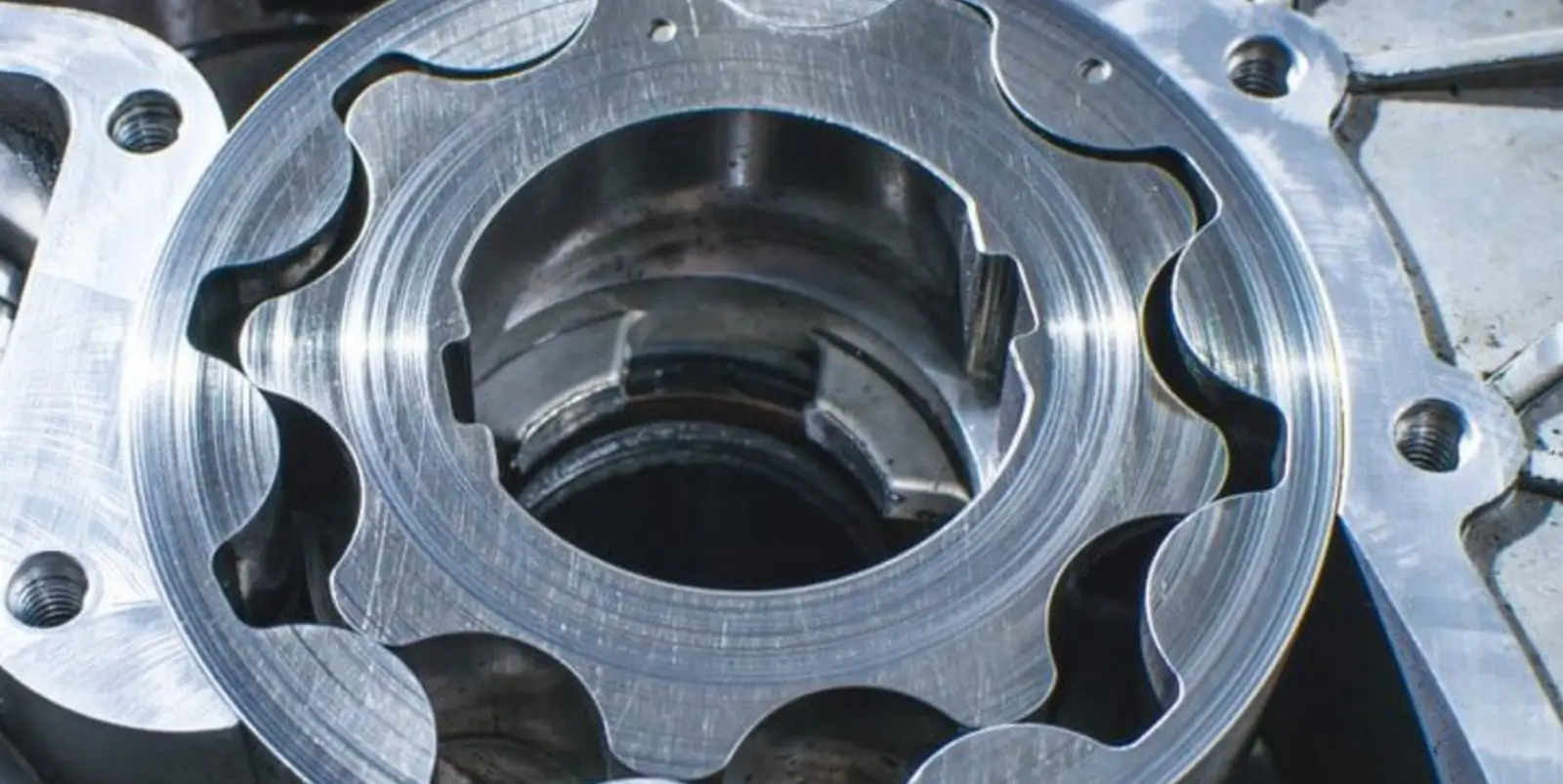
In the realm of automotive repairs, oil pump replacement is a significant undertaking that can often catch vehicle owners off guard. The oil pump is a crucial component, responsible for circulating engine oil under pressure to the bearings, pistons, and camshaft. Without proper lubrication, an engine can suffer severe damage. The need for replacement can arise from various factors, including wear and tear, oil sludge buildup, or even catastrophic failure. Over the years, I’ve encountered numerous instances where oil pump issues manifested, often leading to a cascade of complications that could have been avoided with timely intervention.
When diagnosing an oil pump problem, it’s not uncommon for symptoms to be misinterpreted. Owners might notice warning lights, fluctuating oil pressure readings, or even hear unusual noises emanating from the engine bay. Each of these signs can stem from different issues, but when they point toward the oil pump, the implications can be serious. A failing pump can lead to insufficient oil flow, which in turn can cause overheating, increased friction, and ultimately, engine failure. It’s essential to understand that while some symptoms may seem benign at first, they can indicate deeper, more troubling issues.
In my experience, the costs associated with oil pump replacement can vary considerably. Factors such as the make and model of the vehicle, the labor rates of the repair shop, and the accessibility of the oil pump all play a role in determining the final price. For example, replacing an oil pump on a compact car may be straightforward, while doing so on a larger SUV or truck can require extensive disassembly of the engine components, significantly increasing labor costs. Moreover, certain vehicles have oil pumps integrated into the engine block, which complicates the replacement process further.
Common Causes for Oil Pump Failure
Understanding the reasons behind oil pump failure can help in both prevention and diagnosis. One of the most frequent causes is wear and tear over time. Oil pumps are mechanical devices subject to high stress, and the materials used can only endure so much. Additionally, if the engine oil is not changed regularly, contaminants can build up, leading to sludge formation that clogs the pump and restricts oil flow. This is particularly common in older vehicles where maintenance schedules may not have been strictly adhered to.
Another issue that arises is the use of incorrect oil viscosity. Each engine is designed to operate with a specific oil type, and using oil that is too thick or too thin can lead to pump failure. For example, using a low-viscosity oil in a high-temperature environment can cause the oil to thin out excessively, resulting in inadequate lubrication. Conversely, high-viscosity oil in a colder climate might not flow properly, putting undue strain on the pump.
In some cases, external factors can also contribute to oil pump failure. High engine temperatures, often resulting from cooling system failures or prolonged heavy loads, can degrade oil quality and lead to pump issues. Similarly, if the vehicle is consistently operated in stop-and-go traffic or under heavy towing conditions, the oil pump may experience additional stress that can lead to premature failure.
Symptoms of a Failing Oil Pump
Identifying a failing oil pump before it leads to catastrophic engine damage can be challenging. Some of the more common symptoms include:
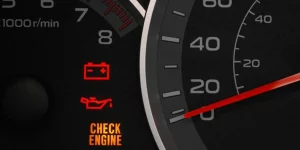
- Oil Pressure Warning Light: This light is often the first indication that something is amiss. A persistent warning light should never be ignored.
- Unusual Engine Noises: A failing pump may cause a noticeable increase in engine noise, often described as a ticking or knocking sound.
- Oil Leaks: If the oil pump is damaged, it may develop leaks, which can be visible under the vehicle.
- Overheating: Insufficient oil circulation can lead to overheating, which can have serious implications for engine health.
- Performance Issues: Reduced engine performance, such as loss of power or acceleration, can also be a sign of oil pump problems.
In practice, these symptoms can overlap with other engine issues, which complicates the diagnostic process. For instance, an oil pressure warning light can also indicate a low oil level, a faulty oil pressure sensor, or even issues with the oil itself. This is why a thorough inspection is crucial.
Replacement Costs and Considerations
The cost of replacing an oil pump can range widely, typically from several hundred to over a thousand dollars, depending on various factors. Labor costs can significantly impact the overall expense, as accessing the oil pump often requires disassembling key engine components. In some vehicles, the oil pump is located deep within the engine, necessitating the removal of the oil pan and other parts to reach it. This increases the labor time and, consequently, the cost.
Additionally, the type of oil pump can also affect replacement costs. Standard gear pumps are often less expensive than variable displacement pumps, which are becoming more common in modern engines for improved efficiency. Parts availability can also influence costs; for older or less common vehicles, sourcing a replacement oil pump may take additional time and effort, potentially increasing the expense.
It’s also worth considering the potential for additional repairs during the replacement process. If the oil pump has failed due to contamination or sludge, it’s wise to inspect the oil passages and the condition of the oil pan. Cleaning these components can add to the cost but is essential for ensuring the longevity of the new pump.
Real-World Observations and Edge Cases
In my experience, one of the more troubling scenarios arises when an oil pump fails suddenly, often without prior warning. This can happen in high-mileage vehicles that have not received regular maintenance. The engine may appear to be operating normally until it suddenly begins to exhibit symptoms. In these cases, the cost of replacing the oil pump is often compounded by the need for extensive engine repairs due to damage caused by lack of lubrication.
Conversely, I have seen cases where vehicle owners replace their oil pumps as a preventative measure after noticing early warning signs. This proactive approach can save money in the long run, avoiding the need for more extensive repairs. However, it’s essential to ensure that the diagnosis is accurate, as replacing a functioning oil pump can lead to unnecessary costs.
Another edge case involves the impact of aftermarket modifications. Many enthusiasts modify their engines for performance, which can affect oil flow requirements. An oil pump designed for a stock engine may not suffice in a modified setup, leading to issues that necessitate replacement. In these instances, a higher-performance oil pump may be required, which can add complexity and cost to the replacement process.
Ultimately, the decision to replace an oil pump should not be taken lightly. Timely diagnosis and understanding of the symptoms can help mitigate risks. Regular maintenance, including oil changes and filter replacements, plays a crucial role in prolonging the life of the oil pump and the engine as a whole. Observing how the vehicle performs over time can provide valuable insights into the health of the oil pump and, by extension, the engine.
In summary, oil pump replacement is a multifaceted issue that requires careful consideration of various factors, from symptoms and diagnosis to costs and potential complications. Recognizing the signs early and understanding the implications of oil pump failure can lead to better decision-making and, ultimately, a more reliable vehicle.