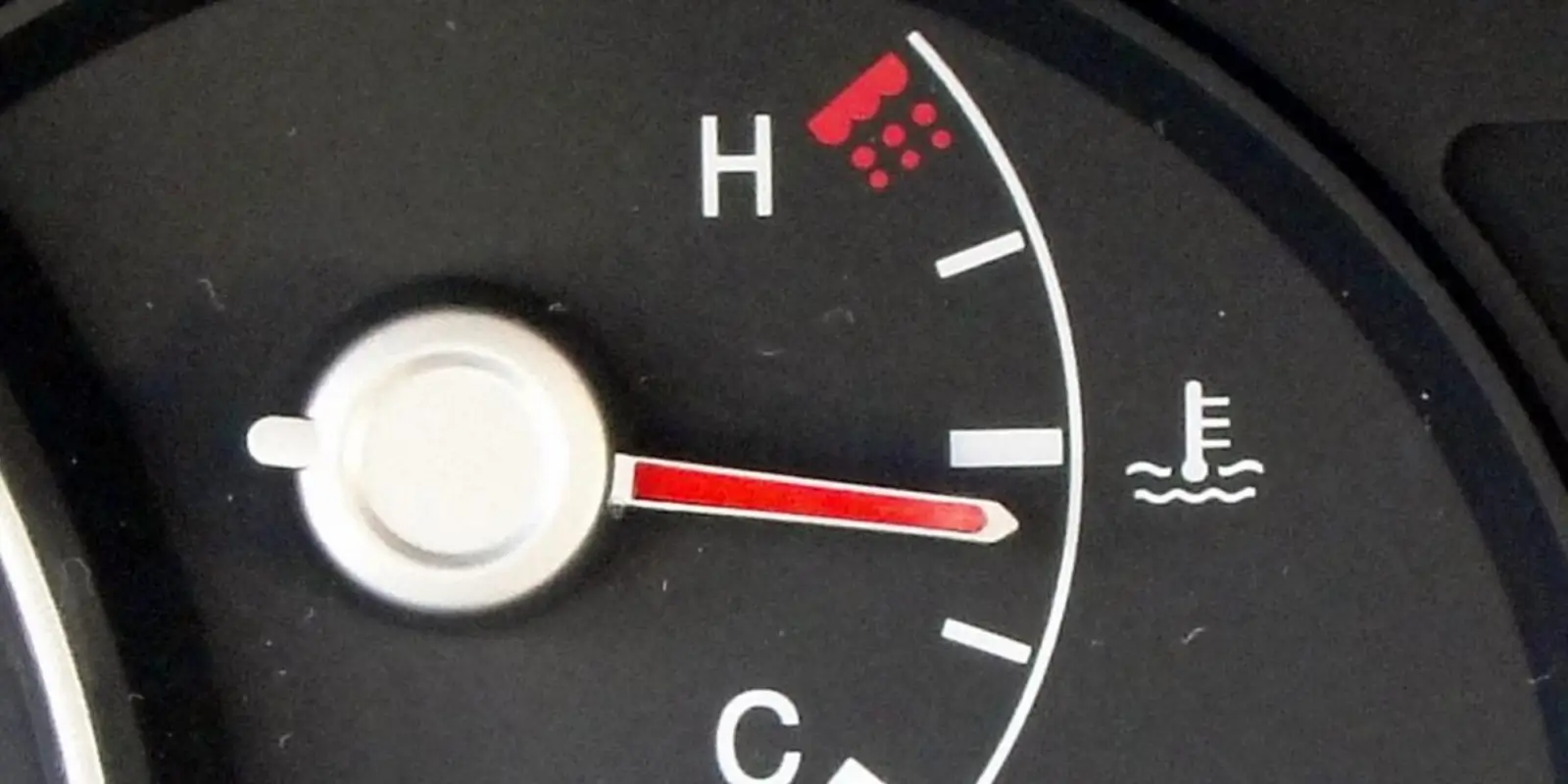
The temperature gauge in a vehicle serves as a vital indicator of engine health, providing real-time feedback on coolant temperature. Understanding how to interpret this gauge is essential for any automotive professional or enthusiast. Over the years, I have encountered various scenarios where the temperature gauge has played a crucial role in diagnosing engine issues or, conversely, where its failure to function correctly has led to significant problems.
Temperature gauges typically operate on a simple principle: they measure the temperature of the engine coolant and relay this information to the driver through a dial or digital readout. While the design may vary between manufacturers, most gauges are calibrated to a standard range, helping drivers identify when their engine is operating outside of its optimal temperature range. However, the reliability of these gauges can vary significantly based on several factors, including the vehicle’s make and model, the age of the components, and the driving conditions.
One common observation is that many drivers tend to overlook the importance of the temperature gauge until a problem arises. For instance, during routine maintenance, I have often noted that the gauge may not reflect a sudden spike in temperature during heavy towing or prolonged idling. This can lead to overheating, which may cause permanent damage to engine components. In these situations, the gauge serves not only as an indicator but as a warning system that should prompt immediate attention.
Common Gauge Failures and Their Implications
Temperature gauge failures can manifest in various ways. One typical failure mode is the gauge becoming stuck or unresponsive. This situation often occurs when the sending unit, which detects coolant temperature, fails. A stuck gauge may read inaccurately, either indicating a normal temperature when the engine is overheating or peaking excessively when the engine is cool. In either case, the driver is misled about the engine’s actual condition.
Another point of failure can arise from electrical issues, such as corroded wiring or poor connections. In my experience, corrosion can develop in the wiring harnesses, particularly in vehicles exposed to harsh environments or road salt. This corrosion can disrupt the signal sent from the sending unit to the gauge, resulting in erratic readings. It’s essential to regularly inspect the wiring and connections to maintain accurate gauge performance.
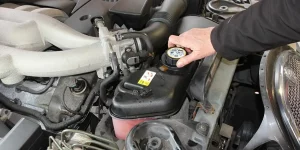
In some cases, the problem lies not with the gauge itself but with the coolant system. A low coolant level can cause inconsistent readings on the gauge, as the sensor may not be fully immersed in the fluid. This condition can arise from leaks in hoses or gaskets that go unnoticed until the gauge indicates an overheating situation. Drivers should be vigilant about monitoring coolant levels, especially after repair work or during seasonal changes.
Temperature Range Considerations
Most temperature gauges are designed to operate within a specific range, typically between 180°F to 220°F (82°C to 104°C) for many vehicles. Operating outside this range can indicate potential problems. For instance, if the gauge consistently reads at the higher end, it may point to a failing thermostat that is stuck closed, preventing coolant from circulating through the engine. Conversely, a reading too low may suggest a thermostat stuck open, which can lead to poor engine performance and increased wear over time.
When monitoring temperature, context is critical. A gauge may read higher than normal during heavy acceleration or when climbing steep grades. This is often due to increased engine load, which is not necessarily indicative of an issue. However, if the temperature continues to rise even after returning to normal driving conditions, it could signal a more serious problem requiring immediate investigation.
Real-World Scenarios
In a practical scenario, consider a pickup truck frequently used for towing. During a long haul, the driver may notice the temperature gauge creeping towards the higher end of the scale. Depending on the vehicle’s cooling capacity and the load being towed, this could be a warning sign. In such cases, I have often advised checking the coolant level, inspecting the fan operation, and ensuring that the radiator is free of obstructions. If the gauge returns to normal after a brief stop, it may simply indicate that the vehicle was pushed to its limits, but if it continues to climb, further investigation is warranted.
Another situation involves a commercial vehicle that operates in extreme conditions, such as constant stop-and-go traffic in hot weather. The temperature gauge can become a critical tool for monitoring engine health. In these cases, I have seen drivers install aftermarket gauges to provide more precise readings. These additional gauges can offer a clearer picture of engine temperature, especially when the factory gauge is unresponsive or unreliable.
Monitoring Trends Over Time
Regular observation of the temperature gauge can reveal trends that may indicate developing issues. For example, a gradual increase in operating temperature over weeks or months can signal a slow coolant leak or a failing water pump. I have encountered instances where drivers dismissed a slight rise in temperature, only to later face a catastrophic failure due to neglected maintenance. Keeping a log of temperature readings during various driving conditions can help identify these trends early.
In some vehicles, the temperature gauge may also be affected by the engine’s electronic control unit (ECU). If the ECU detects anomalies in engine performance, it may trigger a warning light on the dashboard, alongside changes in gauge behavior. This interplay between the gauge and the ECU highlights the importance of a comprehensive approach to vehicle diagnostics, rather than relying solely on one indicator.
In conclusion, the temperature gauge is more than just a dial on the dashboard; it is a critical component of the vehicle’s health monitoring system. Understanding its operation, interpreting its readings, and recognizing the signs of failure can help prevent serious engine damage. Regular maintenance, coupled with attentive observation of gauge behavior, will ensure that drivers remain informed about their vehicle’s condition. The relationship between temperature and engine performance is complex, and neglecting these indicators can lead to costly repairs and safety hazards.