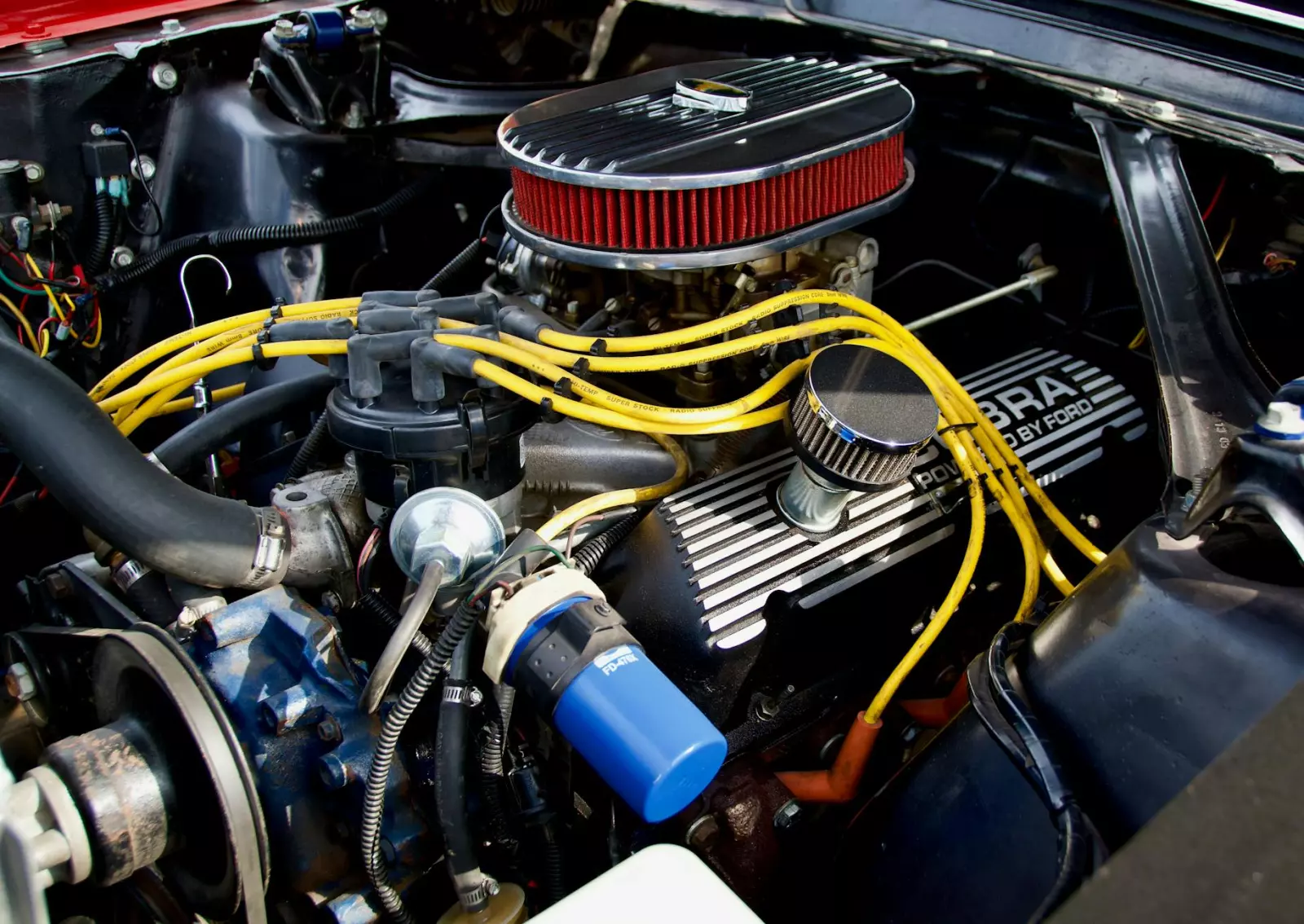
Changing an engine air filter is often regarded as a routine maintenance task, yet it plays a critical role in the overall performance and longevity of a vehicle’s engine. Over the years, I have encountered various scenarios where the condition of the air filter significantly affected engine behavior, fuel efficiency, and overall drivability. Understanding the nuances of air filter maintenance can reveal much about the health of an engine and the potential challenges that may arise from neglecting this component.
The engine air filter serves as the first line of defense against contaminants entering the engine's air intake system. Dust, dirt, and debris can easily find their way into the engine if the filter is clogged or deteriorating. This can lead to reduced airflow, which in turn affects combustion efficiency. A common symptom of a dirty or failing air filter is a noticeable decrease in engine performance, particularly during acceleration. Drivers may experience hesitation or decreased throttle response, indicating that the engine is struggling to draw in sufficient air.
In many cases, the air filter is overlooked during routine checks. Mechanics and vehicle owners alike can become accustomed to the more visible components, such as oil filters or brake pads, while the air filter remains hidden, often in a location that requires additional effort to access. This can lead to a situation where the air filter becomes excessively dirty, restricting airflow and causing the engine to work harder than necessary. Under heavy load conditions, such as towing or driving uphill, this can exacerbate the problem, leading to overheating or even engine knock due to improper air-fuel mixture ratios.
Another aspect to consider is the material and design of the air filter itself. Many modern vehicles are equipped with high-efficiency filters that can trap finer particles and provide better airflow compared to traditional paper filters. However, these filters may require more frequent inspections, especially in environments with higher levels of airborne dust or pollutants. I have seen cases where a vehicle in a construction zone or a rural area with unpaved roads will require more frequent air filter changes than one driven primarily in urban settings.
The age and mileage of the vehicle also play a crucial role in air filter maintenance. While manufacturers often recommend service intervals based on mileage, real-world conditions can vary significantly. If a vehicle is consistently driven in stop-and-go traffic, the engine operates under different thermal loads compared to highway driving. These conditions can cause the filter to become clogged faster, necessitating earlier replacement. A good rule of thumb is to visually inspect the air filter during routine oil changes, even if it hasn't reached the suggested service interval.
There are also secondary effects to consider when an air filter is neglected. For instance, a dirty filter can lead to increased fuel consumption. When the engine struggles to draw in sufficient air, it compensates by injecting more fuel, which can lead to a drop in miles per gallon. Over time, this can add up to a significant increase in fuel costs, making regular air filter maintenance not just a matter of performance but also of economic sense.
Moreover, a compromised air filter can lead to issues with the mass airflow sensor (MAF) in modern vehicles. This sensor measures the amount of air entering the engine and adjusts the fuel injection accordingly. If the air filter is dirty, it can cause inaccurate readings, leading to poor fuel economy, rough idling, or even stalling. I have encountered instances where a simple air filter change resolved a host of performance issues that were initially misdiagnosed as more serious engine problems.
When replacing an air filter, it is essential to ensure that the new filter is properly seated and sealed. An improperly installed filter can allow unfiltered air to bypass the filter, negating its purpose and potentially leading to engine damage. This is particularly critical in applications where the engine operates under high load or in dusty environments.
While some vehicle owners may opt for reusable air filters, which can be cleaned and reinstalled, these require diligent maintenance and cleaning intervals. If not properly maintained, reusable filters can also fail to provide adequate filtration, leading to similar issues as traditional filters. It's essential to follow manufacturer guidelines for cleaning and reinstallation to avoid introducing contaminants into the engine.
In closing, while changing an engine air filter may seem like a minor detail in the grand scheme of vehicle maintenance, its impact is far-reaching. From performance issues to fuel economy and even long-term engine health, the air filter warrants attention and care. Regular checks and timely replacements can prevent a cascade of problems that arise from neglect, ensuring that the engine operates smoothly and efficiently over its lifespan. Understanding the role of the engine air filter can empower vehicle owners to take a proactive approach to maintenance, ultimately leading to a more reliable and cost-effective driving experience.