Cylinder misfires are a common issue in the realm of automotive diagnostics, often manifesting in various ways depending on the vehicle’s design, engine type, and operating conditions. Among the misfire codes, P0303 specifically indicates a misfire occurring in cylinder 3. This problem is not merely a nuisance; it can lead to a cascade of mechanical issues if left unaddressed. Having encountered this issue across a range of vehicles, I can attest to the complexity that often surrounds diagnosing and resolving it.
When a vehicle exhibits a cylinder 3 misfire, the symptoms can vary significantly. The driver may notice a rough idle, a decrease in power, or even an increase in fuel consumption. In some cases, the vehicle may struggle to start, or it may produce a noticeable shaking during acceleration. These symptoms can sometimes lead to misdiagnosis, as they may overlap with issues stemming from other cylinders or systems within the engine.
In many cases, the first indication of a misfire will be the illumination of the check engine light (CEL). This light serves as a warning that something is amiss, and it typically prompts the driver to seek diagnostics. Using an OBD-II scanner to retrieve the trouble code is a standard first step. However, it is crucial to remember that the code alone does not provide a complete picture; it merely points to a symptom rather than the underlying cause. This is where the real investigative work begins.
Common Causes of Cylinder 3 Misfire
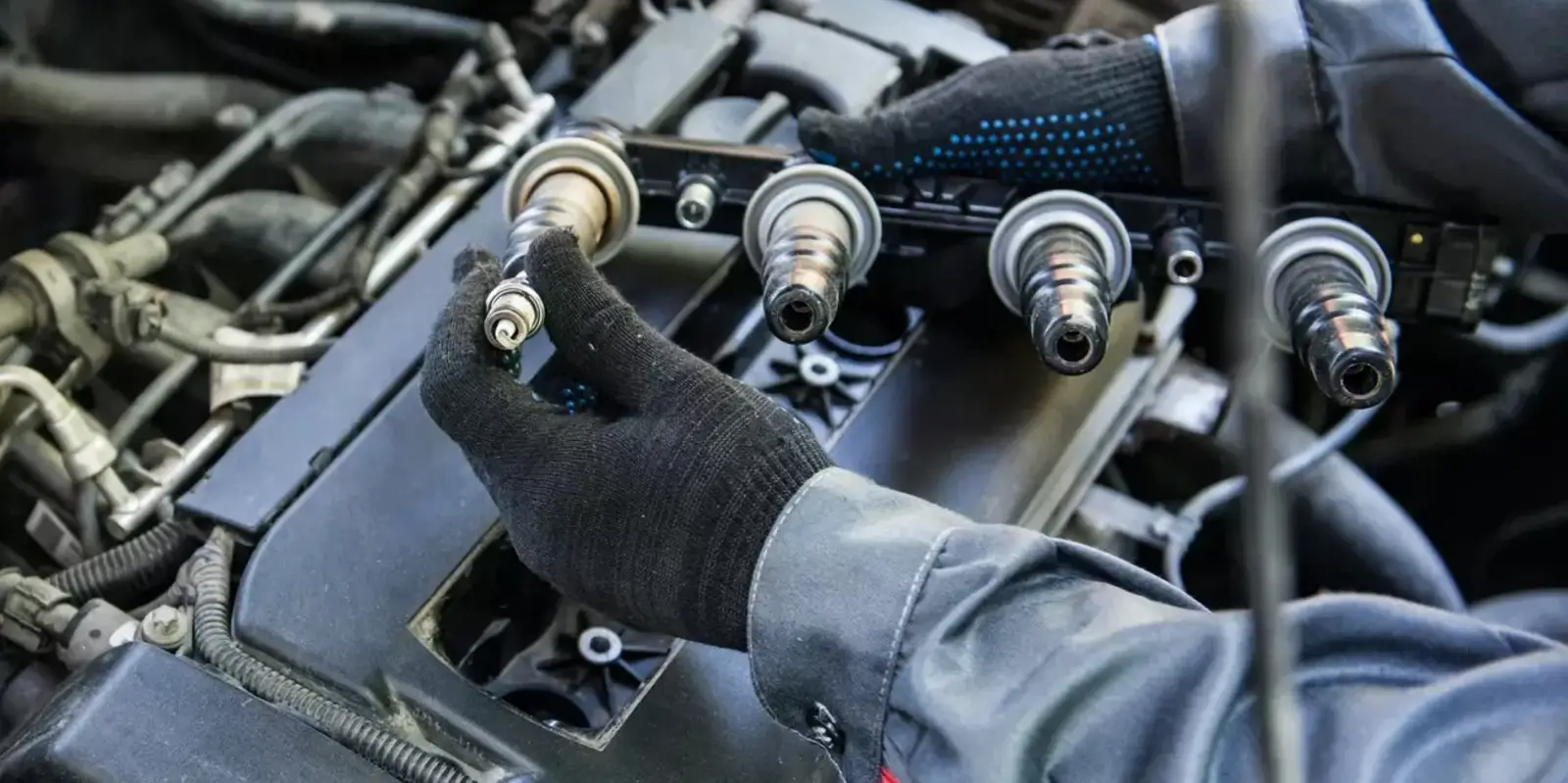
Several factors can contribute to a misfire in cylinder 3, and understanding these can aid in pinpointing the problem. One of the most frequent culprits is a faulty spark plug or ignition coil. Over time, spark plugs can wear down, leading to incomplete combustion. Similarly, ignition coils can fail, preventing the spark needed for combustion from reaching the cylinder effectively. In a multi-cylinder engine, it’s not unusual for a failing ignition component to affect specific cylinders, with cylinder 3 often being a common point of failure due to its location within the engine bay.
Fuel delivery issues can also lead to a misfire in cylinder 3. Fuel injectors may become clogged or fail altogether, resulting in insufficient fuel reaching the cylinder. This can happen due to poor fuel quality, contamination, or simply wear over time. When diagnosing a misfire, it’s essential to check the fuel injector’s operation and ensure that it is delivering the correct amount of fuel at the right time.
Mechanical problems within the engine can also cause misfires. A compression issue in cylinder 3 due to worn piston rings, damaged valves, or a blown head gasket can result in a lack of power and misfire symptoms. Testing the compression of each cylinder can reveal discrepancies that indicate deeper mechanical issues. In my experience, compression tests often uncover problems that might not be apparent through other diagnostic methods.
Environmental Factors and Their Impact
Environmental conditions can influence the occurrence of a cylinder 3 misfire. For instance, excessive heat can exacerbate ignition system failures. Engines operating at higher temperatures may experience electrical resistance changes in ignition coils, leading to misfires. Similarly, during colder months, fuel may not vaporize as effectively, leading to incomplete combustion. This is particularly relevant in areas with significant seasonal temperature fluctuations.
Driving conditions also play a role. Vehicles subjected to heavy loads, such as towing or carrying significant cargo, may experience increased stress on the engine. This stress can amplify existing weaknesses, leading to misfires that may not occur under lighter loads. Additionally, driving styles that involve frequent acceleration and deceleration can also impact engine performance, potentially triggering misfire codes.
Diagnosing the Issue: A Practical Approach
When diagnosing a cylinder 3 misfire, a systematic approach is essential. Begin by visually inspecting the ignition system, including the spark plug and ignition coil for signs of wear or damage. If these components appear in good condition, moving on to fuel system diagnostics is prudent. Checking the operation of the fuel injector with a noid light can confirm whether it’s functioning properly.
In the context of compression testing, it’s not just about identifying low compression but understanding why it exists. This may require a deeper dive into the engine’s mechanical condition. If compression is low, further tests might include a leak-down test to identify where the loss is occurring – whether through the valves, piston rings, or head gasket.
Another often-overlooked aspect is the vehicle’s overall maintenance history. Many misfire issues can be linked back to irregular service intervals or the use of subpar replacement parts. In some instances, I have encountered vehicles where a simple spark plug replacement, done with quality components, resolved persistent misfire codes that had baffled technicians for months.
Second-Order Effects of Ignoring a Misfire
Ignoring a cylinder 3 misfire can lead to a range of secondary issues. The most immediate consequence is the increased stress on the engine, which can lead to premature wear on components such as bearings and valves. Additionally, a misfire can result in higher emissions, leading to potential failures during emissions testing. Prolonged misfires can also cause damage to the catalytic converter, as unburned fuel can enter the exhaust system, overheating and damaging this sensitive component.
In some cases, the engine control unit (ECU) may attempt to compensate for the misfire by adjusting fuel trim, which can lead to a lean or rich condition in the air-fuel mixture. This adjustment can further complicate the diagnostic process, as it may mask underlying issues while creating new performance problems.
Conclusion
Diagnosing and addressing a cylinder 3 misfire requires a careful and methodical approach. The interplay of ignition, fuel delivery, and mechanical integrity must be considered, along with environmental factors and driving conditions. By understanding the common causes and implications of this issue, automotive technicians can more effectively pinpoint the root cause and implement appropriate repairs. Each misfire incident is unique, and experience plays a crucial role in navigating the complexities of automotive diagnostics.