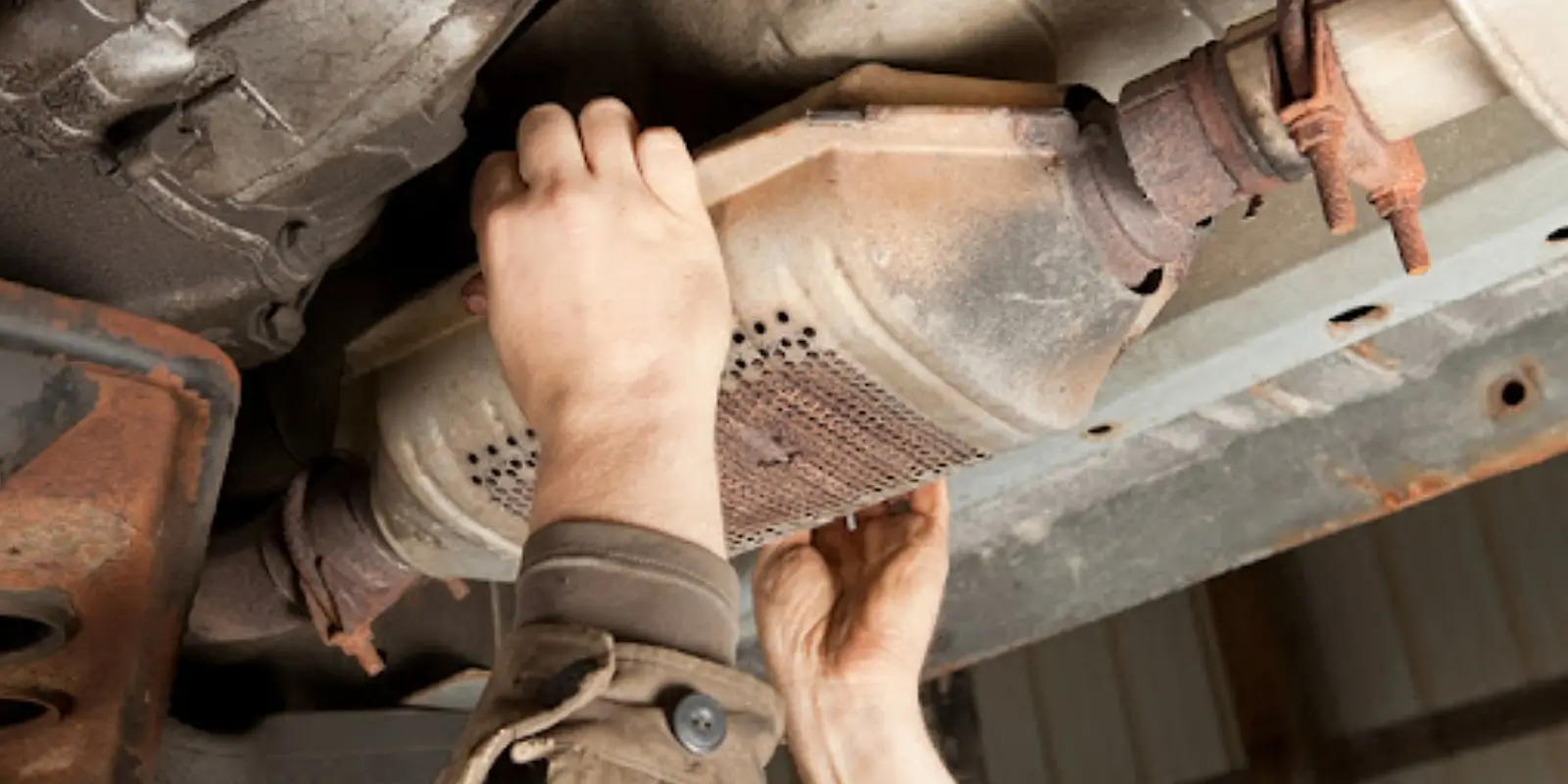
Catalytic converters have long been a critical component of vehicle emissions systems, playing an essential role in reducing harmful pollutants. However, in recent years, they have also become prime targets for thieves. This issue has escalated dramatically, with many vehicle owners discovering that their catalytic converters have been stolen, often leading to significant inconveniences and expenses. Having worked in the automotive industry for many years, I have encountered numerous cases where this theft has impacted vehicle performance and owner experience, revealing a pattern of vulnerabilities that many overlook.
The catalytic converter’s primary function is to convert harmful exhaust gases into less harmful emissions before they are released into the atmosphere. It achieves this through a series of chemical reactions involving precious metals such as platinum, palladium, and rhodium. The increasing market value of these metals has made catalytic converters an attractive target for thieves, who can remove and sell them for a profit. This trend has been particularly noticeable in urban areas, where the density of vehicles and the potential for quick escape make theft easier.
In terms of vehicle types, any car equipped with a catalytic converter is at risk, but some models are more frequently targeted than others. Typically, older vehicles are favored due to their simpler designs, which allow for easier removal. Pickup trucks and SUVs are also common targets, as their higher ground clearance often makes access to the catalytic converter simpler. Moreover, the popularity of certain models can play a role; for example, the Toyota Prius has been notably targeted due to its valuable catalytic converter components.
Real-World Implications of Theft
When a catalytic converter is stolen, the immediate impact is often a loud, noticeable change in the vehicle’s exhaust sound. This occurs because the exhaust system is no longer complete; the absence of the catalytic converter allows exhaust gases to escape more freely, resulting in a louder and less refined exhaust note. Additionally, drivers may experience a drop in engine performance, including reduced acceleration and increased emissions, which can trigger dashboard warning lights.
From my experience, many vehicle owners underestimate the potential consequences of catalytic converter theft. While the initial concern may be the cost of replacement – often ranging from $1,000 to $3,000 depending on the vehicle and labor costs – there are other factors to consider. For instance, some vehicles may require a complete exhaust system replacement rather than just a catalytic converter due to the way they are integrated. This added complexity can lead to further costs and downtime for the vehicle.
Moreover, the theft of a catalytic converter can lead to insurance complications. Depending on the policy, some owners may face higher premiums or may not be fully covered for the replacement costs. This can create a frustrating situation where the owner is left paying out of pocket, even after having taken precautions to protect their vehicle.
Common Causes and Contributing Factors
The increase in catalytic converter theft can be linked to several factors. One significant driver is the rising price of precious metals used within the converters. Over the past few years, the prices of platinum, palladium, and rhodium have surged, making catalytic converters more lucrative for thieves. The demand for these materials in the recycling market has created an environment where the risk of theft is outweighed by the potential financial gain. This trend is compounded by the relative ease of stealing a catalytic converter, which can often be done in a matter of minutes with basic tools.
Environmental regulations also play a role in this issue. Stricter emissions standards have led to the incorporation of more advanced catalytic converters in newer vehicles, which often contain higher amounts of precious metals. As a result, these newer models are more attractive to thieves, contributing to an increase in theft rates across the board.
Preventive Measures and Observations
<pWhile there is no foolproof way to prevent catalytic converter theft, vehicle owners can take several measures to reduce their risk. One effective method is to park in well-lit areas or secure garages whenever possible. Thieves are less likely to target vehicles in well-monitored locations. Additionally, installing motion sensors or security cameras can act as deterrents. Some owners have also opted to have their catalytic converters marked with identification numbers, which can help in recovery efforts should theft occur.
Another observation is that certain aftermarket products are designed to protect catalytic converters. These include cages or shields that make removal more difficult. While these modifications can add some level of security, they may not be 100% effective against determined thieves. It’s important for vehicle owners to weigh the costs and benefits of such installations based on their specific circumstances and local crime rates.
Interestingly, some municipalities have begun to implement measures to combat this issue. Programs that encourage vehicle identification marking, community watch initiatives, and increased policing in high-theft areas have shown promise. However, the effectiveness of these measures can vary significantly depending on the local context and community involvement.
Long-Term Effects and Considerations
The long-term implications of catalytic converter theft extend beyond immediate financial loss. Frequent thefts can lead to increased costs for vehicle manufacturers, who may need to redesign exhaust systems to make them less vulnerable. This can result in higher prices for consumers as manufacturers pass on these costs. Additionally, the environmental impact cannot be overlooked. The removal of catalytic converters leads to increased emissions, which counteracts efforts to improve air quality and reduce pollution.
It’s also worth noting that some vehicle owners may experience a delay in repairs due to parts availability. In recent years, supply chain issues have impacted the automotive industry, leading to longer wait times for replacement components. This can leave owners without their vehicles for extended periods, further complicating their daily lives.
As the automotive landscape evolves, so too do the challenges associated with vehicle security. Catalytic converter theft is a symptom of broader societal and market dynamics, underscoring the need for continued vigilance and innovation in vehicle protection. While personal responsibility in safeguarding one’s vehicle is crucial, addressing the root causes of this issue requires collective action from communities, law enforcement, and manufacturers alike. The growing prevalence of such thefts serves as a reminder of the importance of maintaining awareness and taking proactive measures to protect one’s vehicle from potential harm.