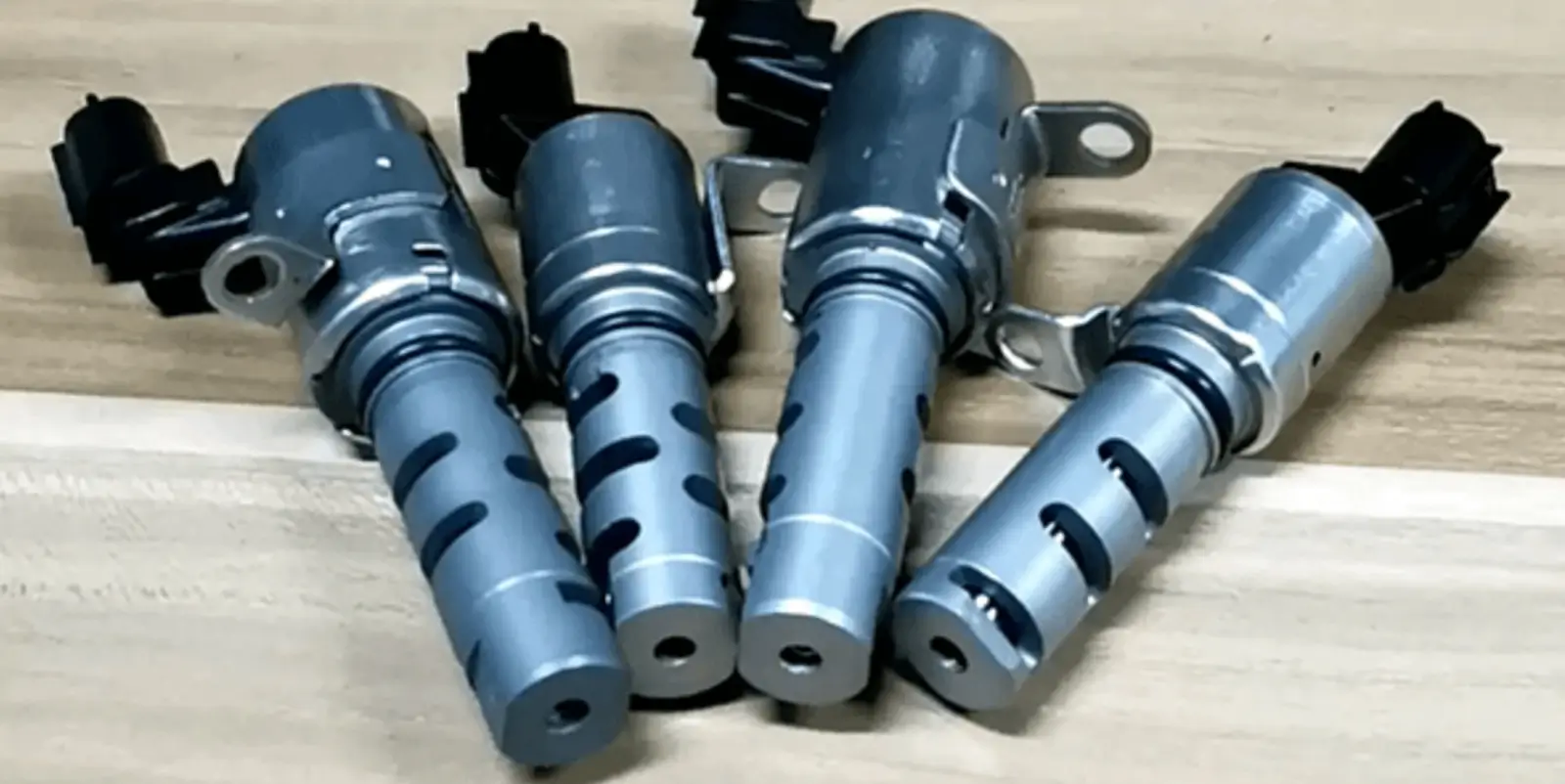
Variable timing solenoids have become a critical component in modern automotive engines, particularly those equipped with variable valve timing (VVT) systems. These solenoids play a pivotal role in optimizing engine performance by controlling the timing of the intake and exhaust valves based on engine speed, load, and temperature. My experience with various makes and models has revealed that while these components are designed to enhance efficiency and responsiveness, they can also be prone to failure, often leading to a cascade of performance issues.
The function of a variable timing solenoid is deceptively straightforward. It regulates oil flow to the VVT system, which adjusts valve timing to suit different driving conditions. When functioning correctly, this leads to improved fuel efficiency, reduced emissions, and better overall performance. However, the environment in which these solenoids operate is harsh. They are subjected to high temperatures, engine vibrations, and the continuous flow of engine oil, all of which can contribute to their eventual failure.
One of the most common symptoms of a failing variable timing solenoid is a noticeable decrease in engine performance. Drivers may experience a lack of power during acceleration or a rough idle. This occurs because the solenoid may not be delivering the correct amount of oil pressure to the VVT system, causing the timing to be off. In some cases, the engine may throw a check engine light, often accompanied by diagnostic trouble codes (DTCs) related to timing issues.
In my experience, the solenoid can fail for several reasons. Contamination of the engine oil is a significant factor. Over time, sludge and debris can accumulate, leading to blockages that prevent the solenoid from functioning correctly. This is particularly common in older vehicles or those that have not received regular oil changes. The accumulation of contaminants can lead to a sticky solenoid, which may not respond promptly to electrical signals.
Another issue arises from the electrical components of the solenoid itself. The solenoid relies on a precise electrical signal to operate. If there are wiring issues, such as frayed wires or poor connections, the solenoid may not receive the necessary signal to adjust valve timing. This can lead to inconsistent engine performance and increased emissions.
Heat is another enemy of variable timing solenoids. Excessive heat can cause the solenoid’s internal components to wear prematurely. In vehicles that operate under heavy loads or in high-temperature environments, the likelihood of solenoid failure increases. For instance, trucks used for towing or carrying heavy payloads often experience higher engine temperatures, accelerating wear on components like the variable timing solenoid.
When diagnosing issues with the solenoid, it’s essential to consider the broader context of the engine’s health. A malfunctioning solenoid can sometimes be mistaken for other problems, such as a failing camshaft or timing belt. Therefore, a comprehensive approach to diagnosis is necessary. Utilizing an OBD-II scanner to check for trouble codes can provide valuable insights, but it should not be the sole method of diagnosis. A thorough visual inspection of the solenoid, wiring, and oil condition can reveal underlying issues that may not be captured by diagnostic codes.
In some cases, the symptoms caused by a faulty solenoid may not indicate a severe problem but can still affect drivability. For example, a slight delay in valve timing might not trigger a check engine light but can result in reduced fuel efficiency and a less responsive throttle. This is where understanding the nuances of engine performance becomes crucial.
Replacing a variable timing solenoid can be a straightforward task in many vehicles, but the steps involved can vary significantly between makes and models. In some cases, access to the solenoid may be obstructed by other components, requiring additional disassembly. It’s also critical to ensure that the oil passages are clean and free of debris to prevent future failures after installation.
Real-world scenarios often reveal that the replacement of a solenoid can lead to an immediate improvement in performance. However, if the underlying issues, such as oil contamination or electrical faults, are not addressed, new solenoids may fail just as quickly as their predecessors.
The cost of a variable timing solenoid replacement can vary widely. Factors such as labor costs, the specific vehicle model, and whether OEM or aftermarket parts are used can all influence the final bill. It is not uncommon for owners to opt for aftermarket parts to save money, but it’s essential to consider the potential trade-offs in quality and longevity.
In addition to mechanical failures, improper installation can also lead to solenoid issues. If the solenoid is not seated correctly or if the electrical connections are not secure, it may not function as intended. This underscores the importance of meticulous work when dealing with engine components, particularly those as sensitive as the variable timing solenoid.
Another aspect worth noting is that while many vehicles employ variable timing solenoids, the technology and design can vary significantly. For instance, some manufacturers utilize multiple solenoids to control different aspects of valve timing, while others may have a single solenoid managing the entire system. Understanding the specific configuration of the vehicle in question is crucial for effective diagnosis and repair.
As vehicles continue to evolve with more advanced engine technologies, the complexities of components like variable timing solenoids will likely increase. This means that technicians must remain vigilant about ongoing training and education to stay abreast of the latest systems and potential failure modes.
In summary, variable timing solenoids are integral to the performance and efficiency of modern engines. Their susceptibility to failure due to oil contamination, electrical issues, and heat exposure can lead to a range of performance problems. Diagnosing these issues requires a thorough understanding of the engine and its components. Addressing the root causes of solenoid failures is essential for ensuring optimal engine performance and longevity. Ultimately, attention to detail during both diagnosis and repair can help mitigate future problems, allowing drivers to experience the full benefits of their vehicle’s variable valve timing system.