In the world of automotive maintenance, the fuel tank often remains an overlooked component until significant issues arise. Over the years, I’ve encountered a variety of problems associated with fuel tanks, ranging from minor performance issues to complete failures that necessitate tank replacement. These experiences have shaped my understanding of the importance of regular cleaning and maintenance of fuel tanks, especially in passenger cars and commercial vehicles.
Fuel tanks can accumulate contaminants over time. These include rust, sediment, and even biological growth, particularly in vehicles that are not regularly used or that contain old fuel. In my experience, the most common scenario occurs when a vehicle is left idle for extended periods. The fuel inside can degrade, leading to the formation of varnish and sludge. This debris can clog fuel filters and injectors, causing performance issues that are often misdiagnosed as engine problems rather than issues stemming from the fuel system.
One of the first signs of a dirty fuel tank is a drop in fuel efficiency or engine performance. Drivers may notice that their vehicle struggles to start, hesitates during acceleration, or experiences stalling. These symptoms can often be attributed to fuel starvation, where the engine is not receiving an adequate supply of fuel due to blockages in the system. In these cases, a thorough cleaning of the fuel tank may be necessary to restore proper function.
The cleaning process itself is not without its challenges. In many vehicles, accessing the fuel tank requires significant disassembly. On pickup trucks, for instance, the tank is often located under the bed, necessitating the removal of protective panels or even the bed itself. In passenger cars, tanks can be situated in tight spaces, making removal and cleaning cumbersome. This is where careful planning and assessment of the vehicle’s design play critical roles.
Once the tank is removed, the cleaning process can begin. A common method involves using specialized cleaning solutions designed to dissolve contaminants without damaging the tank material. While some may consider using gasoline or other solvents, this can be risky. Gasoline is highly flammable and may not effectively remove all types of debris. Furthermore, improper handling can lead to environmental hazards or personal injury.
In my experience, a thorough rinse with clean water after applying a cleaner is essential. This step helps to ensure that no residues are left behind, which could cause issues down the line. After rinsing, it’s important to dry the tank completely before reinstallation. Moisture left inside can lead to rust formation, particularly in steel tanks.
An often-overlooked aspect of fuel tank maintenance is the condition of the fuel lines and filters. After cleaning the tank, I recommend inspecting these components for signs of wear or damage. Fuel lines can develop cracks or leaks over time, especially if exposed to the elements or high temperatures. Clogged filters, on the other hand, can exacerbate any issues caused by tank contaminants. Replacing filters as a preventive measure is usually a sound decision, as they are relatively inexpensive compared to the cost of extensive repairs.
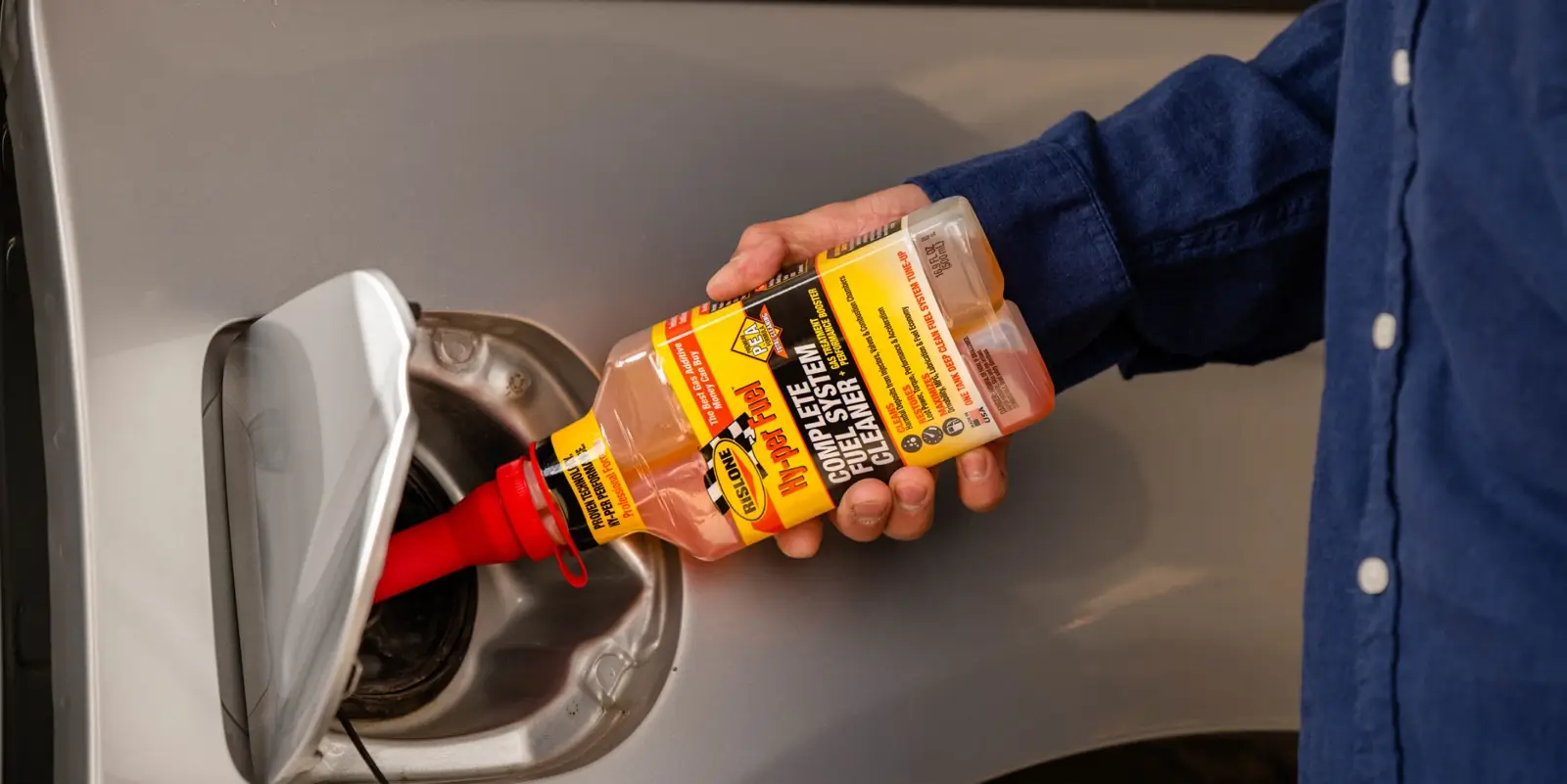
Another factor to consider is the type of fuel used. In my observations, vehicles that frequently utilize low-quality fuel are more prone to sludge and buildup in the tank. This is often due to the presence of impurities in cheaper fuels, which can leave deposits over time. Using higher-quality fuel and additives designed to clean the fuel system can help mitigate these issues. However, it’s worth noting that even high-quality fuels can degrade if left in the tank for too long.
In some cases, particularly with older vehicles, the tank itself may be compromised. Rust formation can occur in metal tanks, especially if the tank has been exposed to moisture or if the protective coatings have worn away. This corrosion can lead to leaks, which not only affect fuel efficiency but can also pose safety hazards. In such instances, cleaning alone may not suffice; a tank replacement may be necessary to ensure the integrity of the fuel system.
Regular maintenance checks can help identify potential issues before they escalate. I have often found that a simple inspection of the fuel gauge and the tank’s exterior can reveal signs of rust or leaks that might otherwise go unnoticed. Additionally, monitoring fuel consumption patterns can alert drivers to underlying problems early on. If the vehicle begins to consume fuel at an unusual rate, it may indicate that contaminants are obstructing the fuel delivery system.
Environmental factors also play a significant role in the health of a fuel tank. Vehicles operating in humid climates are more susceptible to moisture accumulation, which can accelerate rusting and the growth of biological contaminants such as algae. I’ve encountered vehicles in such environments that required more frequent cleaning and inspection of the fuel system. Conversely, in arid regions, while rust may be less of a concern, dust and debris can still infiltrate the tank, leading to similar problems.
Fuel tank cleaning is not merely a preventive measure; it can be a necessary step in maintaining vehicle performance and safety. As I have seen in various situations, neglecting this aspect of vehicle upkeep can lead to costly repairs and inconveniences. For those who regularly use their vehicles, especially in commercial settings, incorporating fuel tank inspections and cleaning into routine maintenance can save time and resources in the long run.
In conclusion, while the cleaning of a fuel tank may seem like a minor aspect of vehicle maintenance, it holds significant implications for overall vehicle performance. Regular inspections and cleaning can prevent the buildup of harmful contaminants, ensuring that the fuel system operates efficiently. Understanding the conditions that lead to fuel tank issues and addressing them proactively can help maintain the longevity and reliability of the vehicle. As with many elements of automotive care, a small investment of time and effort can yield substantial benefits in performance and safety.