Oil leaks are a frequent issue in the realm of automotive maintenance, often manifesting as a slow drip or a noticeable puddle beneath a vehicle. These leaks can originate from various components, each presenting its own set of challenges and implications for vehicle performance. Drawing from years of hands-on experience, I’ve encountered numerous scenarios where oil leaks have not only caused immediate concern but have also led to more significant mechanical problems if left unaddressed.
One of the most common culprits of oil leaks is the oil pan gasket. This component seals the oil pan to the engine block and is subjected to significant stress due to heat cycling and engine vibrations. Over time, the gasket material can harden, crack, or become brittle, especially in high-mileage vehicles. In such cases, it’s not uncommon to see oil seeping from the edges of the pan, often exacerbated by the engine’s operating temperature. A small leak may seem harmless initially, but it can lead to a gradual loss of oil, which, if not monitored, can result in low oil levels and increased wear on engine components.
Another frequent source of oil leaks is the valve cover gasket. Positioned atop the engine, this gasket seals the valve cover and prevents oil from escaping into the engine bay. Given its location, it is often exposed to higher temperatures and vibrations, making it susceptible to wear. A failing valve cover gasket may produce noticeable oil residue around the edges of the cover, and in some cases, oil can even drip onto the exhaust manifold, creating smoke and odors.
The rear main seal is another critical point of concern. Located at the rear of the engine, this seal prevents oil from leaking out where the crankshaft exits the engine block. If this seal fails, the oil can escape, leading to significant oil loss. The challenge with the rear main seal is its inaccessibility; replacing it often requires removing the transmission, which can be labor-intensive and costly. Symptoms of a rear main seal leak include oil pooling on the transmission bell housing and a noticeable drop in oil levels.
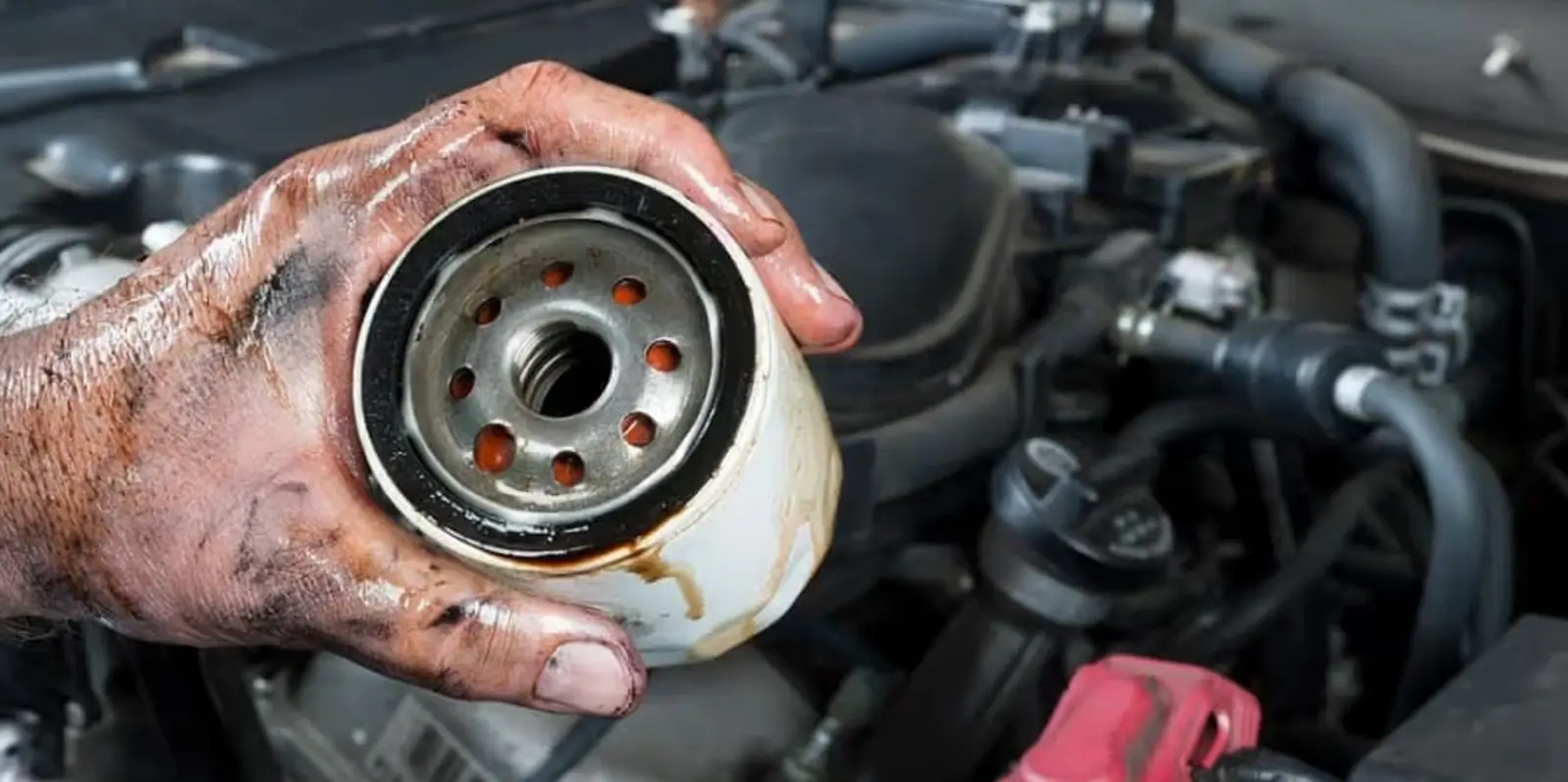
In addition to gaskets and seals, oil leaks can also occur due to loose or damaged oil filter installations. An improperly tightened oil filter can lead to oil seeping out under pressure, especially during engine operation. This situation can be exacerbated if the filter is old or if the rubber O-ring is damaged or not properly seated. Regular inspection of the oil filter during oil changes can help mitigate this issue.
It’s also worth noting that older vehicles with significant mileage may develop leaks due to wear and tear on various components. For instance, the oil cooler lines can corrode or become brittle over time, leading to leaks. Similarly, the oil pump may develop issues that cause leaks at the gasket or seal points. Such leaks can often be overlooked until they result in a more serious problem, such as engine overheating or oil starvation.
Heat, load, and time are significant factors that contribute to the deterioration of seals and gaskets. As engines operate, they generate heat, which can cause materials to expand and contract. This constant cycle can lead to fatigue in the sealing materials, ultimately resulting in leaks. High-performance engines, which operate at elevated temperatures and loads, may experience these failures more frequently than standard engines.
Another aspect that can complicate oil leaks is the influence of external factors such as road conditions and driving habits. Vehicles that frequently encounter rough terrains or extreme weather conditions may be more prone to developing leaks. For instance, off-road vehicles often experience harsher vibrations and impacts, which can lead to premature wear of seals and gaskets. Additionally, vehicles that are frequently driven at high speeds may experience increased oil pressure, which can exacerbate existing weaknesses in sealing components.
Identifying the source of an oil leak can sometimes be a challenging task. The location of the leak may not always correlate with the source. Oil can travel along engine components and drip down in unexpected places, making it difficult to pinpoint the exact origin. A common practice in the industry is to clean the engine thoroughly, then monitor it after a short period of operation to observe where new oil accumulates. This approach can be particularly useful for diagnosing leaks from areas that are difficult to access or inspect visually.
While some oil leaks can be relatively harmless, others may indicate more profound issues. For instance, a small seepage from a valve cover gasket may not pose an immediate threat but could lead to oil contamination of spark plugs, resulting in misfires. Conversely, a substantial leak from the rear main seal can lead to severe engine damage if not addressed, as it may result in low oil levels and subsequent engine failure.
Regular maintenance is essential for preventing and addressing oil leaks. Routine inspections of the engine bay, paying particular attention to gaskets and seals, can help catch problems early. Monitoring oil levels and changing the oil at recommended intervals can also mitigate the risk of leaks. Keeping the engine clean and free of debris allows for easier detection of new leaks, which is critical for maintaining vehicle health.
In summary, oil leaks are a common issue that can stem from various components within automotive systems. Understanding the sources, symptoms, and potential consequences of these leaks is crucial for effective vehicle maintenance. By remaining vigilant and attentive to the signs of oil leaks, vehicle owners can take proactive measures to ensure their engines operate smoothly and efficiently. The cost of ignoring these issues can extend beyond simple repairs, leading to more extensive damage that may compromise vehicle performance over time.