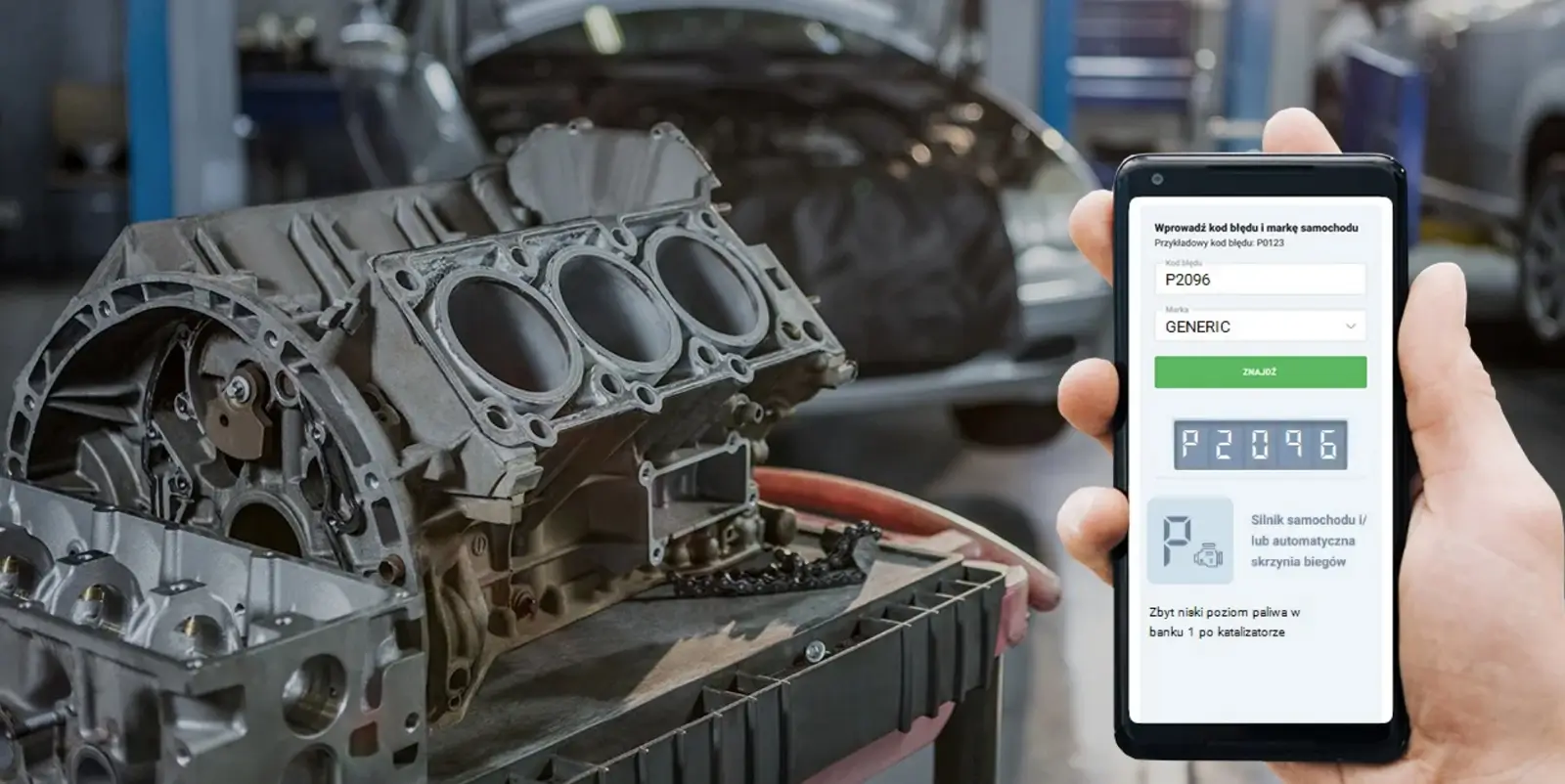
In the realm of automotive diagnostics, the P2096 trouble code stands out as a common yet often misunderstood issue. This code indicates that the post-catalytic converter fuel trim for bank one is too lean. Over the years, I have encountered this code in various makes and models, each time uncovering layers of complexity that can arise from seemingly simple symptoms. A lean condition post-catalytic converter suggests that the engine is not receiving enough fuel relative to the amount of air, which can lead to a variety of performance and emissions issues.
The first observation when dealing with a P2096 code is the context in which it appears. This code often surfaces after repairs or maintenance involving the fuel system, exhaust system, or even the engine management system. For instance, a vehicle that has just undergone an oxygen sensor replacement may trigger this code if the new sensor is malfunctioning or improperly calibrated. It’s a reminder that every component in the engine management system is interlinked, and changes to one can affect the others.
The symptoms associated with a P2096 code can vary widely. While some vehicles may exhibit noticeable performance issues, such as rough idling, stalling, or reduced power, others might seem to run smoothly but still trigger the code. This discrepancy can be particularly frustrating. In my experience, vehicles equipped with more advanced engine management systems often rely on multiple sensors and feedback loops to adjust the air-fuel mixture. This means that the presence of a P2096 code could indicate that the system is trying to compensate for a problem elsewhere, such as a failing mass air flow (MAF) sensor or a vacuum leak.
Common Causes and Their Implications
Several factors can lead to a P2096 code, and understanding these can help narrow down the diagnosis. One of the most frequent culprits is a vacuum leak. When air enters the intake system unmetered, it can skew the air-fuel mixture, causing the system to read lean. I have seen this occur in older vehicles where hoses become brittle and crack, particularly under the hood where heat cycles are frequent. The location of the leak can vary; it may be in a vacuum hose, an intake manifold gasket, or even a brake booster line. Each of these points requires careful inspection, as the symptoms can mimic other issues.
Another common cause of the P2096 code is fuel delivery problems. A failing fuel pump, clogged fuel filter, or malfunctioning fuel injectors can restrict the amount of fuel reaching the engine. In one instance, I encountered a late-model pickup truck with a P2096 code that was traced back to a partially clogged fuel filter, which had gone unnoticed during routine maintenance. This highlights the importance of thorough inspections; sometimes, issues that seem unrelated can be interconnected.
Additionally, the quality of fuel cannot be overlooked. Poor-quality fuel can lead to incomplete combustion, resulting in unburned fuel passing through the exhaust system. This can confuse the oxygen sensors, leading to erroneous readings and, ultimately, a lean condition. In regions where fuel standards may vary or where fuel quality is inconsistent, it’s worth considering fuel-related issues when diagnosing a P2096 code.
Sensor and Computer Interactions
The role of sensors in diagnosing a P2096 code is critical. The engine control unit (ECU) relies heavily on inputs from the upstream and downstream oxygen sensors to determine the air-fuel mixture. If the downstream sensor is reading lean due to a fault in the exhaust system or a problem with the sensor itself, it can trigger the P2096 code. I have encountered situations where a simple sensor replacement resolved the issue, but only after ruling out other potential causes. This underscores the importance of not jumping to conclusions based solely on the trouble code without considering the broader context.
Moreover, the ECU’s programming can adapt to certain conditions, which can complicate diagnostics. For example, if a vehicle has been running lean for an extended period, the ECU may attempt to compensate by adjusting fuel trim values. This adaptive behavior can mask underlying issues, making it crucial for technicians to understand how long the code has been present and what conditions preceded its appearance. In my experience, clearing the code and monitoring the vehicle under various loads and conditions often provides valuable insights into the true state of the engine management system.
Real-World Scenarios and Considerations
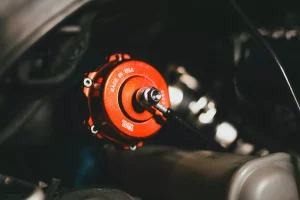
In my time working on a variety of vehicles, I have seen the P2096 code manifest in several unique scenarios. For example, a commercial vehicle equipped with a turbocharged engine presented a P2096 code during high-load conditions. The issue was traced back to a failing wastegate that was causing excessive boost pressure, leading to a lean condition. This scenario serves as a reminder that performance modifications or malfunctions can introduce unexpected variables into the air-fuel mixture equation.
Another instance involved a passenger car that had recently undergone extensive engine work. After a head gasket replacement, the vehicle started to exhibit a P2096 code along with some noticeable performance issues. A thorough re-examination of the intake system revealed that a gasket had not been seated properly, allowing air to bypass the MAF sensor. This not only caused the lean condition but also created a host of other issues related to engine performance and emissions.
When addressing a P2096 code, it is essential to consider the potential ramifications. While some symptoms may appear benign, a persistent lean condition can lead to more severe problems over time, including engine misfires, increased emissions, and even damage to the catalytic converter. In my experience, it is prudent to address the root cause of the issue promptly rather than allowing it to linger.
Moreover, the implications of a P2096 code extend beyond immediate performance concerns. Many vehicles equipped with onboard diagnostics are subject to emissions regulations. A persistent trouble code can lead to failed emissions tests, which can have financial implications for vehicle owners. Understanding the broader context of the P2096 code can aid in making informed decisions about repairs and maintenance.
In summary, the P2096 trouble code is a complex issue that requires careful consideration of multiple factors. From vacuum leaks to fuel delivery problems and sensor interactions, there are numerous pathways that can lead to a lean condition post-catalytic converter. Each vehicle presents its own set of challenges, and the key to effective diagnosis lies in a thorough, methodical approach. As vehicles continue to evolve with advanced technology, maintaining a keen awareness of these nuances will remain essential in the field of automotive diagnostics.