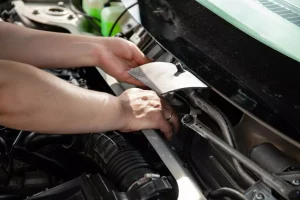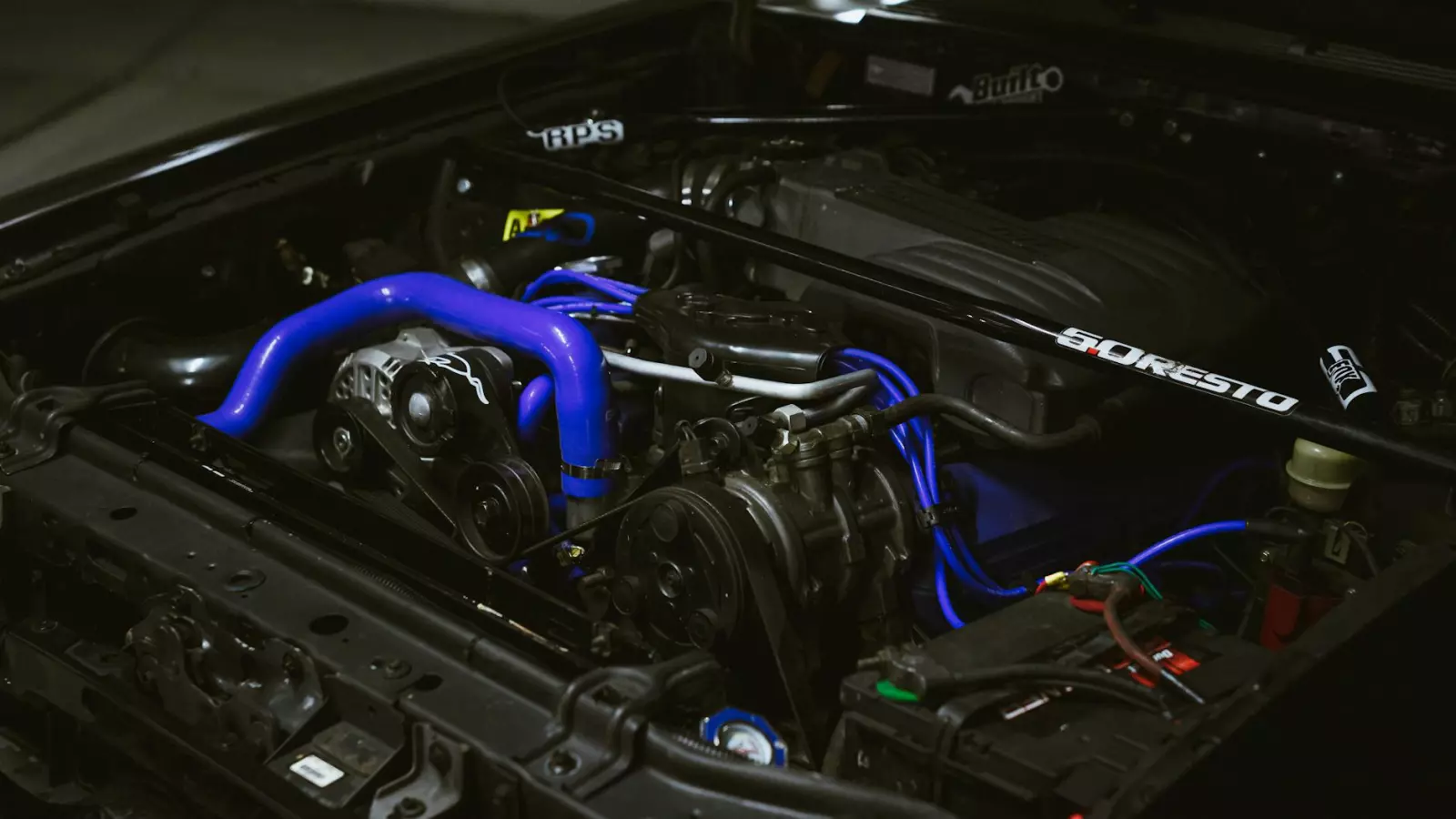
Radiator hoses, often overlooked in routine maintenance, play a critical role in the cooling system of any vehicle. They are responsible for transporting coolant from the engine to the radiator and back, ensuring that the engine operates within its optimal temperature range. Over time, these hoses can experience wear and degradation due to heat, pressure, and the continuous flow of coolant. As an automotive expert with years of hands-on experience, I have encountered various issues that arise from radiator hose deterioration, which can lead to significant problems if not addressed promptly.
One of the most common failures I have observed with radiator hoses is the development of leaks. These leaks often occur at the connections where the hoses meet the engine or the radiator. The heat generated by the engine can cause the rubber to harden and crack, leading to a slow seep or a more dramatic burst. In some cases, the hose may not show visible signs of wear until it fails, resulting in a sudden loss of coolant and potential overheating of the engine. This situation can be particularly troublesome during long drives or in heavy traffic when the engine is under significant load.
Another frequent issue is the buildup of pressure within the cooling system. When a radiator hose is partially blocked or kinked, it can restrict the flow of coolant. This restriction can lead to increased pressure, which may cause the hose to bulge or rupture. I have seen instances where a kinked hose, while seemingly intact, resulted in catastrophic failure due to the pressure buildup. It is essential to ensure that hoses are routed correctly and are free from sharp bends or obstructions that could impede coolant flow.
Material Degradation and Its Impact
The materials used in radiator hoses have evolved, but many still utilize rubber or rubber composites. Over time, exposure to heat, chemicals, and UV light can cause these materials to degrade. I have encountered hoses that were less than five years old and already showing signs of wear, particularly those exposed to high temperatures consistently. The inner lining of the hose can break down, leading to the introduction of debris into the cooling system. This debris can cause blockages in the radiator or water pump, creating further complications.
In addition to the physical wear of the hose, there are chemical reactions that occur within the cooling system. If the coolant is not changed regularly, it can become acidic, leading to further degradation of the rubber. This degradation can manifest as cracking or swelling in the hoses, making them more susceptible to leaks. Regular inspection of the coolant condition is essential, as the coolant should maintain a neutral pH to prevent damage to the hoses and other components.
Environmental Factors and Installation Issues
Environmental conditions also play a significant role in the lifespan of radiator hoses. Vehicles operating in extreme temperatures, whether hot or cold, face different challenges. In colder climates, hoses can become brittle and more prone to cracking. Conversely, in hotter environments, hoses may soften and lose structural integrity. I have seen vehicles in regions with high temperature fluctuations experience premature hose failure due to the constant expansion and contraction of the material.
Improper installation can lead to issues as well. If hoses are not secured correctly, they can rub against other components, leading to abrasion and eventual failure. I have encountered situations where a hose was pinched during installation, leading to a kink that caused a pressure buildup. Such oversights can be costly, as they often result in a cascading series of failures throughout the cooling system.
Symptoms of Hose Failure
Recognizing the symptoms of potential radiator hose failure is crucial. One of the first signs is often a visible coolant leak or puddle underneath the vehicle. Additionally, if the engine temperature gauge begins to rise unexpectedly, it may indicate that the cooling system is not functioning properly, potentially due to a failing hose. Unusual engine sounds, such as gurgling or bubbling, can also signal an issue with the coolant flow, possibly stemming from a blockage in the hoses.
Another symptom to watch for is steam or vapor emitting from under the hood. This can be indicative of a significant leak or burst hose. In such cases, it is important to stop the vehicle immediately to prevent engine damage. I have seen engines overheated due to delayed action in addressing these signs, leading to costly repairs.
Preventative Measures and Maintenance
Preventing radiator hose failure involves regular inspection and maintenance. Visual checks can help identify cracks, bulges, or signs of wear before they lead to failure. I recommend checking hoses for softness or brittleness, as well as ensuring that all connections are secure. Replacing hoses as part of a scheduled maintenance plan, typically every four to five years, can prevent unexpected breakdowns.
It is also wise to consider the quality of replacement hoses. While OEM (Original Equipment Manufacturer) parts are often recommended, there are aftermarket options that can perform equally well. However, it is crucial to ensure that any replacement hoses meet the necessary specifications for temperature and pressure ratings. I have encountered instances where subpar hoses led to premature failures, negating any cost savings from using cheaper alternatives.
In the event of a hose replacement, careful attention should be paid to the routing and securing of the new hoses. Ensuring that they are not in contact with sharp edges or components that generate excessive heat can extend their lifespan significantly. Using clamps that are designed for the specific application can also prevent leaks at the connections.
Monitoring the condition of the coolant itself is another important aspect of maintenance. Regular changes and the use of high-quality coolant can help maintain the integrity of the hoses. Proper coolant levels should be checked frequently, as low coolant can lead to overheating and increased stress on the hoses.
While radiator hose issues may seem minor at first, they can lead to significant complications in the cooling system if not addressed promptly. By understanding the common challenges and symptoms associated with these components, vehicle owners can take proactive steps to ensure their systems remain in good working order. Observations from years in the field indicate that a proactive approach to maintenance can save time, money, and prevent potential breakdowns on the road.