A misfire in a vehicle’s engine can present as an elusive and frustrating problem. It’s not merely an inconvenience; it can lead to significant performance issues and potential long-term damage if left unaddressed. One of the more common instances I have encountered is a misfire specifically in cylinder 1. This particular scenario can manifest in various ways, and understanding the subtleties of this issue can make a difference in diagnosis and repair.
When a cylinder misfires, the engine fails to combust fuel properly in that specific cylinder. This can lead to a host of symptoms, including rough idling, poor acceleration, and decreased fuel efficiency. Often, the driver may notice a distinct change in the vehicle’s behavior, such as a hesitation during acceleration or an unusual vibration at idle. These symptoms can sometimes be mistaken for other issues, making accurate diagnosis critical.
In real-world situations, I have seen how environmental factors play a role in the occurrence of misfires. For instance, during colder months, the engine may take longer to reach its optimal operating temperature. This can exacerbate existing problems, particularly if the ignition components are worn. Spark plugs, ignition coils, and fuel injectors can all contribute to a misfire in cylinder 1. Over time and with heat cycling, these components can degrade, leading to inconsistent performance.
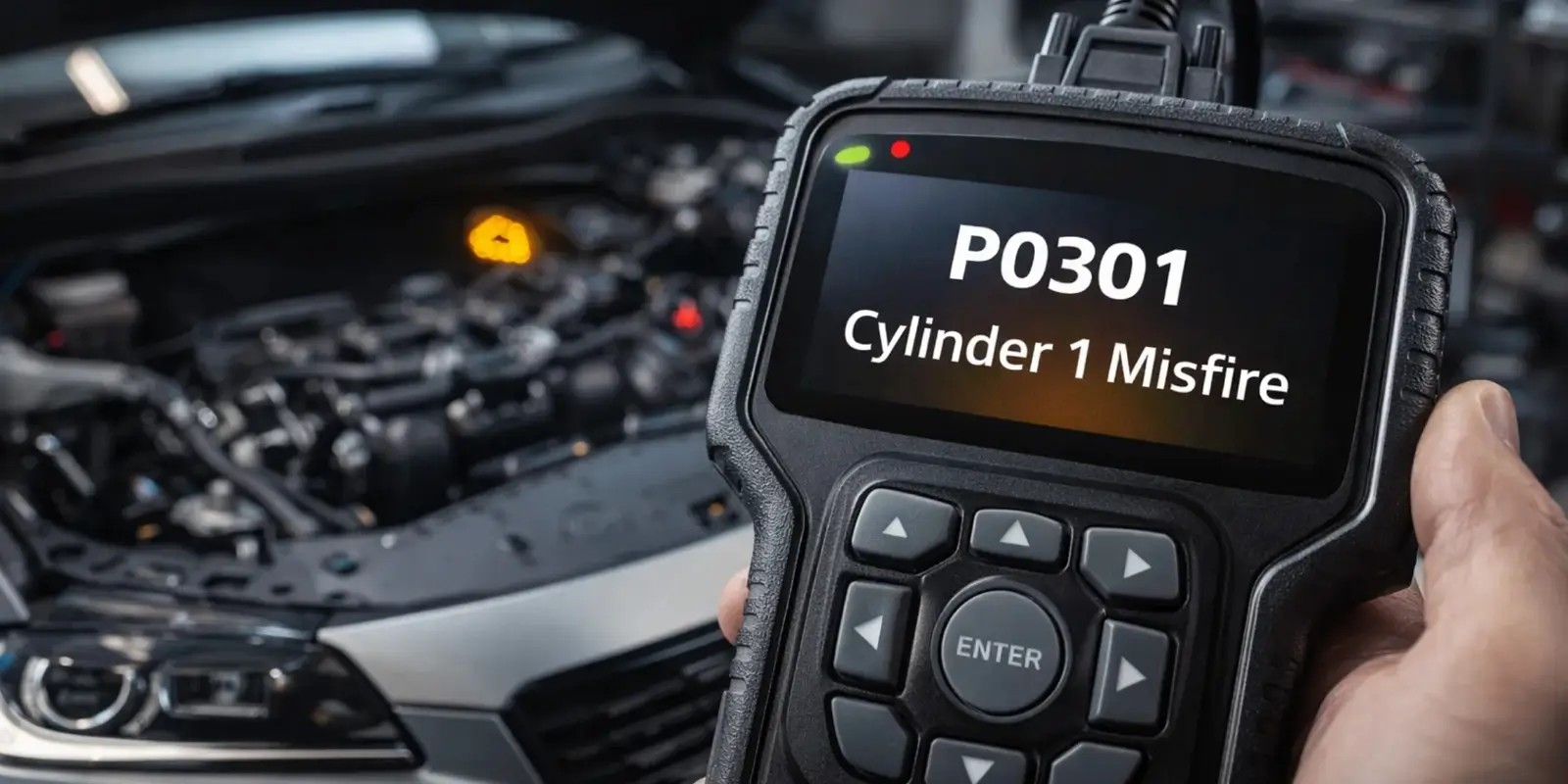
One of the first signs that something may be amiss is the illumination of the check engine light. When this light activates, the vehicle’s onboard diagnostic system has detected a fault. In the case of a cylinder 1 misfire, the specific trouble code generated is often P0301. This code serves as a starting point for further investigation. However, the real challenge lies in determining the underlying cause of the misfire.
A common oversight is focusing solely on the ignition system when diagnosing a misfire. While a faulty spark plug or ignition coil may indeed be the culprit, it is crucial to consider other possibilities as well. Fuel delivery issues can also lead to misfires, particularly if the fuel injector for cylinder 1 is clogged or malfunctioning. In one instance, I encountered a vehicle that exhibited a cylinder 1 misfire due to a partially blocked fuel injector. The owner had replaced the spark plugs and ignition coils without addressing the fuel system, leading to ongoing issues.
Mechanical problems can also contribute to misfires. For example, a leaking intake manifold gasket can allow excess air to enter the cylinder, disrupting the air-fuel mixture necessary for combustion. Similarly, worn piston rings or valves can lead to compression loss, resulting in a misfire. I recall a case involving a vehicle with a misfire that seemed to worsen under load. After thorough diagnosis, it was determined that the engine had a compression issue due to worn piston rings, which required a more extensive repair.
Temperature and load conditions can further complicate the diagnosis of a misfire. For instance, a vehicle may run smoothly at idle but exhibit misfire symptoms under acceleration. This can often be attributed to a failing ignition coil that cannot handle the increased demand for spark energy. In another scenario, I observed a vehicle that misfired only when driving uphill. The added load stressed the ignition system, revealing an underlying weakness that was not apparent during normal driving conditions.
Another aspect to consider is the electrical connections associated with the ignition and fuel systems. Corroded connectors or damaged wiring can lead to intermittent issues that may not trigger a diagnostic code immediately. A thorough visual inspection of these components is essential. I have encountered cases where simply cleaning connections or replacing a damaged wire resolved misfire issues that had been perplexing both the owner and previous technicians.
In terms of maintenance, regular checks of the ignition system can prevent misfires. Spark plugs should be inspected and replaced according to the manufacturer’s recommendations. Ignition coils, particularly in older vehicles, can fail without warning, and it is prudent to replace them as part of a preventive maintenance strategy. Moreover, the fuel system should not be neglected. Fuel filters should be changed at regular intervals, and fuel injectors may benefit from periodic cleaning to ensure optimal performance.
In some cases, misfires can be transient, appearing only under specific conditions. For example, a vehicle may misfire during cold starts but run perfectly once warmed up. This could indicate an issue with cold-start enrichment or the engine management system. Diagnosing these intermittent problems often requires patience and a methodical approach, as the root cause may evade detection during a standard diagnostic process.
The implications of a cylinder 1 misfire can range from minor performance issues to severe engine damage if not addressed promptly. Ignoring a misfire can lead to increased fuel consumption and, ultimately, damage to the catalytic converter due to unburned fuel entering the exhaust system. I have seen cases where prolonged misfires resulted in catalytic converter failure, necessitating expensive replacements.
In summary, while a cylinder 1 misfire can initially appear as a straightforward issue, it often involves a complex interplay of factors including ignition, fuel delivery, and mechanical integrity. Each case can present unique challenges, and a thorough understanding of the engine’s systems is essential for accurate diagnosis and repair. It is a reminder of the importance of comprehensive vehicle maintenance and the need to address symptoms promptly before they escalate into more significant problems.