In the realm of automotive maintenance, coolant leaks are an issue that many vehicle owners face at some point. These leaks can manifest in various forms, from minor drips to significant puddles forming beneath the vehicle. Understanding the underlying causes of these leaks is crucial for effective diagnosis and repair. Over the years, I have encountered numerous scenarios where coolant leaks have been a persistent problem, often leading to more complex engine issues if not addressed promptly.
Coolant, or antifreeze, plays a vital role in regulating engine temperature. It absorbs heat from the engine and dissipates it through the radiator. When a leak occurs, it can lead to overheating, which may cause severe engine damage. The effects of a coolant leak can vary depending on the severity and location of the leak, as well as the operating conditions of the vehicle.
Sources of Coolant Leaks
There are several areas within a vehicle where coolant leaks are commonly found. Each of these areas has specific characteristics that can provide clues as to the source of the leak.
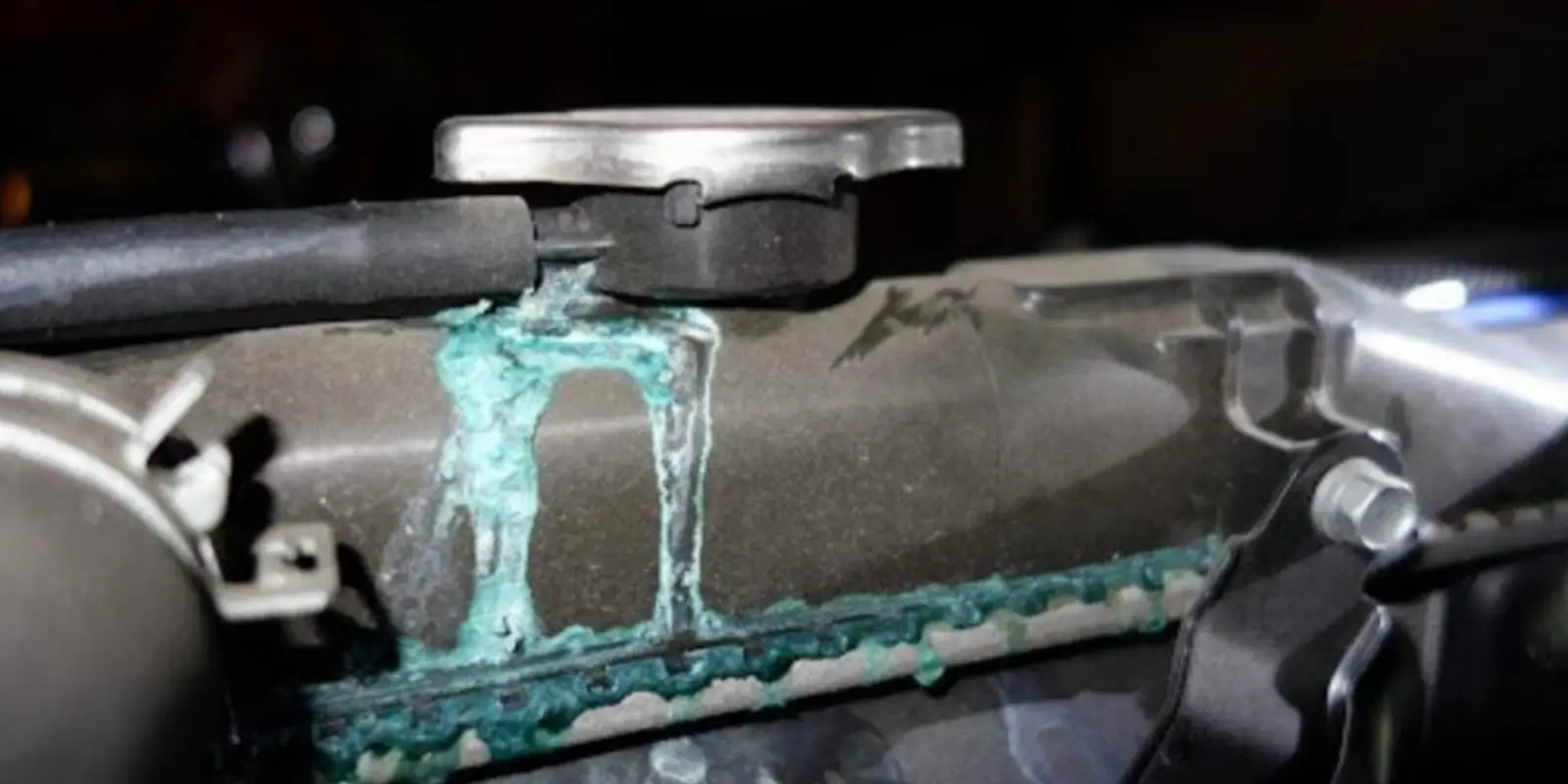
1. Radiator: The radiator is one of the primary components responsible for cooling the engine. Over time, the radiator can develop corrosion or cracks. This is especially true for older vehicles or those that have not had regular maintenance. Corrosion can lead to pinhole leaks, which may only become noticeable when the engine is under load or at operating temperature.
2. Hoses and Clamps: The hoses that transport coolant throughout the engine are often made of rubber, which can deteriorate over time due to heat and exposure to chemicals. Hoses can crack or become loose at the fittings, leading to leaks. Clamps that hold these hoses in place can also weaken, resulting in a compromised seal.
3. Water Pump: The water pump is essential for circulating coolant throughout the engine and radiator. If the water pump develops a leak, it often shows signs of coolant pooling around its base. The mechanical seal in the water pump is a common failure point, particularly in high-mileage vehicles.
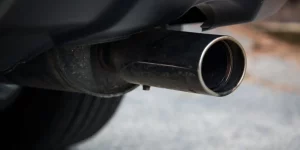
4. Head Gasket: A blown head gasket can lead to serious engine issues. It can allow coolant to leak into the combustion chamber or out of the engine entirely. Symptoms include a sweet smell from the exhaust or white smoke, indicating that coolant is burning in the engine. This type of leak can be catastrophic and often requires extensive repairs.
5. Thermostat Housing: The thermostat regulates the flow of coolant based on engine temperature. If the gasket or housing is compromised, it can lead to leaks. This area is often overlooked during routine inspections, making it a common source of leaks that can go unnoticed until significant damage occurs.
6. Freeze Plugs: Freeze plugs, or core plugs, are designed to prevent engine block cracking during freezing temperatures by allowing coolant to expand. Over time, these plugs can corrode and fail, leading to leaks. They are often difficult to access, making them a less obvious source of coolant loss.
Symptoms of Coolant Leaks
Identifying a coolant leak early can save a vehicle owner from more extensive repairs down the line. Some common symptoms include:
– Low Coolant Levels: Regularly checking the coolant reservoir can help spot a leak before it becomes severe. A sudden drop in coolant level often indicates a leak somewhere in the system.
– Overheating Engine: If the engine temperature gauge rises unexpectedly, it may be due to insufficient coolant. This can lead to overheating and potential engine damage.
– Puddles Underneath the Vehicle: Noticing a green, orange, or pink fluid pooling under the vehicle can be a strong indicator of coolant leakage. The color often depends on the type of coolant used.
– Sweet Smell: Coolant has a sweet odor. If you notice this smell around the engine compartment or exhaust, it could indicate a leak.
Observations
In my experience, the most common coolant leaks tend to originate from the hoses and clamps. Rubber hoses can become brittle and crack, particularly in older vehicles or those exposed to extreme temperatures. Additionally, while inspecting a vehicle, it’s not uncommon to find that hose clamps have loosened over time, allowing coolant to escape.
Another frequent observation is the condition of the radiator. In many vehicles, especially those with high mileage, the radiator can develop corrosion or accumulate debris that obstructs proper coolant flow. This can lead to overheating, which exacerbates wear on the radiator and increases the likelihood of leaks.
When working on vehicles with a history of overheating, I have often found that the head gasket is a point of concern. If a vehicle has previously overheated, it is prudent to inspect the head gasket for signs of failure. A blown head gasket can lead to mixing of oil and coolant, which has long-term implications for engine health.
Temporary Solutions and Their Implications
In some cases, vehicle owners may resort to using products designed to seal leaks, such as radiator stop leak additives. While these can provide a temporary fix, they often do not address the root cause of the leak and can lead to additional issues. These products can clog narrow passages in the cooling system, potentially causing overheating or damage to other components.
Using a stop leak product may provide immediate relief, but it is crucial to understand that this is not a substitute for proper repair. In my experience, while these solutions may allow a vehicle to remain operational for a time, they can lead to more significant problems down the road if the underlying issue is not resolved.
Long-Term Solutions
Addressing the source of a coolant leak often requires a thorough inspection of the cooling system. This includes checking all hoses, connections, and components for signs of wear or damage. For persistent leaks, replacing affected parts is typically the most reliable solution.
When replacing a radiator, it is essential to ensure that the new unit is compatible with the vehicle and that all connections are secure. The same level of attention should be given to hoses and clamps, as inadequate installations can lead to future leaks.
For head gasket issues, more extensive repairs may be necessary, often involving engine disassembly. This can be a costly and time-consuming process, but it is essential for restoring the vehicle to reliable operating condition.
Caution and Best Practices
Regular maintenance is key to preventing coolant leaks. Periodically inspecting the cooling system, especially before long trips or during seasonal changes, can help identify potential problems before they escalate. Keeping an eye on fluid levels and monitoring engine temperature can also provide early warning signs of trouble.
Coolant leaks are a common issue that can arise from various components within a vehicle’s cooling system. Understanding the sources and symptoms of these leaks is essential for effective diagnosis and repair. While temporary fixes may provide short-term relief, addressing the root cause is crucial for long-term vehicle health and performance.