In the world of automotive maintenance, two types of air filters play crucial roles in ensuring optimal vehicle performance and passenger comfort: engine air filters and cabin air filters. While they serve different functions, both are integral components that can significantly impact how a vehicle operates and how enjoyable the ride is for its occupants. Over the years, I have observed firsthand how neglecting these filters can lead to a variety of issues, often manifesting in ways that are not immediately obvious.
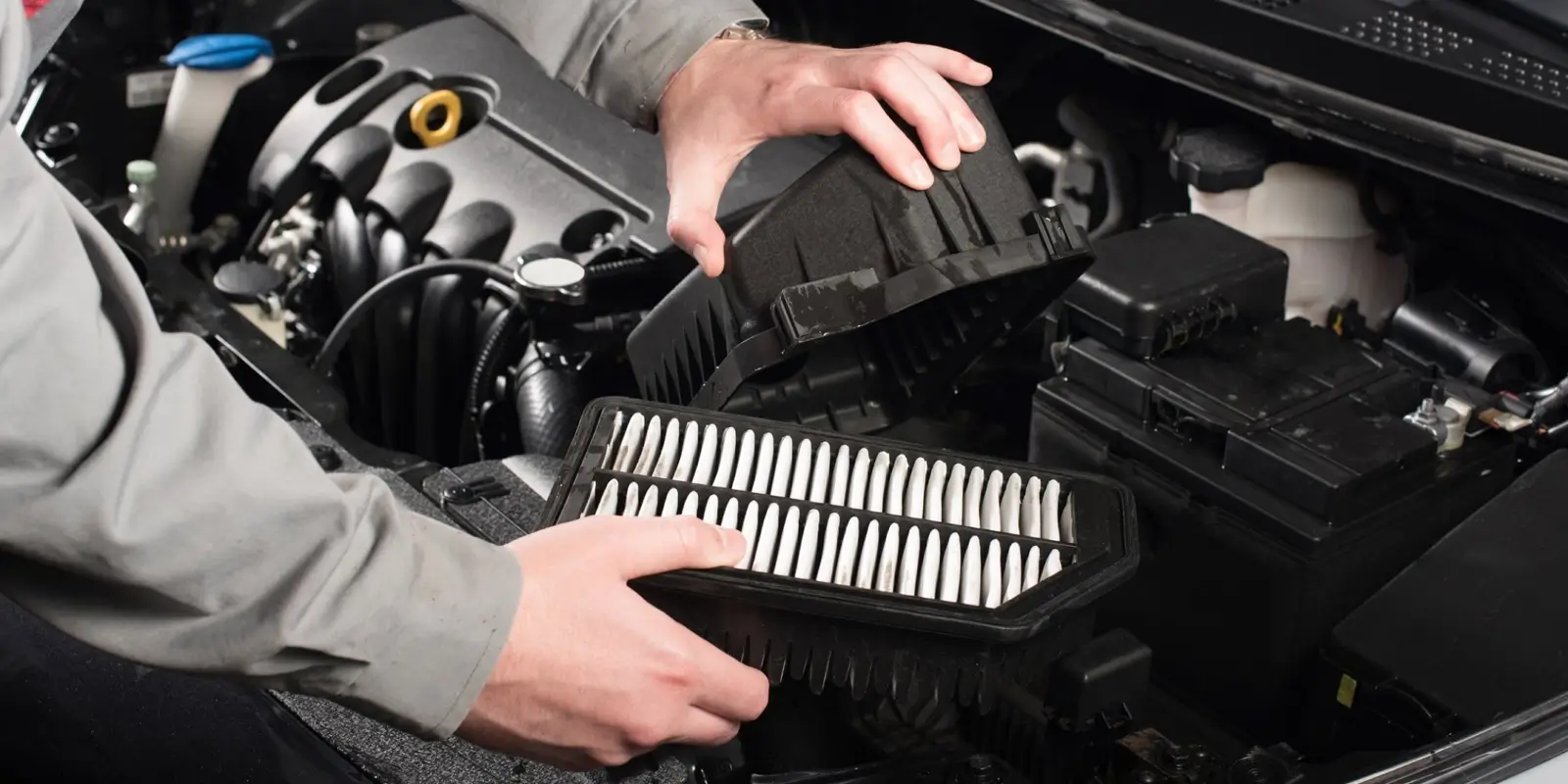
The engine air filter is responsible for filtering the air entering the engine’s combustion chamber. It prevents dirt, debris, and other contaminants from entering the engine, which could otherwise lead to performance degradation and potential engine damage. Typically located in the engine bay, the air filter is exposed to a range of conditions, including heat, vibration, and varying air pressures. This exposure can lead to the filter becoming clogged over time, especially in environments with high levels of dust or pollutants.
When an engine air filter becomes restricted, the engine can struggle to breathe. This is particularly noticeable under heavy acceleration or load. The symptoms may include reduced power output, decreased fuel efficiency, and an increase in engine strain. In some cases, drivers may experience a rough idle or stalling, especially in older vehicles where the engine management systems may not compensate as effectively for reduced air flow.
Conversely, the cabin air filter serves a different purpose. It filters the air that enters the passenger compartment through the heating, ventilation, and air conditioning (HVAC) system. This filter traps dust, pollen, and other particulates, which is especially important for occupants with allergies or respiratory issues. The cabin air filter is typically located behind the glove box or under the dashboard, making it less accessible than the engine air filter.
Over time, cabin air filters can become saturated with particles, leading to reduced airflow into the cabin. Drivers and passengers may notice that the HVAC system is not performing as effectively, with weaker airflow and unpleasant odors. In some instances, a clogged cabin air filter can even lead to moisture buildup in the HVAC system, creating an environment conducive to mold growth, which can further deteriorate air quality.
Real-world scenarios often highlight the importance of regularly inspecting and replacing these filters. For instance, I once worked on a fleet of delivery vans operating in a dusty industrial area. The engine air filters were frequently clogged, leading to increased fuel consumption and a series of misfires. The issue was compounded by the drivers’ focus on other maintenance tasks while overlooking this critical component. Once the air filters were replaced, the vehicles exhibited improved performance and reduced fuel costs, demonstrating the direct impact of clean air filters on operational efficiency.
Similarly, I recall a case involving a family SUV that had developed a persistent musty smell when the air conditioning was engaged. Upon inspection, the cabin air filter was found to be excessively dirty and clogged. Replacing the filter not only eliminated the odor but also improved airflow, enhancing the overall comfort of the vehicle for the family.
It is essential to recognize the different service intervals and requirements for these filters. Engine air filters may require replacement every 15,000 to 30,000 miles, depending on driving conditions. In contrast, cabin air filters might need attention every 12,000 to 15,000 miles, particularly in urban areas with high levels of particulate matter. However, these intervals can vary based on environmental factors. Vehicles driven in harsher conditions, such as off-road environments or in heavy traffic, may require more frequent changes.
Another important consideration is the impact of filter quality on performance. While aftermarket filters can offer cost savings, the quality of materials and design can vary significantly. In my experience, using OEM (Original Equipment Manufacturer) filters often results in better performance and longevity. This is particularly true for engine air filters, where the right fit can prevent unfiltered air from bypassing the filter altogether.
The interaction between the engine air filter and the cabin air filter is also worth noting. A well-functioning engine air filter can lead to more efficient engine operation, which in turn impacts the cabin air quality indirectly. For example, a vehicle that runs efficiently is less likely to produce excess exhaust fumes, which can infiltrate the cabin. Furthermore, a clean engine air filter ensures that the engine runs smoothly, reducing the likelihood of engine-related vibrations that can affect the HVAC system’s performance.
As vehicles continue to evolve with more sophisticated engine management systems and HVAC technologies, the importance of these filters becomes increasingly apparent. With the advent of turbocharging and direct fuel injection, the demands on engine air filters have intensified. These technologies require a precise air-fuel mixture for optimal combustion, making clean air intake essential for performance.
Similarly, with modern vehicles equipped with advanced climate control systems, the role of the cabin air filter has expanded. Many newer systems feature microfilters designed to capture smaller particles and allergens, underscoring the growing emphasis on passenger comfort and health.
The distinction between engine air filters and cabin air filters is significant, with each serving a unique and vital role in vehicle operation and comfort. Neglecting either can have consequences that extend beyond immediate performance issues. Regular maintenance of these components is crucial. Drivers should remain aware of their vehicle’s specific needs and the environmental conditions in which they operate. Ultimately, understanding the interplay between these filters and their impact on overall vehicle performance can lead to a more enjoyable and efficient driving experience.