Fuel injectors play a crucial role in the operation of modern internal combustion engines. They are responsible for delivering the precise amount of fuel to the engine’s combustion chamber, ensuring optimal performance and efficiency. Over the years, I have encountered numerous vehicles with fuel injector issues, and the symptoms often present in distinct patterns. These symptoms can range from subtle performance changes to severe operational failures.
In many cases, fuel injector problems can be traced back to specific factors such as fuel quality, engine load, and maintenance practices. The complexity of the fuel injection system, particularly in newer vehicles equipped with electronic fuel injection (EFI), can make diagnosing these issues a challenge. A deeper examination of the symptoms, conditions, and potential causes is essential for accurate diagnosis and effective repair.
Common Symptoms of Fuel Injector Failure
One of the most telling signs of a failing fuel injector is a noticeable drop in engine performance. Drivers may experience a rough idle, stalling, or a significant decrease in acceleration. This often occurs because the injector is either clogged or leaking, leading to an improper fuel-to-air ratio. In my experience, vehicles that frequently operate in dusty or dirty environments tend to experience injector clogging more rapidly. This is particularly evident in older models that do not have advanced filtration systems.
Another common symptom is an increase in fuel consumption. If the engine is not receiving the right amount of fuel due to a malfunctioning injector, it may compensate by injecting more fuel, leading to poor fuel economy. This can be particularly frustrating for drivers who rely on their vehicles for daily commuting or long-distance travel. In my observations, this symptom is often overlooked until the vehicle is taken in for routine maintenance, where fuel efficiency is evaluated.
Engine misfires are another critical indicator of fuel injector issues. When an injector fails to deliver fuel properly, it can cause one or more cylinders to misfire, leading to a rough running engine. This can be exacerbated under load, such as during acceleration or when climbing hills. I have seen this issue manifest in both gasoline and diesel engines, though the symptoms can vary slightly between engine types. The presence of misfires can also trigger the check engine light, prompting drivers to seek diagnostic assistance.
In some cases, fuel injector problems can lead to a distinct odor of fuel. This is particularly true when an injector is leaking fuel directly onto the engine or surrounding components. In my experience, this symptom should not be ignored, as it poses a fire hazard and indicates a potentially severe failure. Addressing this issue promptly can prevent more extensive damage to the engine or surrounding systems.
Conditions That Accelerate Injector Problems
Several environmental and operational conditions can contribute to fuel injector failures. One significant factor is the quality of fuel being used. Contaminants in fuel, such as dirt, water, and microbial growth, can lead to injector clogging and corrosion over time. I’ve often encountered vehicles that have been filled with low-quality fuel, leading to injector issues within a relatively short timeframe.
Heat is another critical factor. Fuel injectors operate under high temperatures, especially in turbocharged or high-performance engines. Prolonged exposure to excessive heat can degrade the injector seals and internal components, leading to leaks or inconsistent fuel delivery. This is particularly common in vehicles that frequently operate under high loads, such as towing or heavy hauling.
Time and mileage also play roles in injector health. Older vehicles, especially those with high mileage, are more prone to injector wear and failure. In my experience, fuel injectors in vehicles with over 100,000 miles often require inspection or replacement, particularly if the vehicle has not been regularly maintained.
Diagnosing Fuel Injector Issues
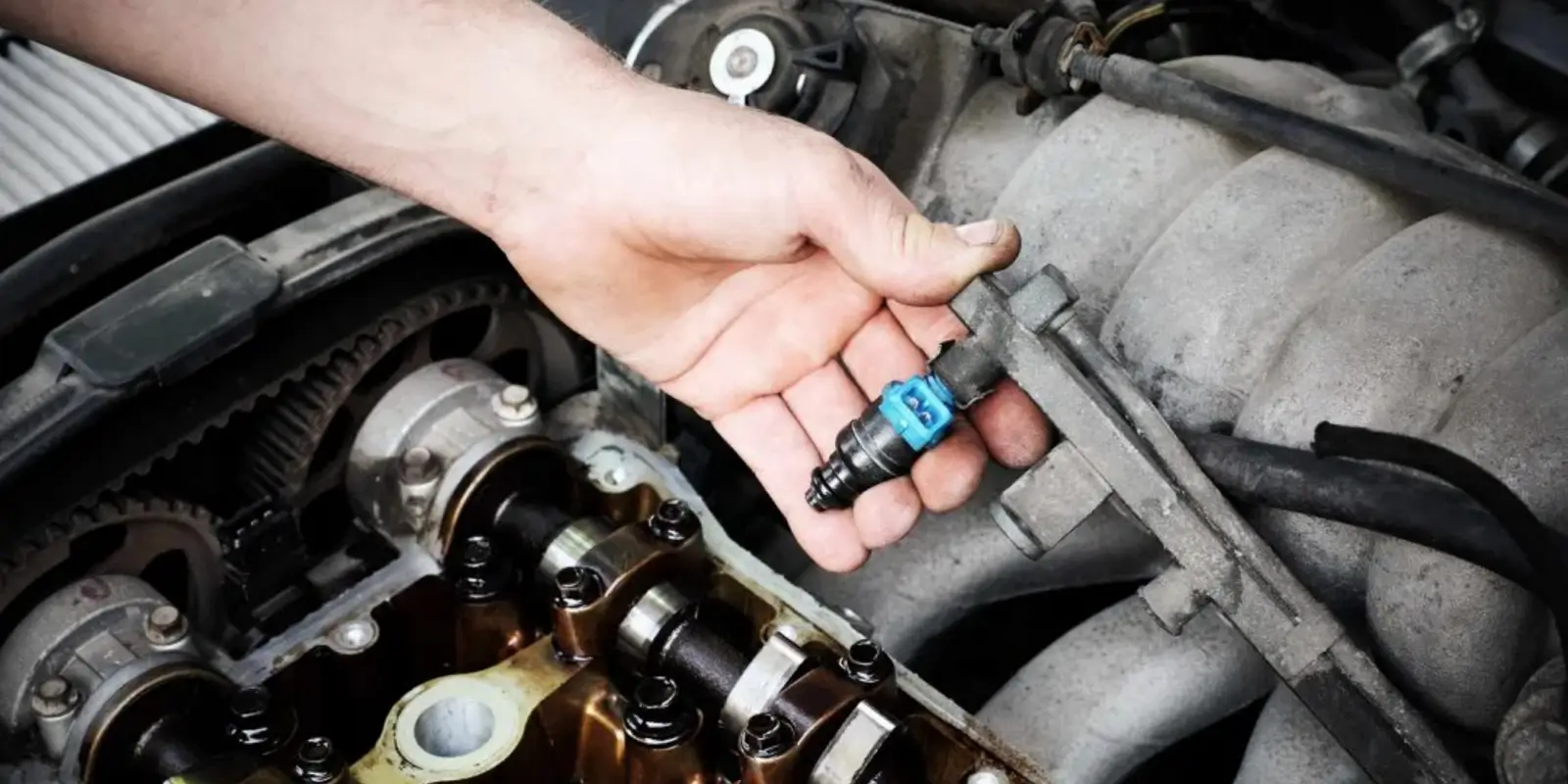
When diagnosing fuel injector problems, a systematic approach is often the most effective. Start with a visual inspection of the fuel injectors and surrounding components. Look for signs of fuel leakage, corrosion, or physical damage. In many cases, a simple inspection can reveal issues that are otherwise concealed.
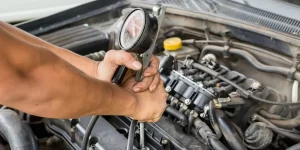
A fuel pressure test can also provide valuable insights. By measuring the fuel pressure at the injector rail, one can determine if the fuel pump and regulator are functioning correctly. Low fuel pressure can indicate a failing pump, while excessively high pressure may suggest a malfunctioning regulator. Both scenarios can lead to injector issues.
Another effective diagnostic tool is an injector balance test, which assesses the performance of each injector individually. This test can identify injectors that are delivering fuel inconsistently, allowing for targeted repairs or replacements. I have found that this method is particularly useful in identifying failing injectors without the need for extensive disassembly.
Observations and Considerations
One observation I’ve made over the years is the tendency for certain vehicle makes and models to experience injector issues more frequently than others. For instance, some domestic trucks may exhibit injector problems due to the specific design of their fuel systems, while certain European models may struggle with fuel quality sensitivity. Understanding these patterns can aid in anticipating potential issues during routine maintenance checks.
In addition, the introduction of direct fuel injection systems has changed the landscape of fuel injector issues. These systems, while efficient, can be more susceptible to carbon buildup on the intake valves, which can affect injector performance. I have seen this issue particularly in vehicles that primarily operate in urban environments, where short trips and stop-and-go traffic dominate.
Another factor to consider is the role of engine oil. In diesel engines, the quality of engine oil can impact injector performance. Contaminated oil can lead to injector wear and failure. Regular oil changes and the use of high-quality oil can mitigate these issues, but it is often overlooked in routine maintenance practices.
Fuel injectors are a vital component of modern automotive engines, and understanding the symptoms of their failure can greatly assist in diagnosis and repair. While some symptoms may seem benign, they can indicate more serious underlying issues. Regular maintenance, attention to fuel quality, and awareness of operational conditions can help prolong the life of fuel injectors and maintain optimal engine performance.
In my experience, being proactive about fuel injector health can save time, money, and potential safety issues down the road. As with many automotive components, early detection and intervention are key to ensuring a vehicle remains reliable and efficient.