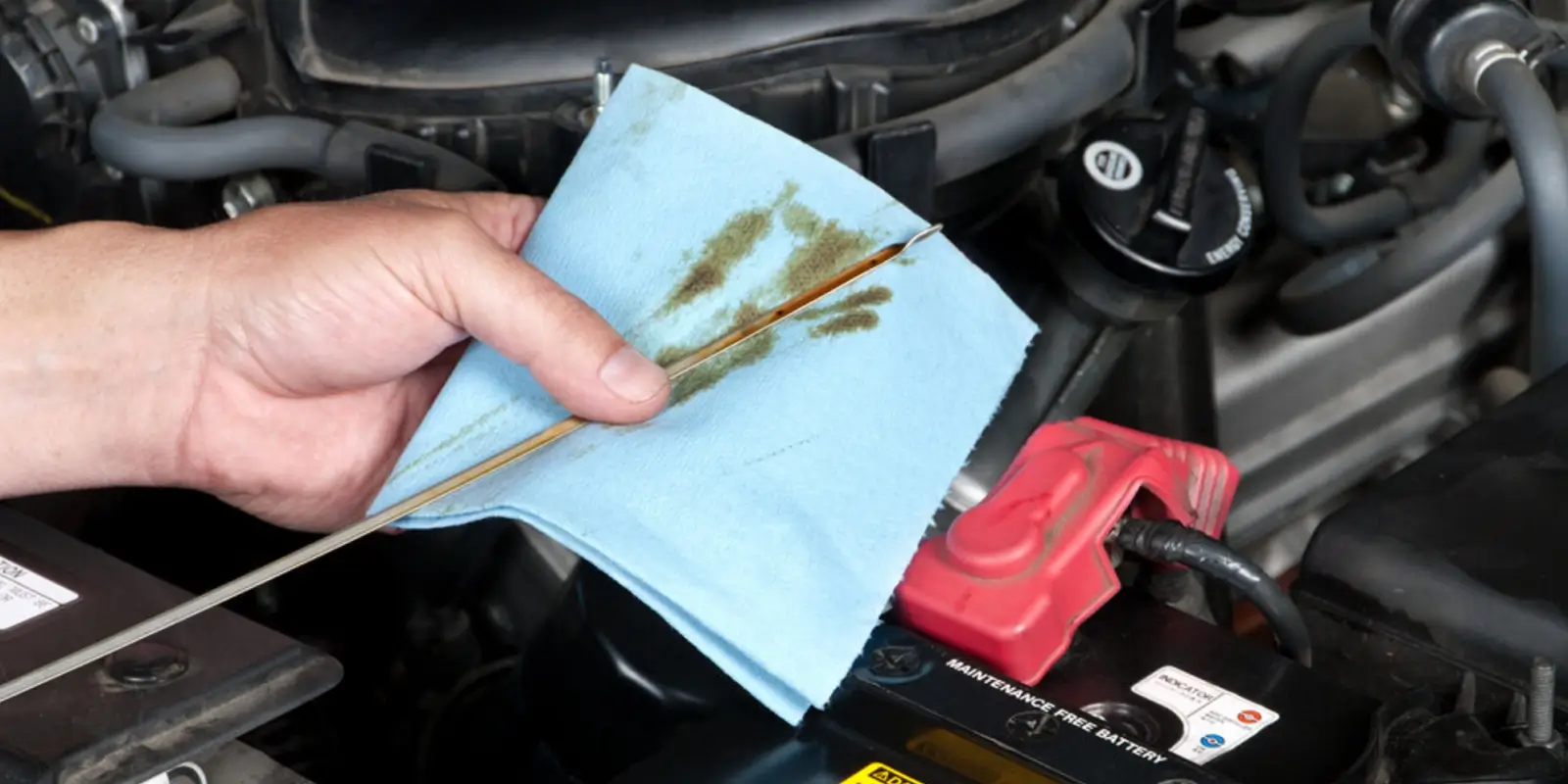
The color of engine oil can be a window into the health of an engine. Over the years, I have encountered various vehicles where the oil color served as an early indicator of underlying issues. While many car owners may not give much thought to the oil’s hue, those who work closely with engines understand that it can narrate a story of wear, contamination, or even impending failure.
When fresh, engine oil typically presents a clear amber or golden hue, depending on the specific formulation and additives used. This color is a result of the base oil combined with various additives designed to enhance performance and longevity. Over time, as the oil circulates through the engine, it undergoes several changes influenced by heat, contaminants, and mechanical wear.
As oil ages, its color can shift significantly. A common observation is that it darkens as it accumulates soot and other byproducts of combustion. In gasoline engines, oil may turn a deep brown or black. This is often a normal response to the oil’s interaction with combustion byproducts, especially in engines that may have a bit of blow-by. However, the rate of this darkening can provide insights into the engine’s condition and maintenance practices.
For instance, if an engine oil darkens within a few hundred miles, it may indicate excessive fuel dilution or insufficient combustion efficiency. This can be particularly noted in older vehicles or those with poorly functioning fuel injectors or carburetors. The presence of unburned fuel in the oil not only affects viscosity but also compromises the oil’s ability to protect engine components. In such cases, regular oil changes might not suffice, and deeper diagnostic work may be required to address the root cause.
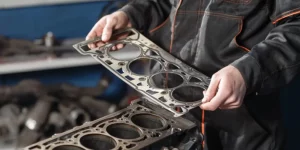
Another critical aspect of oil color is its clarity. If the oil appears milky or has a frothy consistency, it could suggest coolant contamination, which often points to a head gasket failure or a compromised oil cooler. This situation is particularly alarming, as it can lead to severe engine damage if not addressed promptly. The presence of water in the oil can significantly reduce its lubricating properties and lead to corrosion of internal components.
Conversely, if oil appears overly thin or has a very light color, it may indicate that the oil has broken down significantly or that a very low-quality oil is being used. High heat can cause oil to thin, losing its protective qualities, and can also lead to increased wear on engine components. This is particularly evident in high-performance or turbocharged engines, where temperatures can rise rapidly under load.
The impact of operating conditions cannot be overstated. For example, vehicles that frequently operate in stop-and-go traffic or under heavy loads may experience accelerated oil degradation. In these cases, I often recommend more frequent oil changes or the use of synthetic oils, which typically offer better thermal stability and resistance to oxidation compared to conventional oils.
Oil additives also play a significant role in the color and performance of engine oil. Detergents and dispersants help keep contaminants suspended and prevent sludge formation. However, over time, these additives can become depleted, leading to a buildup of particles that can darken the oil. Regular oil analysis can help determine when the additives have worn out, allowing for timely oil changes before significant engine wear occurs.
In some instances, I’ve encountered vehicles where the oil color remained surprisingly consistent over extended periods. This can be indicative of a well-maintained engine with good filtration and combustion efficiency. However, it’s essential to remember that color alone doesn’t tell the whole story. A thorough inspection of the oil for viscosity, particulate presence, and other characteristics is vital for accurate assessment.
The oil filter’s condition also plays a crucial role in maintaining oil quality. A clogged or degraded filter can lead to poor oil circulation and increased contaminant levels, which can, in turn, affect the oil color. In my experience, I have seen filters that were never replaced leading to significant oil breakdown and engine wear, even if the oil itself was changed regularly.
As I reflect on these observations, it becomes clear that while oil color is an important indicator of engine health, it should not be the sole factor in maintenance decisions. Regular oil changes, quality filters, and attention to driving conditions are all essential components of effective engine care. Monitoring oil color, combined with other diagnostic tools, can provide a comprehensive picture of engine health.
In practice, I’ve found that routine checks of oil color and condition during scheduled maintenance can preempt many issues. It’s an opportunity to catch problems before they escalate. For example, a customer once brought in a vehicle with a dark, sludgy oil that had not been changed in over 10,000 miles. A simple oil change might have been sufficient had it been performed earlier, but the neglect led to a more significant issue requiring repairs to the engine’s lubrication system.
Ultimately, while oil color is a useful diagnostic tool, it should be viewed within the broader context of vehicle maintenance. Each engine is unique, and its behavior will vary based on usage, environmental conditions, and overall care. By combining observations of oil color with a comprehensive understanding of engine dynamics, one can make informed decisions about maintenance and repairs.
In my experience, the key takeaway is that engine oil color is not just a cosmetic attribute; it is a vital signal of the engine’s health. Paying attention to it can help avert costly repairs and extend vehicle longevity.