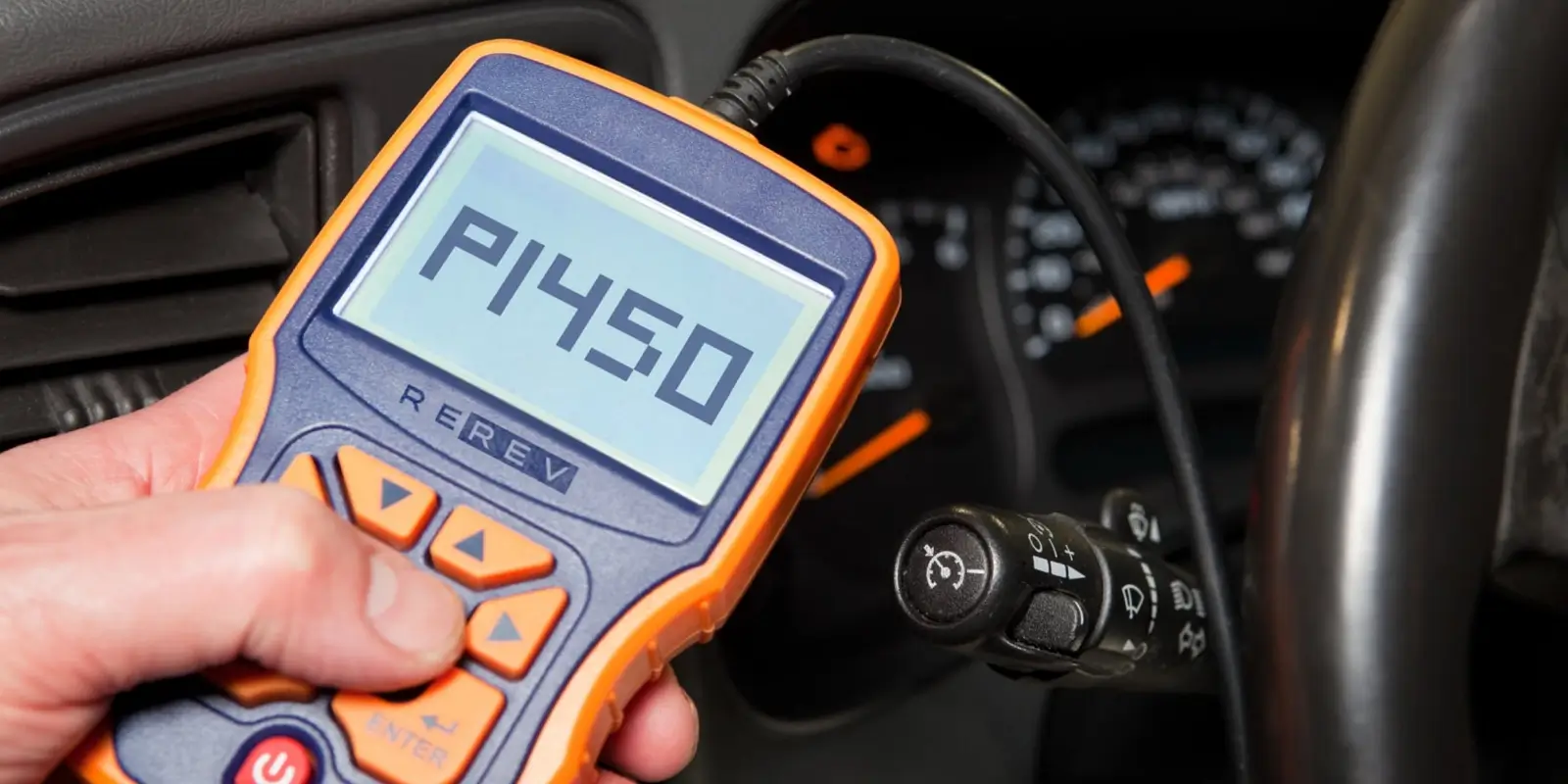
The P1450 diagnostic trouble code (DTC) signifies a problem with the fuel tank vacuum system. This code, often encountered in modern vehicles, can lead to a range of symptoms affecting performance and emissions. Having worked with various makes and models, I’ve observed firsthand the nuances of this issue and its implications on vehicle operation. Understanding the context of the P1450 code is essential for effective diagnosis and resolution.
When a vehicle’s engine control module (ECM) detects that the fuel tank is unable to bleed off vacuum properly, it triggers the P1450 code. This can be due to a variety of factors, including a malfunctioning evaporative emissions control system (EVAP), a blocked vent line, or even a faulty fuel cap. The EVAP system is designed to prevent fuel vapors from escaping into the atmosphere, and when it malfunctions, it can lead to increased pressure in the fuel tank. This pressure buildup can affect fuel delivery and engine performance, making it a critical issue to address.
One common scenario I’ve encountered is when the vehicle experiences difficulty starting, particularly after refueling. This symptom can be misleading, as it might suggest a fuel delivery problem rather than an issue with the vacuum system. In many cases, the problem stems from a clogged vent line or a stuck purge valve. Insufficient venting can create a vacuum that prevents fuel from being drawn into the engine, leading to hard starts or even stalling.
Identifying Symptoms of P1450
In practice, the symptoms associated with a P1450 code can vary significantly. Some drivers may notice a decrease in fuel efficiency, while others might experience a check engine light that illuminates intermittently. In my experience, the presence of additional codes related to the EVAP system, such as P0440 or P0442, can provide further insight into the underlying issue. These codes suggest that there’s a larger problem within the EVAP system that needs to be addressed.
Another symptom that often accompanies the P1450 code is the noticeable smell of fuel vapors, particularly around the fuel filler neck. This can signal a leak in the system, which not only poses a safety risk but also affects emissions compliance. In some vehicles, a malfunctioning fuel cap can trigger the P1450 code due to its inability to maintain proper pressure within the tank. This is a relatively straightforward issue to diagnose, yet it is often overlooked.
Common Causes of the P1450 Code
Real-world diagnostics show that the causes of the P1450 code are often linked to specific components within the EVAP system. The most frequent culprits include:
- Faulty Fuel Cap: An improperly sealed or damaged fuel cap can lead to pressure loss and trigger the P1450 code. This is often the first area to inspect.
- Blocked Vent Lines: Dirt, debris, or even insect nests can obstruct the vent lines, preventing the necessary airflow for proper fuel tank pressure management.
- Defective Purge Valve: If the purge valve is stuck open or closed, it can disrupt the vacuum regulation in the fuel tank.
- EVAP Canister Issues: A cracked or saturated canister can fail to store vapors properly, leading to pressure imbalances.
- Faulty Pressure Sensor: Some vehicles are equipped with pressure sensors that can fail, providing erroneous readings to the ECM.
It’s important to note that while many of these components can fail independently, they often work in concert as part of the EVAP system. A failure in one area can lead to cascading issues that affect other components.
Diagnostic Approach and Considerations
When diagnosing a P1450 code, a systematic approach is beneficial. Start by checking the fuel cap for proper sealing and condition. A simple visual inspection can often reveal cracks or damage that may not be immediately apparent. Next, I typically examine the vent lines for blockages. This can involve using compressed air to clear any obstructions, ensuring that there is no restriction that could impede airflow.
Using a scan tool can provide additional information beyond the P1450 code. Observing live data can help identify whether the purge valve is operating as intended, and if the pressure readings are within normal ranges. In some cases, a smoke test may be necessary to identify any leaks in the system. This method can be particularly effective in pinpointing issues that are not visible during a standard inspection.
It’s not uncommon for the P1450 code to appear in conjunction with other DTCs, particularly those related to the EVAP system. This can complicate the diagnostic process, as multiple issues may need to be addressed simultaneously. For instance, a P0442 (small leak in the EVAP system) may accompany a P1450, suggesting that there is both a vacuum issue and a potential leak. Addressing these codes in tandem often leads to a more comprehensive resolution.
Real-World Implications of Ignoring the P1450 Code
Ignoring the P1450 code can lead to several complications, particularly concerning vehicle performance and emissions. Over time, a malfunctioning evaporative system can lead to increased fuel consumption, as the engine struggles to achieve the correct air-fuel mixture. This inefficiency can result in higher operational costs and may accelerate wear on engine components.
From an environmental perspective, unresolved issues within the EVAP system can lead to increased hydrocarbon emissions. This is particularly important in regions with strict emissions regulations. A vehicle that fails to meet these standards can face fines or penalties, along with the potential for failed inspections. In some cases, persistent codes may even trigger a vehicle recall if manufacturer defects are identified.
Additionally, the potential for fuel tank damage exists if vacuum issues lead to excessive pressure. In extreme cases, this can cause stress fractures in the tank, leading to leaks that pose safety hazards. The risk of fire from fuel vapors also increases, making it imperative to address P1450 codes promptly.
In my years of experience, I’ve seen how a seemingly minor code can lead to significant problems if left unattended. The interconnectivity of vehicle systems means that addressing the P1450 code not only resolves the immediate issue but can also prevent future complications. A proactive approach to diagnostics and repairs is essential in maintaining vehicle reliability and safety.
In conclusion, the P1450 code is more than just a warning light; it is a signal of underlying issues that require careful attention. By understanding the symptoms, causes, and implications, automotive professionals can effectively diagnose and resolve these problems, ensuring vehicles operate safely and efficiently.