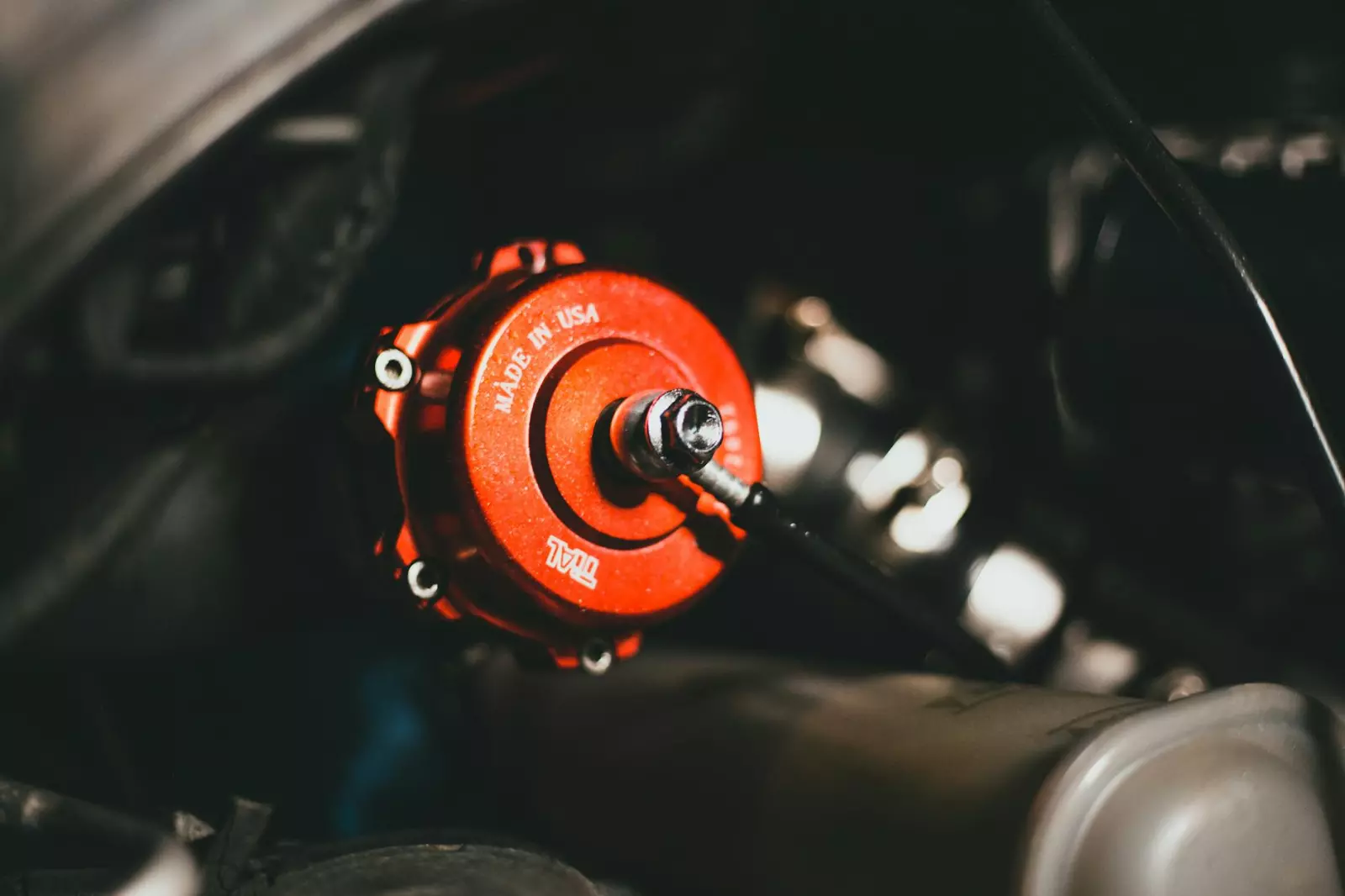
The Exhaust Gas Recirculation (EGR) valve is a critical component in modern internal combustion engines, playing a significant role in reducing nitrogen oxide (NOx) emissions. Its primary function is to redirect a portion of the exhaust gases back into the intake manifold, where it can be mixed with fresh air. This process lowers combustion temperatures and helps minimize harmful emissions. However, like many components in an automotive system, the EGR valve is subject to wear and can fail, leading to various engine performance issues.
In my years of hands-on experience, I have encountered numerous vehicles suffering from EGR valve problems. These issues often manifest in specific ways that can lead to confusion if not properly diagnosed. One of the most common symptoms of a failing EGR valve is a noticeable drop in engine performance. Drivers may report a lack of power during acceleration or a rough idle. These symptoms are often exacerbated under heavy load or during high-speed driving, where the engine demands a more precise air-fuel mixture. In such scenarios, the EGR valve might be stuck open or closed, disrupting the intended airflow and leading to performance degradation.
Another frequent issue associated with EGR valves is the illumination of the Check Engine Light (CEL). This warning can be triggered by various factors, including a malfunctioning EGR valve, which may lead to fault codes stored in the vehicle’s Engine Control Unit (ECU). Codes such as P0401 (EGR flow insufficient) or P0402 (EGR flow excessive) are common indicators of EGR-related problems. While the CEL can be a helpful diagnostic tool, it is essential to recognize that it may also signal deeper issues within the engine, particularly if it is accompanied by other symptoms like increased fuel consumption or poor emissions performance.
Common Failures and Their Causes
Understanding the typical points of failure in EGR valves can provide insight into why these components fail. One prevalent issue is carbon buildup. Over time, the exhaust gases that flow through the EGR system can leave deposits of carbon in the valve and associated plumbing. This buildup can cause the valve to stick, either preventing it from opening when it should or keeping it open when it should close. The extent of carbon buildup can vary significantly based on the engine design, driving conditions, and maintenance practices.
For instance, vehicles that frequently undergo short trips may experience more rapid carbon accumulation due to incomplete combustion and lower operating temperatures. In contrast, long-distance drivers might encounter fewer issues with carbon deposits, although they are not immune to EGR valve failures. Additionally, engines running on lower-quality fuels may produce more soot and deposits, further contributing to EGR valve problems.
Another factor to consider is the design and materials used in the EGR valve itself. Some manufacturers employ plastic components that may not withstand the high temperatures found in the exhaust system, leading to warping or cracking. This can result in vacuum leaks or failures in the valve’s operation. It’s essential to note that not all EGR valves are created equal; some models are more robust and reliable than others, particularly those designed with higher heat resistance.
Real-World Observations on Symptoms
When diagnosing EGR valve issues, it’s crucial to consider the broader context of the vehicle’s performance. For example, an engine that runs rich can create excess soot, leading to quicker build-up in the EGR system. This is particularly common in turbocharged engines that may experience varying boost levels, which can impact how the EGR system operates. An overly rich mixture can also lead to other problems, such as fouled spark plugs and compromised catalytic converter function.
In some cases, drivers might notice that their vehicle performs normally under specific conditions, such as during cold starts or while cruising at steady speeds. However, performance can deteriorate under acceleration or when climbing hills. This inconsistency can be indicative of an EGR valve that is intermittently failing, a situation that can complicate diagnosis. It is not uncommon for technicians to encounter vehicles where the EGR system appears functional during initial testing but fails under load conditions.
Furthermore, the relationship between the EGR system and other engine components can complicate matters. For instance, a malfunctioning EGR valve can lead to increased exhaust temperatures, which may put additional stress on the turbocharger or lead to premature wear on the engine’s pistons and rings. Therefore, a seemingly isolated EGR problem can have cascading effects on the overall health of the engine.
Preventative Measures and Maintenance
Regular maintenance is key to prolonging the life of the EGR valve and preventing associated issues. One effective strategy is to ensure that the engine is running at optimal conditions, including proper air-fuel mixtures and maintaining the correct fuel quality. Routine inspections can help identify signs of carbon buildup before they escalate into more significant problems. Cleaning the EGR valve and associated passages can often restore functionality, especially in vehicles that exhibit symptoms of carbon deposits.
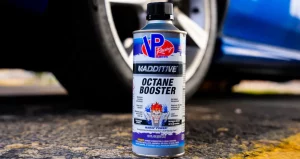
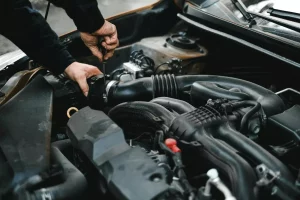
It is also advisable to consider using fuel additives designed to clean the fuel system and reduce carbon buildup. These additives can help mitigate the accumulation of deposits in the EGR system, although they should not be viewed as a complete substitute for regular maintenance. In cases where the EGR valve has completely failed, replacement is often the only viable option. Replacing the EGR valve typically involves removing it from its mounting location, which can sometimes be cumbersome due to its position relative to other engine components.
It is worth noting that while EGR valves are an essential part of emissions control, they are not the sole contributor to engine performance. Other systems, such as the intake air system and fuel delivery components, should also be regularly checked to ensure that they are functioning correctly. Neglecting these systems can lead to compounded issues that may mask or exacerbate EGR problems.
In conclusion, EGR valve issues are a common challenge faced in modern vehicles, often presenting themselves through a range of symptoms that can mislead even the most experienced technicians. Understanding the nuances of how EGR systems operate and the factors that contribute to their failure can aid in effective diagnosis and repair. By maintaining a comprehensive approach to engine health, drivers can mitigate the risks associated with EGR valve failures and ensure their vehicles operate efficiently over the long term.