Coolant leaks can often be a vexing issue for vehicle owners, manifesting in various ways and stemming from numerous sources. In my years of working on different makes and models, I’ve observed that coolant leaks are among the most common problems encountered in both passenger cars and commercial vehicles. The implications of these leaks can range from minor inconveniences to significant mechanical failures if left unaddressed.
Coolant is essential for regulating engine temperature, ensuring that the engine operates within an optimal range. When coolant leaks occur, the engine is at risk of overheating, which can lead to severe damage, including blown head gaskets or warped cylinder heads. Understanding the common sources of these leaks can help in diagnosing and resolving the issue before it escalates.
One of the primary culprits behind coolant leaks is the radiator. Over time, radiators can develop corrosion or physical damage due to road debris or wear and tear. This corrosion can create pinhole leaks, which can be difficult to detect but can gradually lead to significant coolant loss. In my experience, a visual inspection of the radiator can sometimes reveal signs of leakage, such as coolant staining or a white residue around the seams. However, in many cases, the leaks are not immediately visible, leading to a slow but steady loss of coolant.
Common Leak Sources
Another frequent source of coolant leaks is the water pump. This component circulates coolant throughout the engine and radiator. When the seals in the water pump begin to wear out, coolant can escape, often leading to puddles forming under the vehicle. I’ve seen many cases where the first indication of a failing water pump is a noticeable coolant leak during routine maintenance checks.
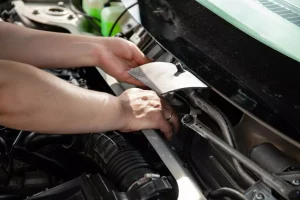
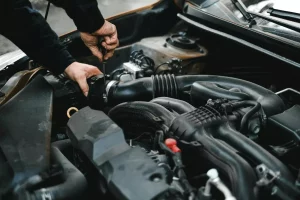
Hoses, especially those that connect the radiator to the engine, are also common failure points. Over time, exposure to heat and pressure can cause these rubber hoses to crack or become brittle. A hose that has seen better days may develop a leak that can result in rapid coolant loss. During inspections, I often recommend checking these hoses for signs of wear, such as bulging or cracking, as this can be a straightforward fix that prevents further issues.
Additionally, the engine’s gaskets, particularly the head gasket, can be a source of leaks. A blown head gasket can lead to coolant entering the combustion chamber, which can be catastrophic for the engine. Symptoms of a blown head gasket can include white smoke from the exhaust or a milky appearance in the engine oil. These signs indicate that the engine is experiencing a more serious problem, often requiring extensive repairs.
Environmental Factors and Their Impact
The environment in which a vehicle operates can significantly impact the longevity of cooling system components. For instance, vehicles driven in harsh conditions – such as those frequently exposed to extreme temperatures or rough terrains – often experience coolant leaks sooner than those driven in more moderate climates. Heat can exacerbate wear on hoses and gaskets, leading to earlier failure. Similarly, vehicles that frequently tow heavy loads may place additional strain on the cooling system, leading to leaks over time.
It’s also worth noting that coolant quality plays a role in the integrity of the cooling system. Using the wrong type of coolant or failing to change it at recommended intervals can lead to corrosion and buildup within the system, which can contribute to leaks. In my experience, I have found that many vehicle owners overlook the importance of using the manufacturer-recommended coolant, which can lead to unforeseen issues down the line.
Detecting Coolant Leaks
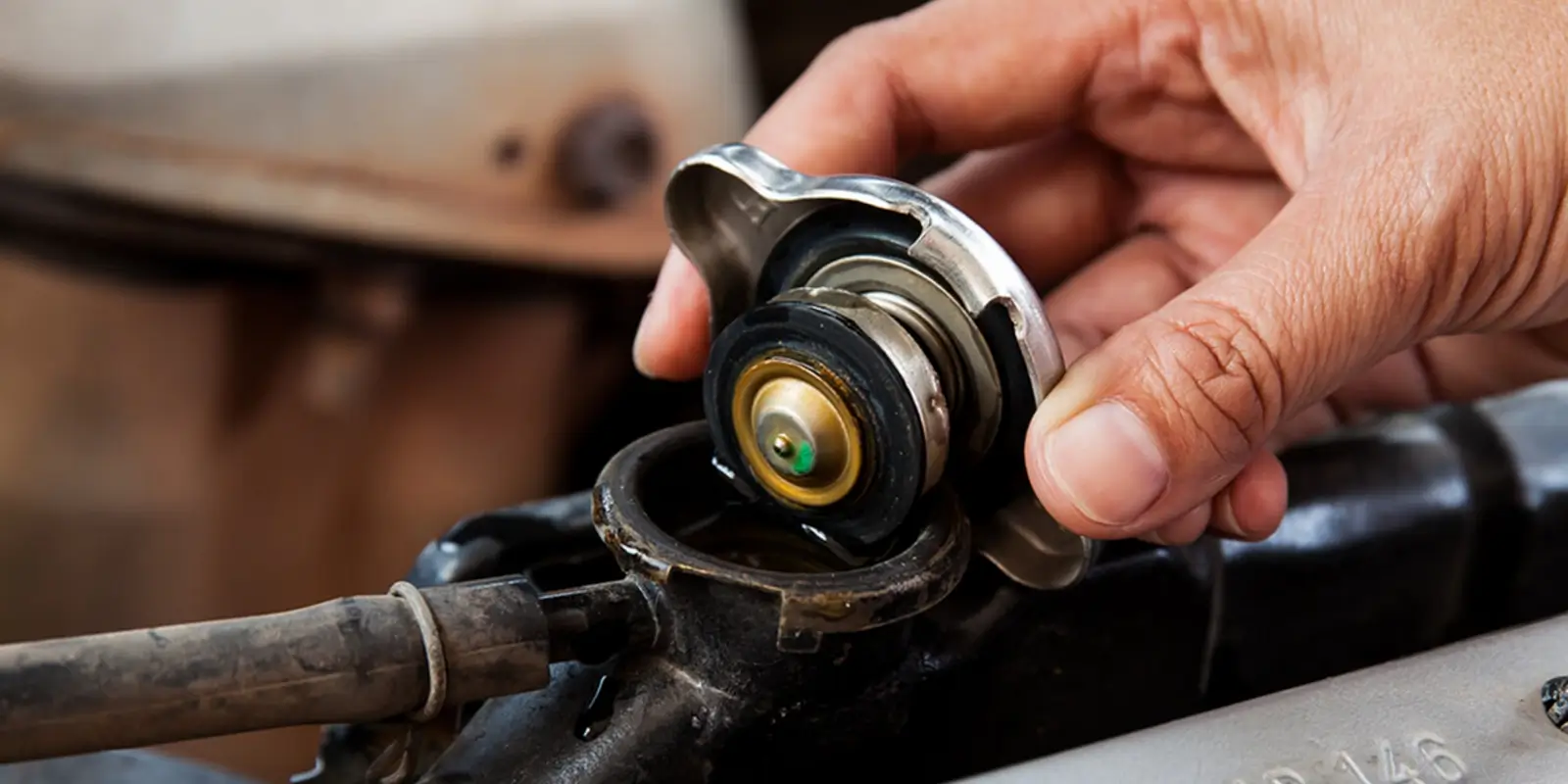
Detecting coolant leaks can sometimes be straightforward, but in many cases, it requires a thorough investigation. One effective method I have found is to use a pressure tester on the cooling system. This device can pressurize the system and help identify leaks that might not be apparent during a visual inspection. Additionally, observing the ground where the vehicle is parked can provide clues; coolant typically has a sweet smell and can appear green, orange, or pink, depending on the type used.
Sometimes, coolant leaks are not easily identifiable until the engine reaches operating temperature. This is because some leaks may only manifest under pressure. Therefore, it can be useful to monitor coolant levels over time and check for any drop in the reservoir. A drop in coolant levels, accompanied by overheating or steam from the engine, should be addressed immediately.
Addressing the Issue
Once a leak is identified, the next step is to assess the severity and determine the appropriate course of action. Minor leaks, such as those from hoses, can often be resolved by replacing the affected component. In contrast, leaks from the radiator or water pump may require more extensive work, including a full system flush or replacement of the entire unit. Gasket failures, particularly those involving the head gasket, can be more complex and may necessitate professional intervention.
In some instances, temporary fixes, such as using a coolant sealant, can provide a short-term solution. However, relying on these fixes for an extended period is not advisable, as they can mask underlying issues that may lead to more significant problems later. In my experience, it is always better to address the root cause of the leak rather than rely on a band-aid solution.
One aspect often overlooked is the importance of routine maintenance. Regular inspections of the cooling system can catch potential issues before they become problematic. This includes checking coolant levels, inspecting hoses and connections, and flushing the system at recommended intervals. A proactive approach can save time, money, and the hassle of dealing with overheating or engine damage.
Coolant leaks are a common issue that can arise in any vehicle, regardless of age or make. The key is to remain vigilant and address leaks promptly to avoid more severe consequences. As I have seen throughout my career, understanding the common sources of these leaks and being aware of the symptoms can significantly impact the longevity and reliability of a vehicle’s cooling system. After all, a well-maintained cooling system is essential for the overall health of the engine.