In the realm of automotive maintenance, the air filter is often an overlooked component, yet it plays a critical role in engine performance. From my years of working under the hoods of various vehicles, I’ve seen firsthand how a clogged or dirty air filter can lead to a cascade of issues, impacting everything from fuel efficiency to engine responsiveness.
Most drivers assume that as long as the vehicle is running, everything is fine. However, the air filter’s condition can deteriorate quietly over time. Dust, pollen, and other particulates accumulate, especially in urban environments or during seasons of heavy pollen. This gradual buildup can restrict airflow, leading to poorer combustion and reduced engine power. In extreme cases, I’ve encountered vehicles that had their performance noticeably restored after simply replacing a neglected air filter.
Symptoms of a Clogged Air Filter
In my experience, symptoms of a failing air filter can manifest in various ways. A common issue is decreased acceleration. Drivers may notice that their vehicles struggle to pick up speed, particularly during rapid acceleration. This is often due to insufficient air entering the engine, which disrupts the optimal air-fuel mixture necessary for effective combustion.
Another indicator is a drop in fuel efficiency. When the engine compensates for the lack of air by drawing more fuel, it can lead to noticeable increases in fuel consumption. In some cases, the vehicle’s onboard diagnostics will trigger a check engine light, but this may not always happen, leaving drivers unaware of the issue until performance degrades significantly.
Real-World Replacement Observations
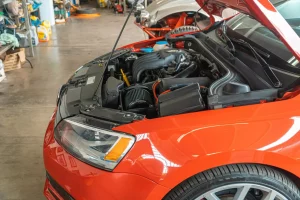
When replacing an air filter, I’ve noted that accessibility can vary dramatically between vehicle models. Some manufacturers design their engine bays with ease of access in mind, while others seem to complicate what should be a straightforward task. In cramped engine compartments, I’ve sometimes had to remove other components just to reach the filter. This not only adds time to the job but can also lead to the risk of damaging adjacent parts if one is not careful.
It’s also worth mentioning that the quality of replacement filters can differ. While many opt for generic filters to save costs, I’ve seen instances where inferior filters do not seal properly, allowing unfiltered air to enter the engine. This can exacerbate wear on engine components over time. Using a manufacturer-recommended filter often pays off in the long run, as it tends to fit better and maintain proper airflow.
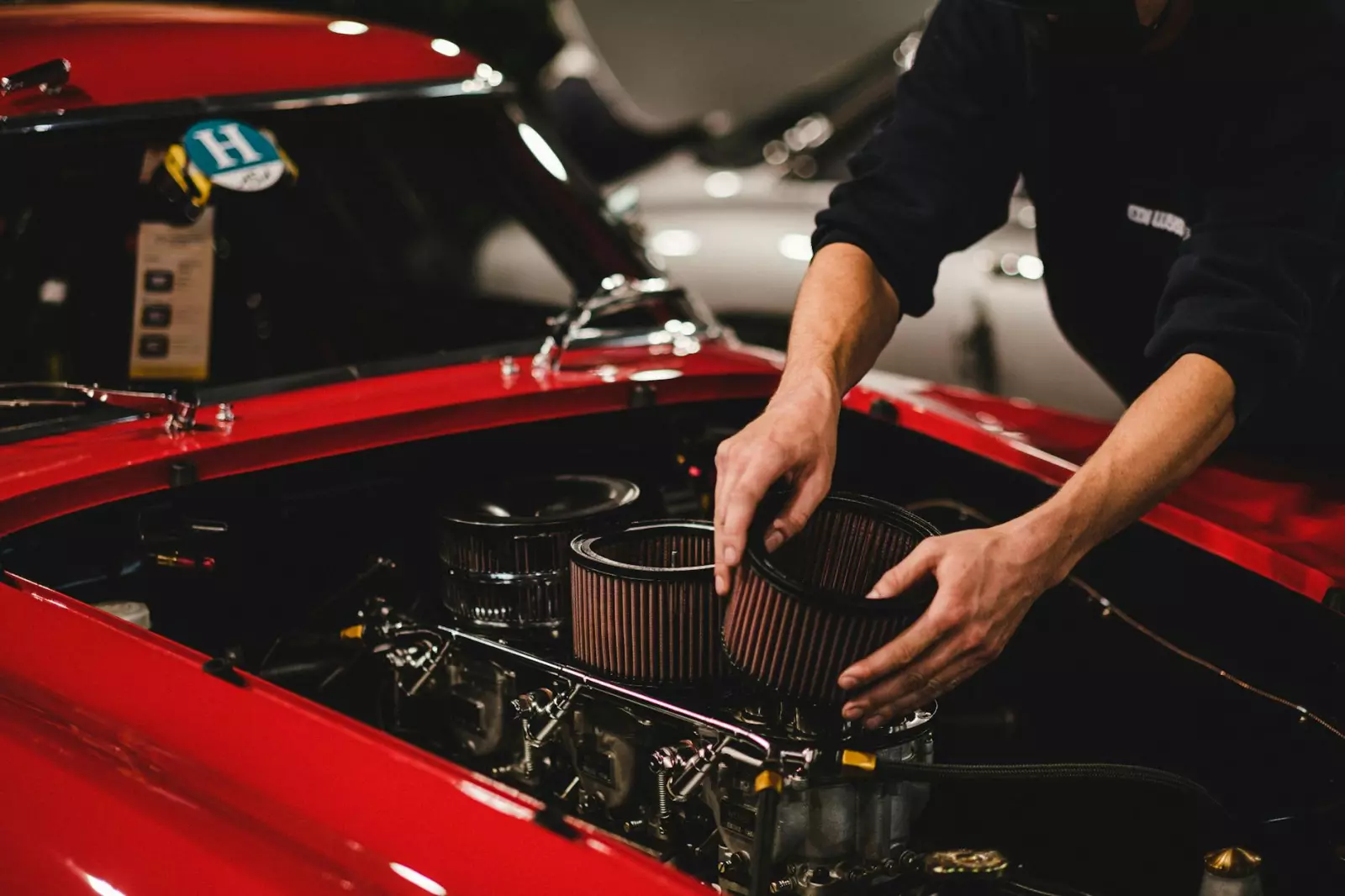
In high-performance vehicles, the air filter’s role becomes even more critical. Performance engines often have tighter tolerances and demand a precise air-fuel mixture. A slightly compromised air filter can lead to performance issues that are more pronounced than in standard vehicles. I’ve seen racing teams meticulously monitor air filter conditions, replacing them more frequently to ensure optimal performance during races.
In summary, while changing the air filter may appear to be a minor maintenance task, its implications are far-reaching. Regular checks and timely replacements can prevent a host of issues down the line. It’s a small investment that can yield significant returns in vehicle efficiency and longevity.