In the realm of automotive maintenance, brake systems often emerge as a focal point of concern. From my years of experience, I’ve seen a wide array of brake-related issues that can arise in passenger cars, trucks, and commercial vehicles. These problems can stem from a variety of factors, including wear, environmental conditions, and the quality of components used.
One of the most common issues I encounter is brake fade, particularly in vehicles subjected to heavy loads or frequent stop-and-go driving. This phenomenon occurs when the brake components overheat due to prolonged use, leading to a temporary loss of braking effectiveness. It’s often exacerbated by the vehicle’s weight and the ambient temperature, especially during hot summer months. Drivers may notice a spongy pedal feel or a longer stopping distance. While this can sometimes be a normal response to heavy braking, consistent fade can indicate that the brake fluid is boiling or that the pads and rotors are nearing the end of their service life.
Wear Patterns and Their Implications
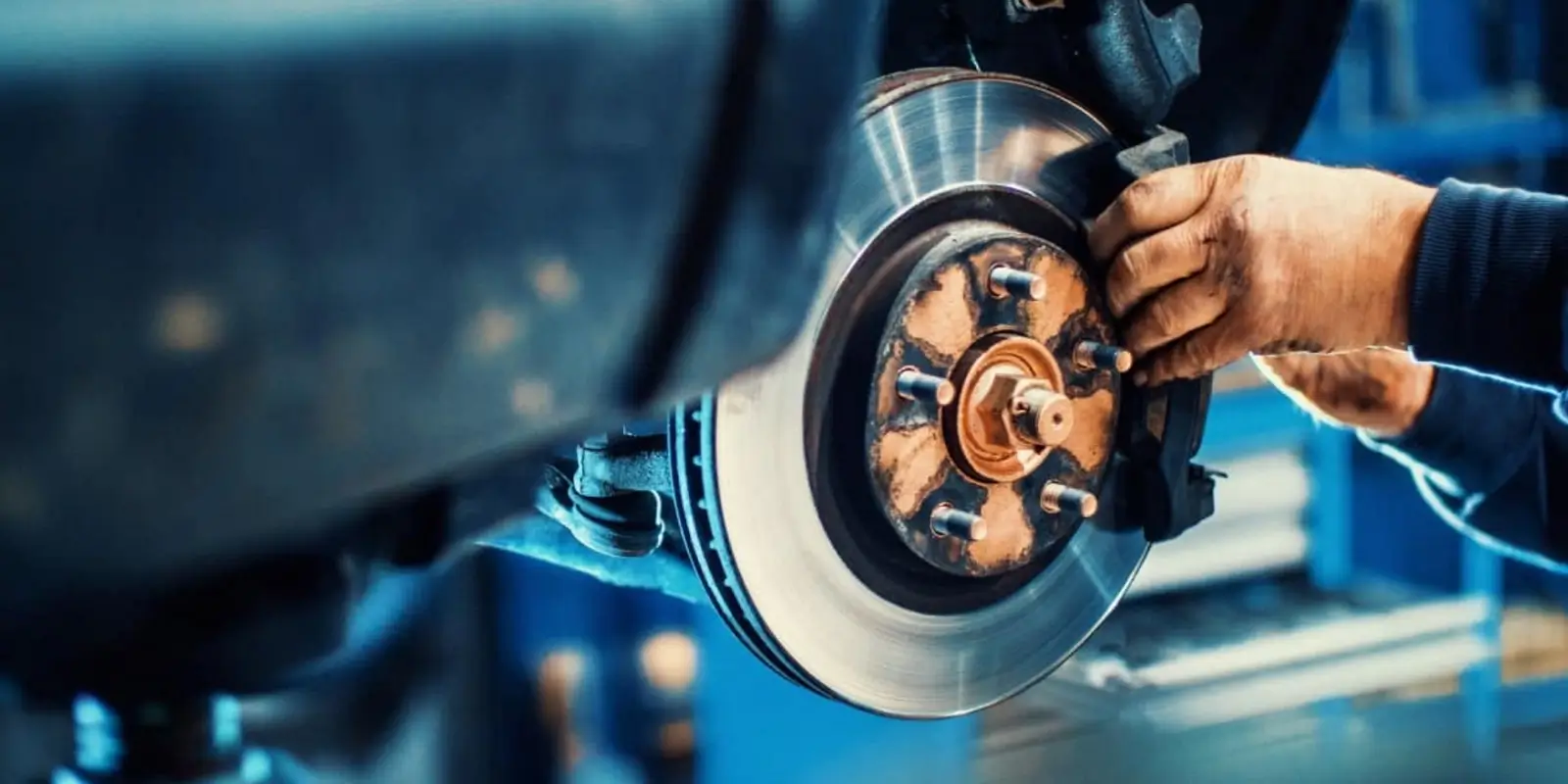
Brake pad wear is another issue that frequently surfaces. In my experience, the front brakes tend to wear out faster than the rear due to the weight distribution during braking. It’s not uncommon to see a vehicle with significantly worn front pads while the rear pads are still in good condition. This discrepancy can lead to uneven braking performance, which may cause the vehicle to pull to one side. Regular inspections often reveal that drivers overlook the rear brakes, assuming they require less attention.
Moreover, environmental factors can play a significant role in brake wear. Exposure to moisture, road salt, and debris can accelerate corrosion on brake components, particularly in regions with harsh winters. I’ve seen calipers seize due to rust buildup, leading to uneven pad wear and diminished braking performance. In some cases, drivers may not realize there’s a problem until they hear grinding noises or feel vibrations during braking.
Fluid Quality and Its Effects
The quality of brake fluid is another critical aspect that often goes unnoticed. Brake fluid absorbs moisture over time, which can lower its boiling point and lead to brake fade. I’ve encountered vehicles with contaminated fluid, resulting in reduced braking efficiency. Routine fluid changes are essential but tend to be overlooked during standard maintenance checks.
It’s essential to recognize that not all brake symptoms are indicative of immediate danger. For instance, a slight squeaking noise may simply suggest that the pads are approaching their wear indicators, while a grinding noise typically signals that the pads have worn down to the backing plate, requiring urgent attention. Understanding these nuances can help drivers gauge the severity of their brake issues.
In the end, brake systems are a complex interplay of components, each susceptible to unique stresses and wear patterns. A proactive approach to maintenance, including regular inspections and addressing symptoms early, can significantly enhance vehicle safety and performance. Observing how different factors affect brake systems can provide valuable insights into the overall health of a vehicle.